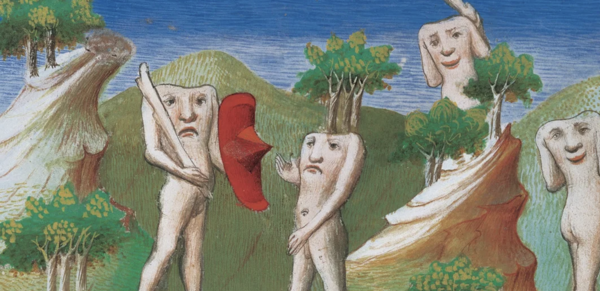
Images can acquire new meanings as the temporal context changes.
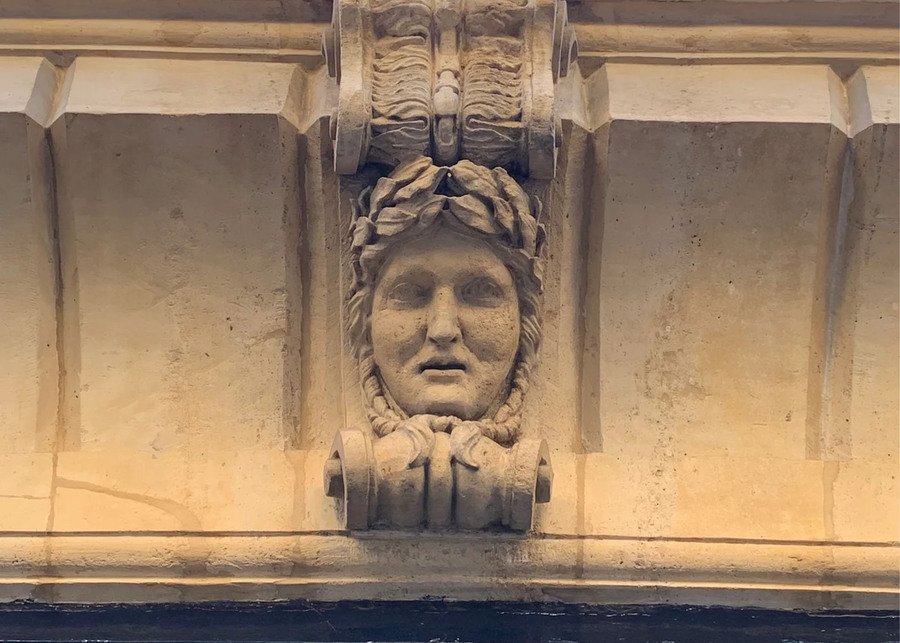
Paris, Île-de-France, France
Concept
This visual exploration examines the theme of image adaptability, using the phenomenon of «green people» as an example.
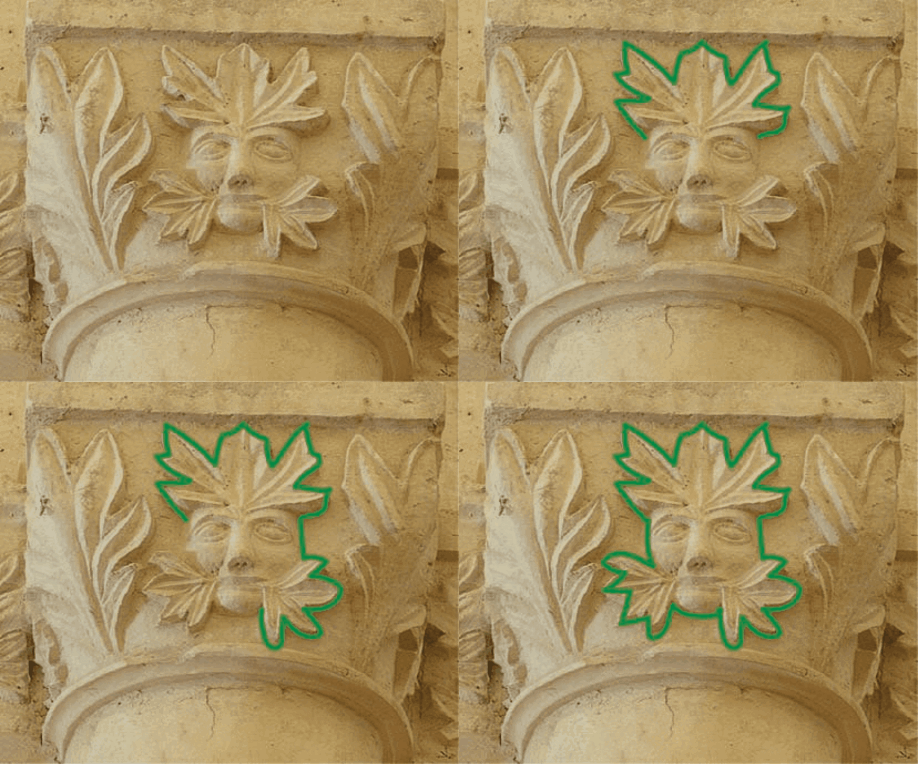
At the outset of this work, it is necessary to define the term «green man.» This phrase refers to a face surrounded by leaves or a face from which various plants sprout. This phrase was first used in a 1939 article in «Folklore, ” written by folklorist Lady Julia Regland. The term has become classic and standard; it is deeply embedded in culture and has taken hold (previously, „green men“ were simply called leafy heads or leafy masks, which also had their own reasons, which I will discuss later).
However, the author of this article was later criticized for linking figures from vastly different cultural epochs by uniting them through common roots. Whether her statement was mistaken remains unclear to this day. Some researchers argue that Christians were inspired by pagans, incorporating the image into their culture to smooth the transition between religions. Other researchers are convinced that the Christian statues of faces were inspired exclusively by indigenous Christian legends, with any connection to pagan art being merely visual resemblance without any underlying conceptual foundation.
Despite differing opinions among folklore scholars, I am specifically interested in the visual similarity—that is the focus of my research and my visual work. It was important for me to study how leaf-like faces originated in pagan culture and how this same image, with similar elements, appeared in Christianity, and how curiously it integrated organically without seeming foreign.
The goal of my work is to demonstrate that similar elements appear in art across different eras and in completely diverse cultural contexts. An image is not tethered to a specific period in art history; it can adapt to new circumstances, acquiring new meanings.
Brooklyn, New York
The material was selected based on other research exploring the theme of «green people, ” as well as on visual similarities I discovered. I became interested in the topic after stumbling upon a photograph of a medieval leafy-faced sculpture. It immediately caught my eye—it seemed mysterious and enigmatic—and I decided to study the subject. As I immersed myself in the research, my interest grew deeper. What surprised me most was the temporal and cultural range among the artifacts depicting the image I was studying.
Pagan Beginnings
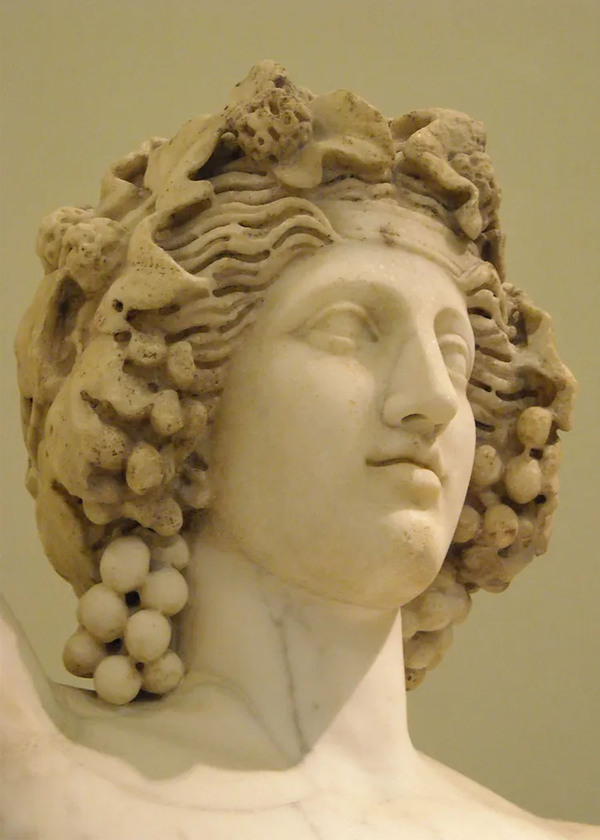
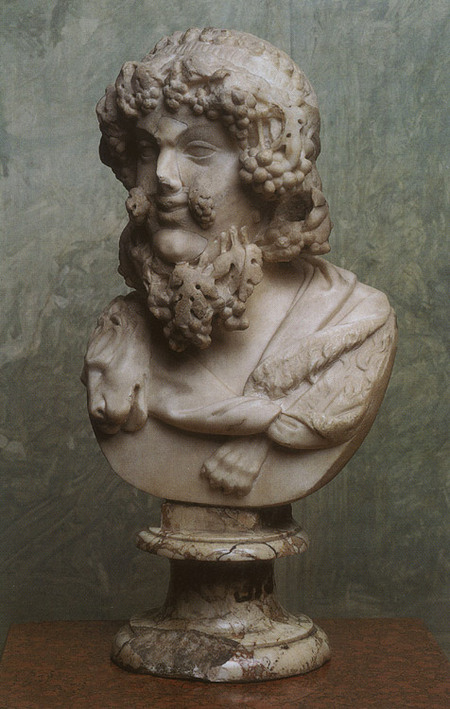
1. Statue of Dionysus. 2nd century. Adaptation of the 4th-century BCE original. Naples, Archaeological Museum 2. Dionysus. 1st century AD. St. Petersburg, State Hermitage Museum
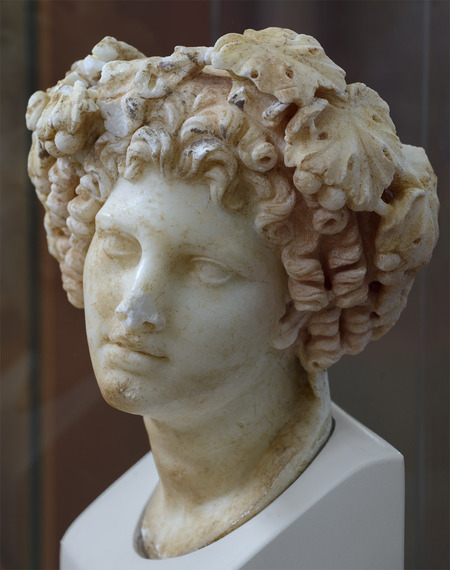
The image of a face surrounded by leaves traces back to antiquity. During the 7th–8th centuries CE in Greece, the cult of Dionysus—the god of the earth’s fertile power and winemaking—was widely practiced. Dionysus was depicted as a man whose hair contained leaves. Dionysus was also the god of theatre, which likely led to the origin of the term «leaf mask.»
When studying «Green Men,» one should pay attention to an image on one of the treasures from Maidenhold. If you look at the very center of the dish, you can see a face whose beard is made of leaves. However, if you examine the artifact more closely, it becomes clear that the depicted face is not related to the spirit of fertility, because the dish features elements associated with the sea. It more closely personifies the water element.
The context is set not only by the image itself but by what surrounds it.
Large platter of «Mildenhall treasures.» 4th century. London, British Museum
2. The Popularity of the Image in Christian Society
In the 14th century, the «green man» begins to actively permeate various spheres of art, from marginalia to mosaics.
Dutch Clock. 14th Century. New York, Morgan Library & Museum
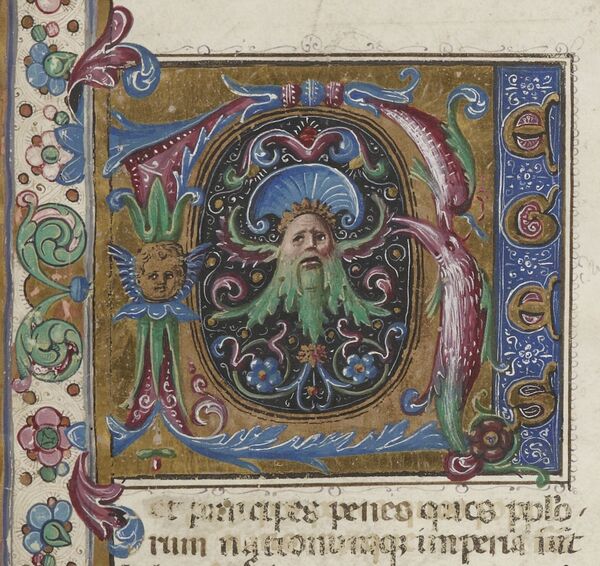
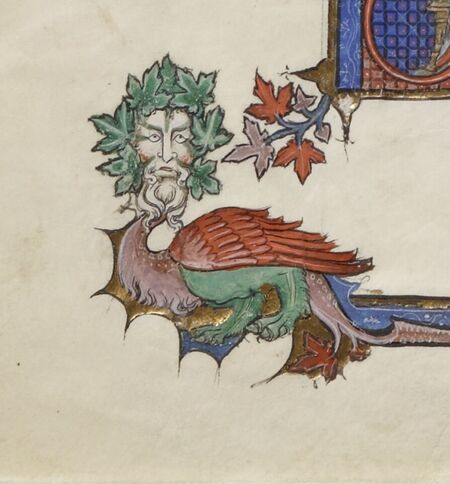
1. Leonardo Nogarola, «Treatise on Monde.» 15th century. Rouen, Municipal Library. 2. Latin Bible. 14th century. Paris, Arsenal Library.
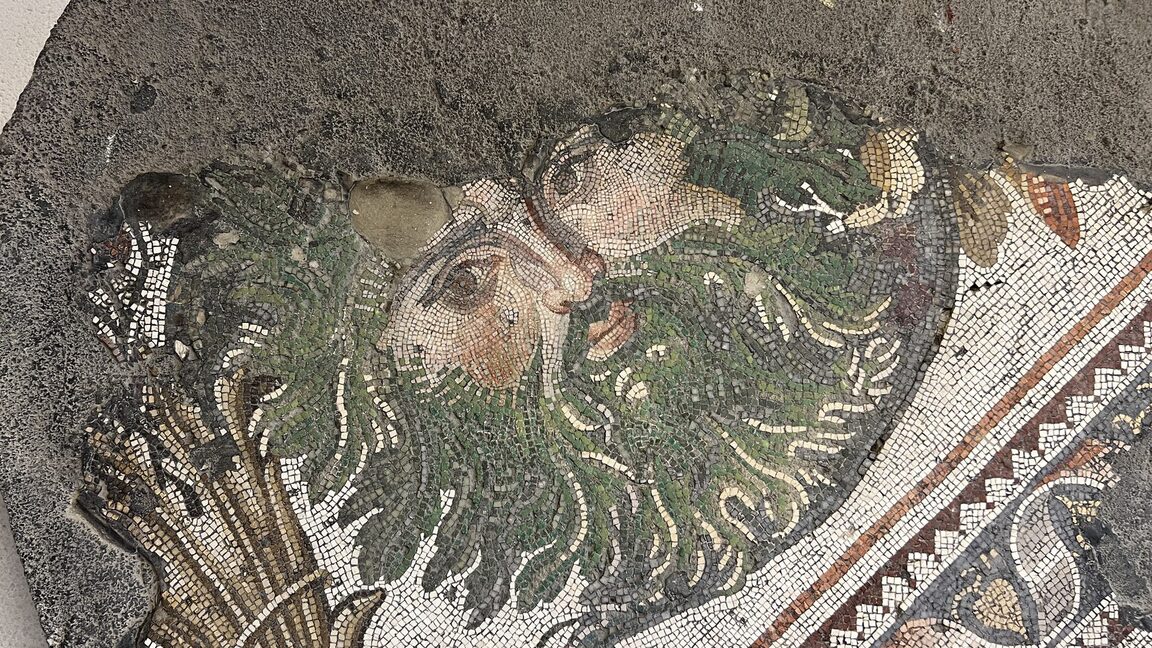
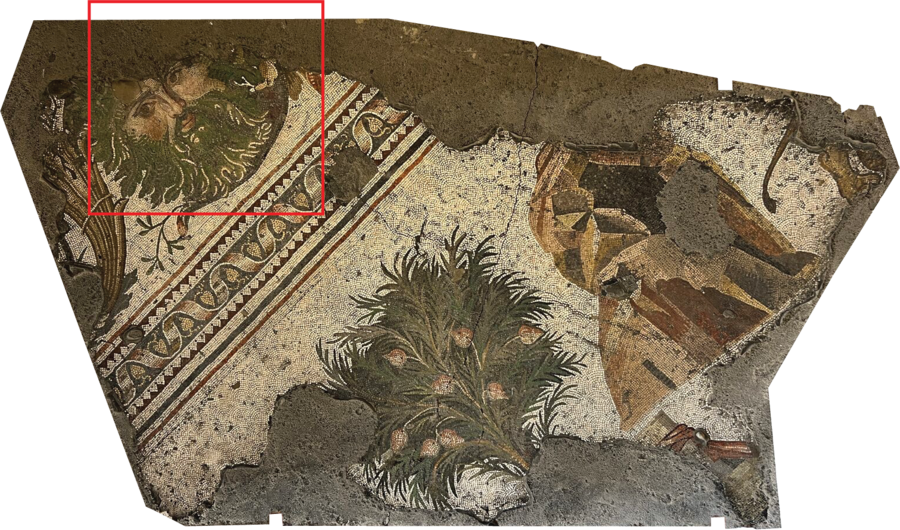
Mosaic from the Great Palace. ~ 5th century. Istanbul, Museum of Mosaic of the Great Palace
However, the image of the «green man» gained the greatest popularity among sculptors who adorned cathedrals and churches.
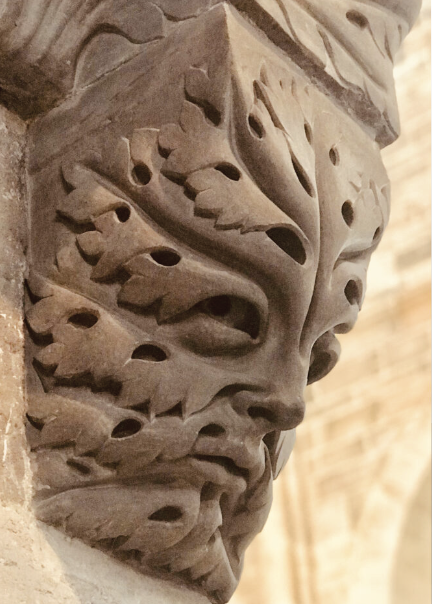
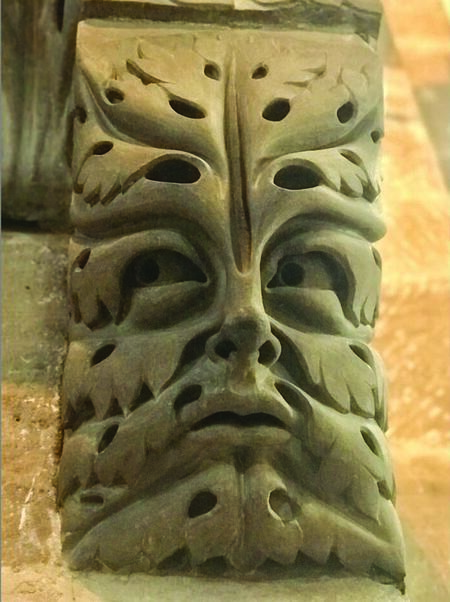
Stone Bracket. 12th Century. Bamberg Cathedral.
Foliated heads became one of the classic elements of European architectural decoration. They began appearing in the 12th century, and the 14th century marked the peak of their popularity among sculptors.
14th Century Sculptures on European Structures
This section is the most compelling and crucial part of this research.
Here, it is most evident how the leafy head acquires a new context; the connection to predecessors is now predominantly visual.
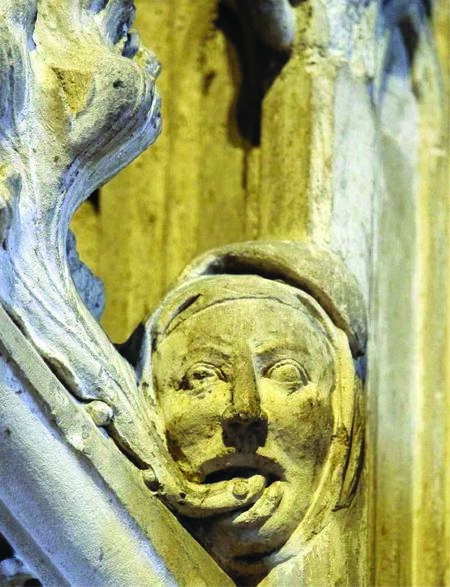
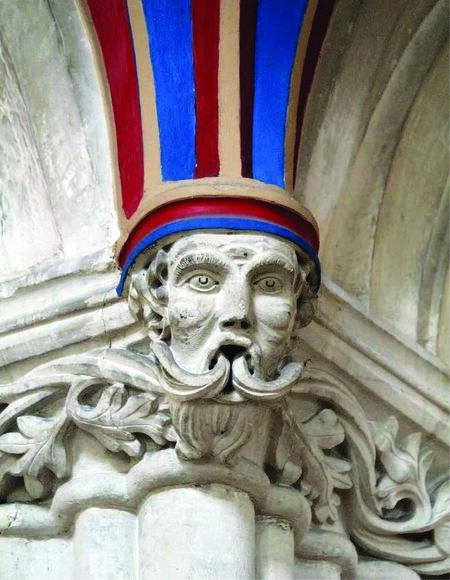
1. Stone carving. 14th century. Winchester, Winchester Cathedral 2. Stone corbel, partially restored with paint. 14th century. Devon, Mary Church
Legend says that before his death, Adam sent his son Cain to the gates of Eden, where he received the seeds of the Tree of Knowledge of Good and Evil from the archangel Michael. Cain placed the seeds in Adam’s mouth, after which trees sprouted directly from his skull, which then merged into a single tree—the cross.