Concept
The history of the Annabelle doll and how it became a famous object surrounded by mystical tales and legends has always fascinated me. The perception of the doll is influenced not only by its appearance but also by its setting, the window display’s design, cautionary signage, and visitor information. I found this an interesting topic for research, so I decided to dedicate my work to museum exhibit design, using the Annabelle doll as a case study.
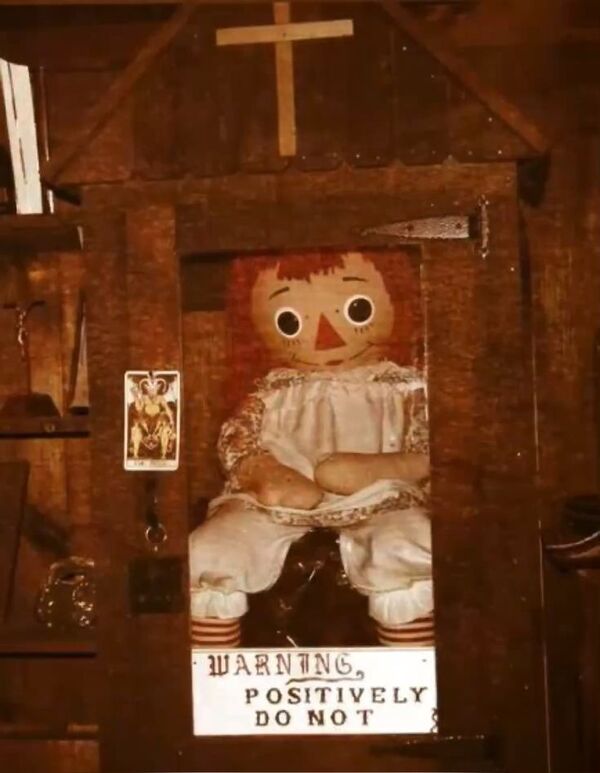
This research investigates how the history of an object and its presentation influence a viewer’s perception of it. The work will focus on a real cloth doll named Annabelle, which is connected to the collection of Ed and Lorraine Warren and gained notoriety through stories of alleged paranormal activity associated with the doll, as well as famous films made in its honor. It is crucial to acknowledge that there is a difference between the real Annabelle and the narrative constructed by its owners, versus its artistic portrayal in cinema.At the outset of the study, we will revisit the history of Annabelle: its origins, the Warrens' involvement, and the circumstances that led to its fame. This context will help us understand how an ordinary object can acquire profound significance and become part of a private collection. Another area we will examine is the history of collecting and how objects have been exhibited in museums—from early cabinets of curiosities to contemporary institutions. We will also focus on the evolution of museum displays, studying how the methods of preserving and presenting objects have changed over time.The core of the study will examine how the Annabelle doll is preserved. This includes its display case, placement, lighting, background, and any warning signage. These elements serve not only to protect the object but also to shape how visitors perceive it. By analyzing photographs of the exhibition, we can understand how the staging highlights the doll and sets it apart from its ordinary surroundings.
In this study, we will also compare the visuals of Annabelle—how she appeared in reality versus how she is portrayed in cinema. The real Annabelle is a rag doll, which differs significantly from the porcelain dolls shown in the films. This comparison will demonstrate how the actual image of a specific object can be distorted by myths and narratives created by mass culture. We will examine which aspects of the doll’s description are linked to Annabelle’s history, which are based on the accounts of her real owners, and which were invented for artistic works.
In the concluding section, we will summarize the role of each factor in shaping the perception of an object: the display case, the lighting, the background, the labels, surrounding items, and the viewer’s prior knowledge of the object. Thus, the objective of this research is to show that the process of exhibiting an object in a museum is not simply placing it under glass, but rather a method of narrating its story and forming its image. Annabelle serves as a perfect example of how an ordinary toy can transform into a renowned cultural object through the confluence of history, presentation, and mass cultural attention.
The principle of structuring the research is based on several core areas:
- Concept
- History of Collecting
- Characteristics of the Annabelle Exhibition
- Formation of the Doll’s Image
- The Impact of Exhibition on Perception
- Conclusion
Section 1. History of Collecting
From Private Collections to Museums
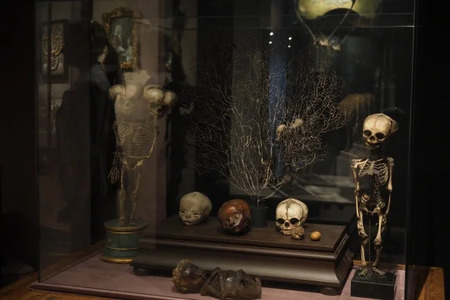
The initial collections were formed from rare, unusual, and valuable items gathered by private owners. Over time, these collections began to open to the public and transform into museums. The objects started not just being stored, but being thoughtfully displayed to tell their history and significance.
Museum display case introduction
With the evolution of museums, the display case has become an important part of the exhibition. It allows objects to be protected from external influences, set them apart from other items, and direct the visitor’s attention. Lighting, background, placement, and labels help shape a specific impression of the object.
These features of the museum display are particularly noticeable in Annabelle’s example, whose showcase not only protects the doll but also becomes part of its mysterious persona.
Section 2. Features of the Annabelle Exhibition
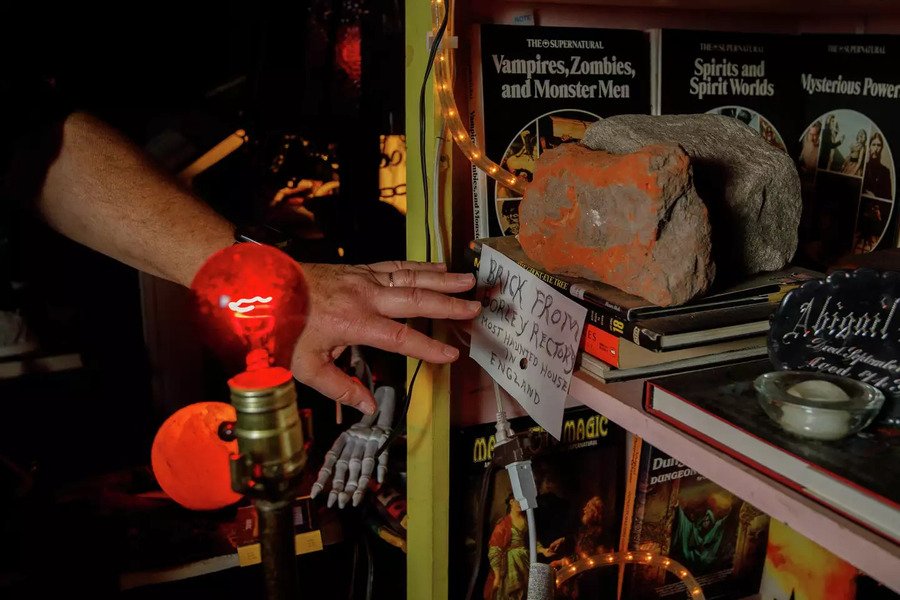
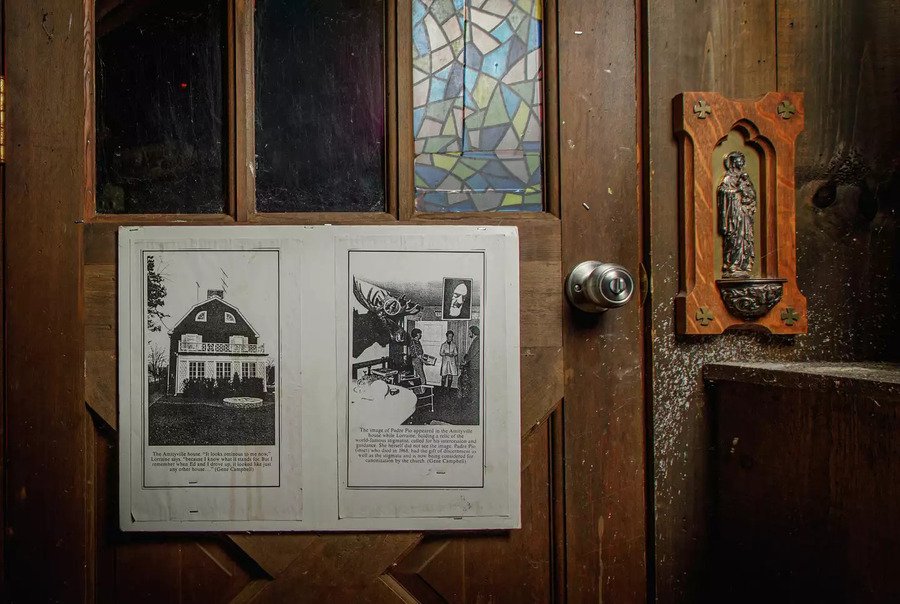
The doll was housed in the Warren Occult Museum in Monroe, Connecticut, USA. It was part of a private collection featuring items connected to alleged paranormal phenomena.The museum subsequently closed to the public, making photographs of the former exhibition particularly vital for studying how Annabelle was presented to the public.
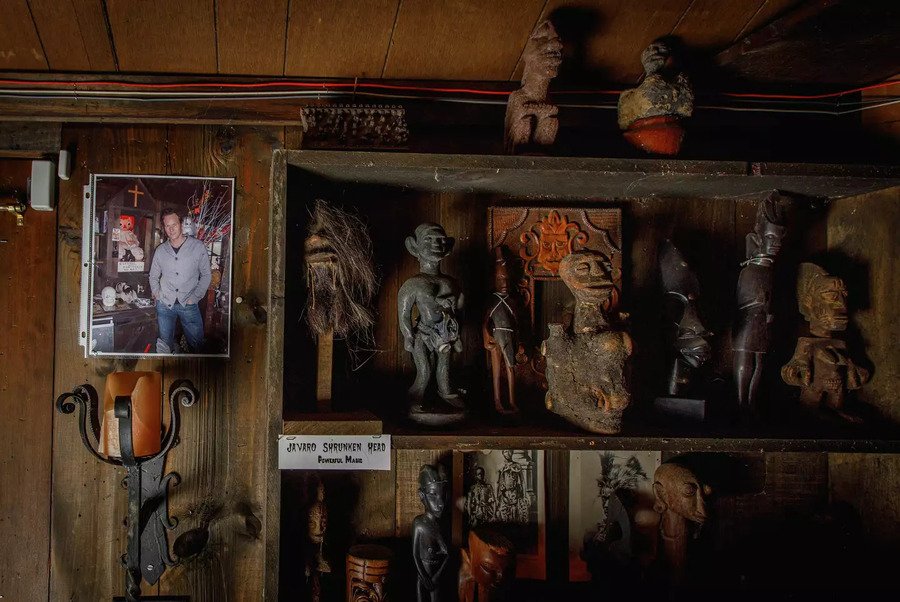
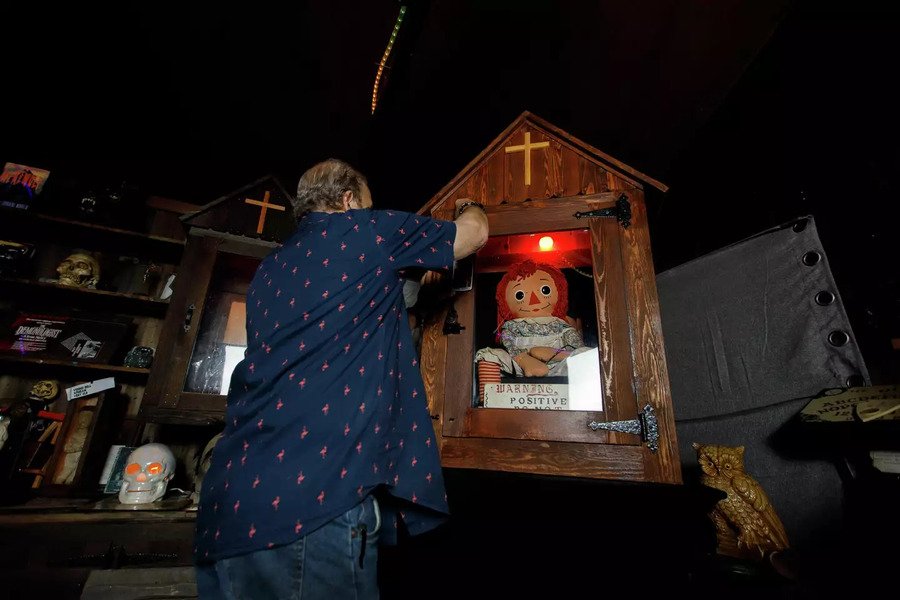

Inside the Warrens' Occult Museum