Table of contents: - Communication theory in design field - Brand presentation for a wider audience - Brand presentation for a professional audience - Explanation of communication theory usage in the brand presentations - Bibliography and image sources
Communication theory in design field
During the course of communication theory we learned that communication is a phenomenon, which meaning is formed through the process of interpretation rather than being transmitted directly. In the field of brand design, communication theory translates into daily brand and identity work in various forms—from strategy and messaging to visuals and interaction with the audience.
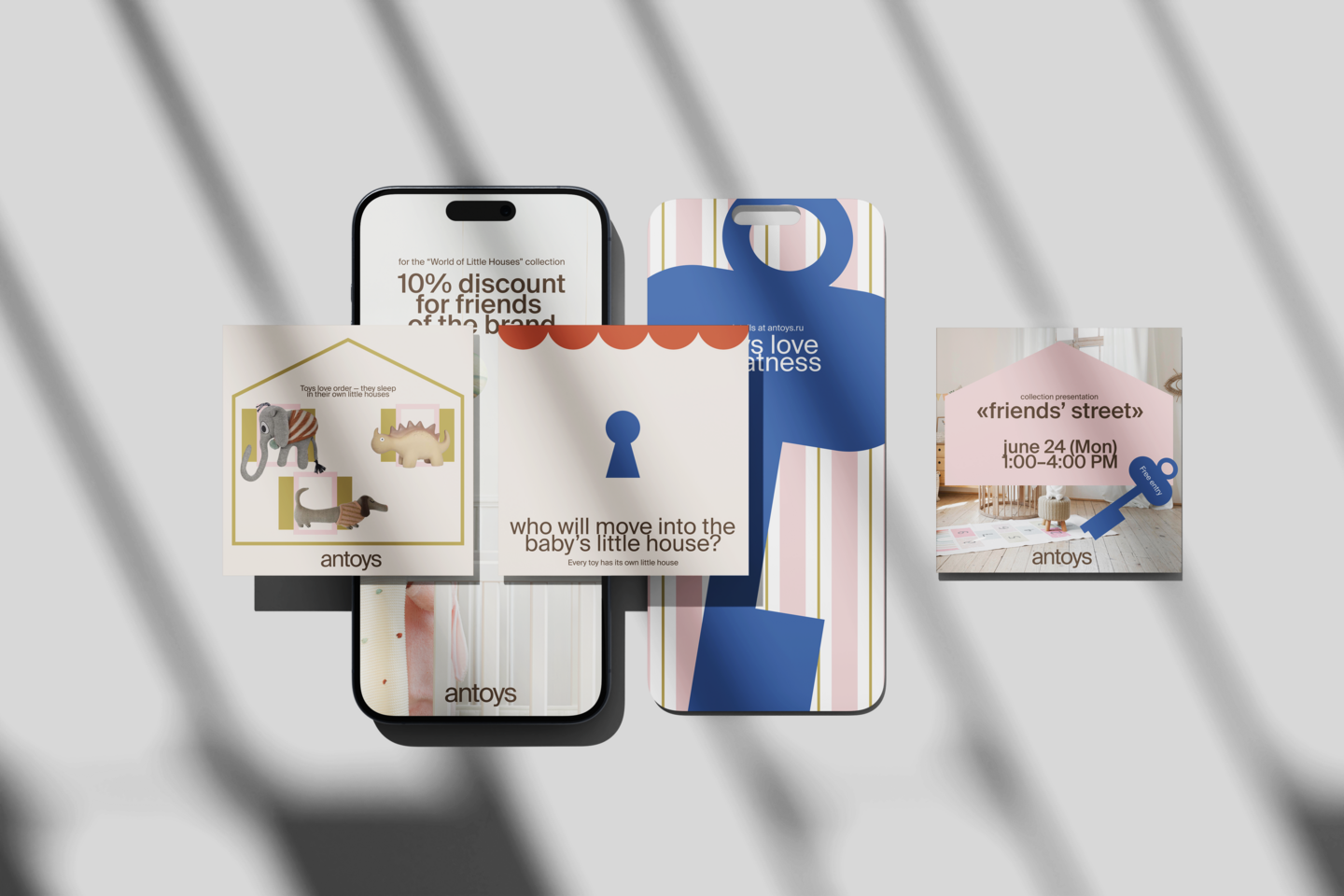
Semiotic theory is expressed in the brand visual language. Logos, colors, typefaces, and motion design act as signs that carry core meaning across contexts. Semiotic theory is applied in building a consistent brand system that persuades the audience through coherent brand story and narratives.
Rhetoric theory helps arrange the messaging hierarchy. Ethos represents credibility cues in grids, craft, typographic rigor and testimonials. Pathos goes for imagery, tone, and motion to prime emotion. Logos is used in structured information design, data visuals, and evidence blocks.
Elaboration Likelihood Model (ELM) covers the demand for various forms of social proof, such as authority badges, scarcity hints, celebrity cues for quick scans. Theory of Planned Behavior and social identity is used to directly affect conversion rates. It may come in forms of shifting public opinios with slogans, benefits, building desirable expectations to bring in more loyal customers. It also fosters a sense of belonging to an exclusive community via customers-only symbols, recognizable colors and membership artifacts.
When it comes to professional relations in the design industry, group communication and leadership concepts promotes co‑creation and workshops among designers. During the initial design workflow, use of facilitation patterns that avoid groupthink and surface divergent options help support a healthy and efficient creation process. It results in optimized design tasks, such as multiple concept routes, red‑team critiques, and refined decision logs.
Every design system is shaped by use. Politeness/facework concepts share a place in brand voice and support overall user experience. It can be traced in brand policy messages, apologies and recovery patterns, or, in other words, brand strategy of dealing with conflict and preserving reputation. The politeness in conflict solving heavily intertwines with social exchange, independence and equity theories, which state that people stay when perceived rewards exceed costs and feel fair. Brand visuals state clear give-get terms to define what can a customer can anticipate from the bargain.
Brand presentation for a wider audience
Tired of toys that quickly lose their meaning and end up scattered around the house? Want playtime to feel warm, meaningful, and imaginative rather than chaotic?
Antoys is a brand of educational toys that turns play into a caring ritual. Each toy is created not only to teach and entertain, but to become part of a child’s small, safe world. Antoys believes that every toy deserves its own home — a place where it lives, rests, and becomes part of everyday stories.
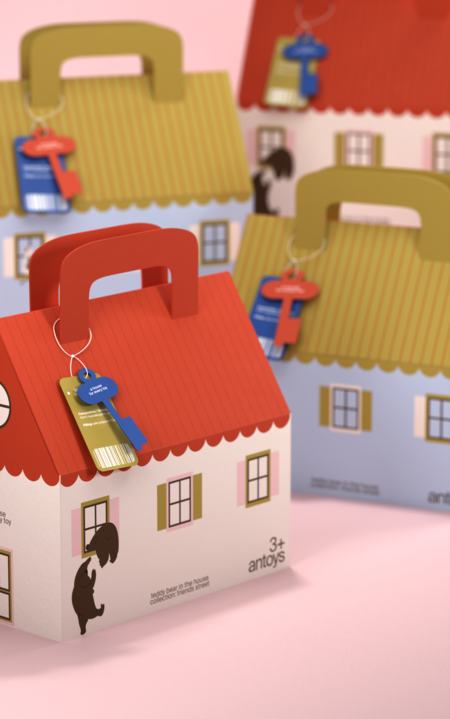
The brand’s signature house-shaped packaging transforms toys into little characters with their own space and personality. Opening an Antoys toy feels like entering a tiny home, complete with soft colors and interior patterns that resemble real rooms. This approach invites children to imagine, care, and create stories, while gently teaching order and emotional responsibility.
Antoys combines functionality with emotional design. Natural materials and safe finishes provide durability and peace of mind for parents, while warm color palettes and playful forms create a sense of comfort and aesthetic harmony. The brand speaks to conscious parents who value thoughtful development, imagination, and emotional connection over fast consumption.
Antoys is created for families who see toys as more than objects. It is for those who believe that play can nurture empathy, creativity, and a sense of belonging. Whether it’s a quiet moment at home, a shared playtime, or a bedtime ritual, Antoys toys become part of a child’s emotional environment — a place where care, play, and imagination live together.
Brand presentation for a professional audience
Antoys is a brand of children’s educational toys aimed at conscious parents who strive for the harmonious and aesthetic development of their children. The brand’s mission is not only to offer high—quality and safe products made from natural materials (wood, firth), but also to create an education system that supports the intellectual and emotional growth of the child.
The first type of the target audience is conscious parents aged 25-40, mostly urban residents with higher education, who are interested in the harmonious development of their children and choose toys not only for entertainment, but also for learning. The second type is legal entities: kindergartens, development centers, and small toy stores focused on high-quality and modern educational products.
The brand identity of Antoys is a coherent semiotic system of illustrations, colors, patterns and toy forms telling the audience an expressive brand story. The brand identity is using toys as a medium to translate an image of happy childhood into consistent visuals and a clear message to the audience.