How communication theory works in the field of design
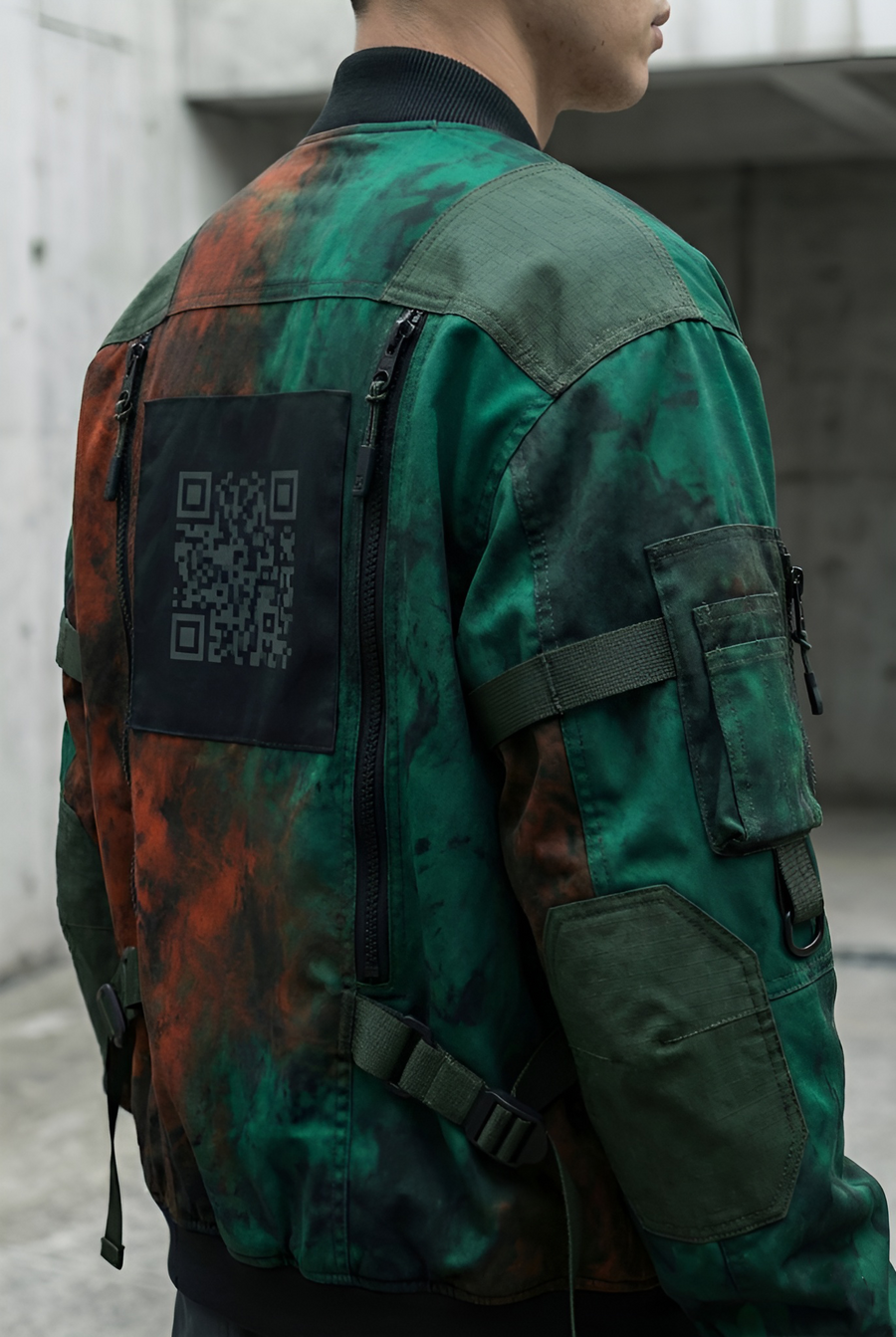
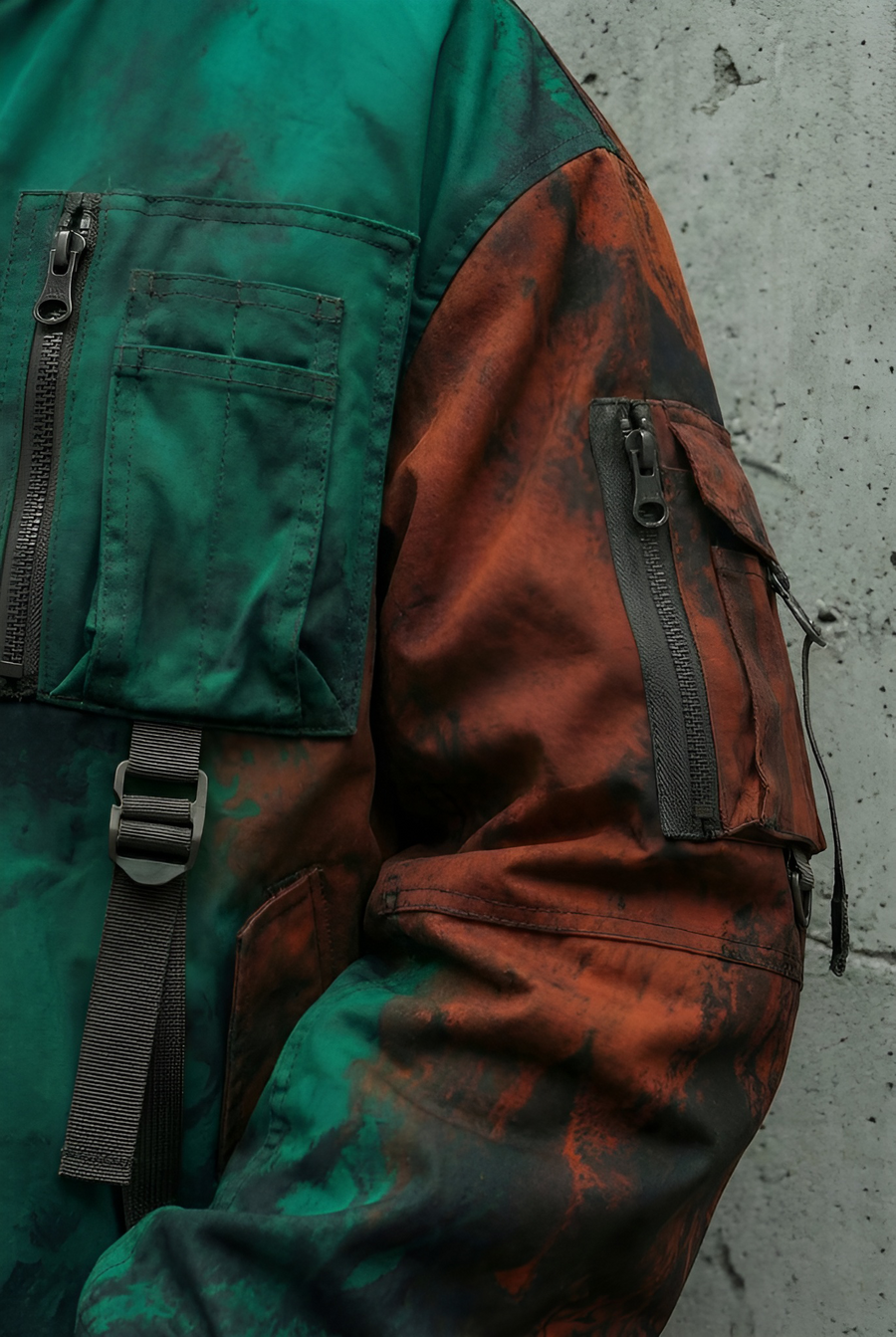
A raw, detailed photograph from a rear-side angle of the techwear bomber jacket from image. Focus on the shoulder, complex sleeve pocket, and the back. The high-function thermochromic… [promt]
As classics of communication theory note, humans exchange messages and symbols to create shared environments. In design, this turns into creating objects that go beyond aesthetics — they become tools for conveying important ideas, such as environmental awareness.
EcoFrame Wear is a sustainable outerwear brand utilizing thermochromic fabrics that dynamically change color depending on air pollution levels. The lineup includes models for everyday wear by eco-oriented users and specialized protective clothing for workers in industrial zones with elevated risks. The products are complemented by a mobile app featuring an interactive air quality map and educational videos on the causes of pollution and ways to combat it.
Our clothing and app transform abstract pollution data into tangible symbols, encouraging users to reflect on their surroundings and discuss global eco-issues with people from different cultural contexts.
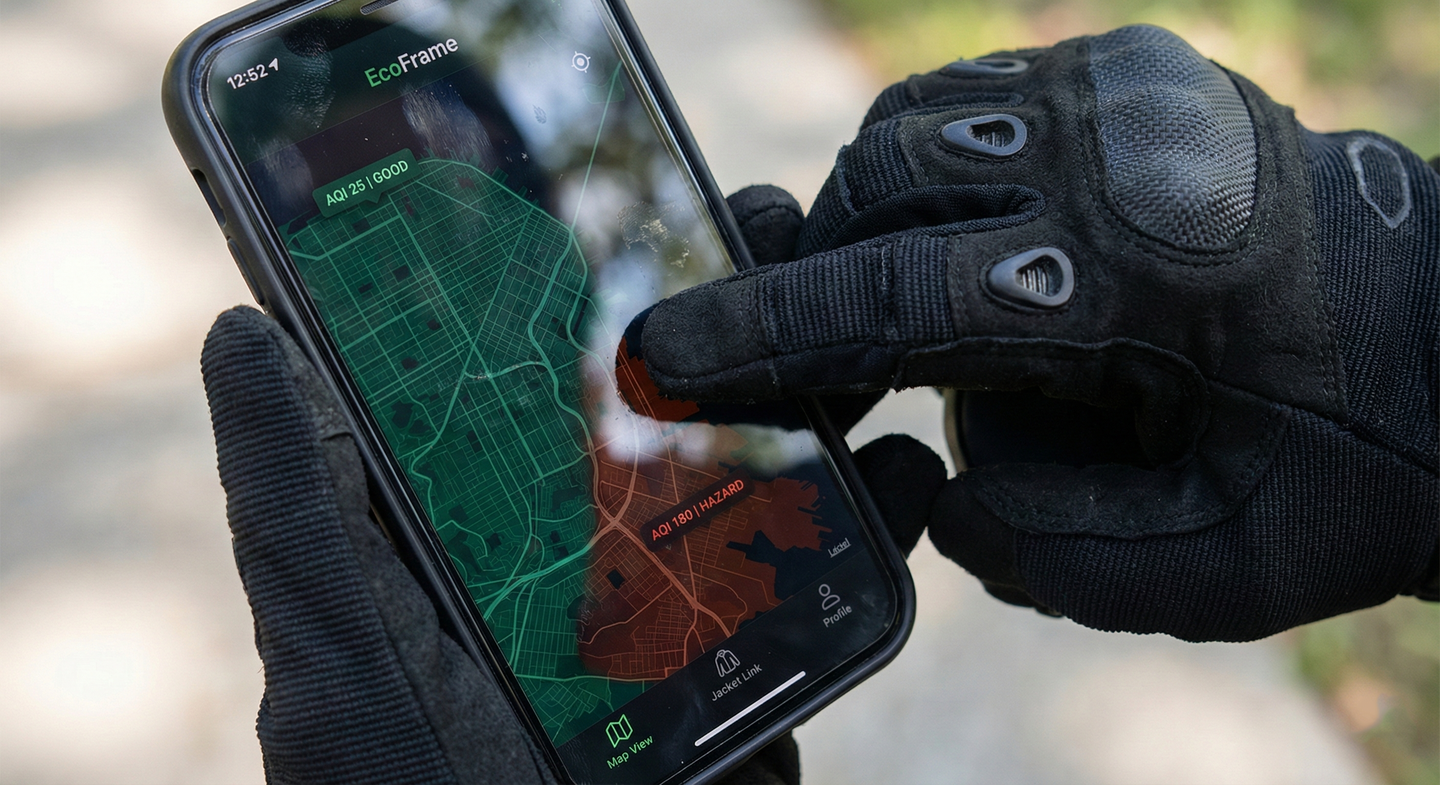
A top-down angled side photograph of a modern smartphone held by a persons hand wearing a textured black technical tactical glove, outdoors. Realistic environmental reflections on the glass… [promt]
EcoFrame Wear relies on CO2 levels in the air to create outerwear that visually signals threats. The clothing’s color change from red to green serves as a symbolic exchange and warning, helping users from different professions and cultures detect and respond to pollution. The EcoFrame Wear brand connects communication theory concepts with solutions that help people cope with everyday problems.
Communication is not one-way transmission; it is an interactive process where symbols create meaning in context. Humans have developed this ability, and we actively use it in EcoFrame Wear. In our app, the pollution model evolves interactively: users generate parameters in accordance with the clothing’s color. The EcoFrame app allows turning individual experience into collective knowledge. This intercultural exchange, attracting contributions from different sources, improves our products, ensuring effective communication without words.
A detailed close-up photograph from a slight angle of a modern smartphone held by a hand in a black tactical glove outdoors. The screen shows the open reading view of a single article with… [promt]
To structure our designs, we express visionary eco-messages through dynamic colors, adhere to conventional sustainability standards for reliability, and adapt rhetorically to audience needs — for example, specialized gear for workers or stylish options for everyday users. This improves how we all navigate environmental communication.
Presentation for a general audience
A candid, photorealistic horizontal photograph tightly framed to focus only on the clasped hands and forearms of two people. Faces and bodies are not visible… [promt]
Welcome to EcoFrame Wear — the brand that makes air quality visible. Our sustainable outerwear changes color depending on pollution levels, turning invisible threats into clear signals. Breathe freer, live more aware.
Thermochromic fabrics react instantly to air pollutants like CO₂.
- Clean air — Calm green tones
- Rising pollution — Warning red shades
It’s not just clothing — it’s your personal air quality indicator, made from eco-friendly materials.
Specialized line for those in high-risk zones: durable, protective clothing with instant visual signals for safety. Helping teams respond faster to environmental threats.
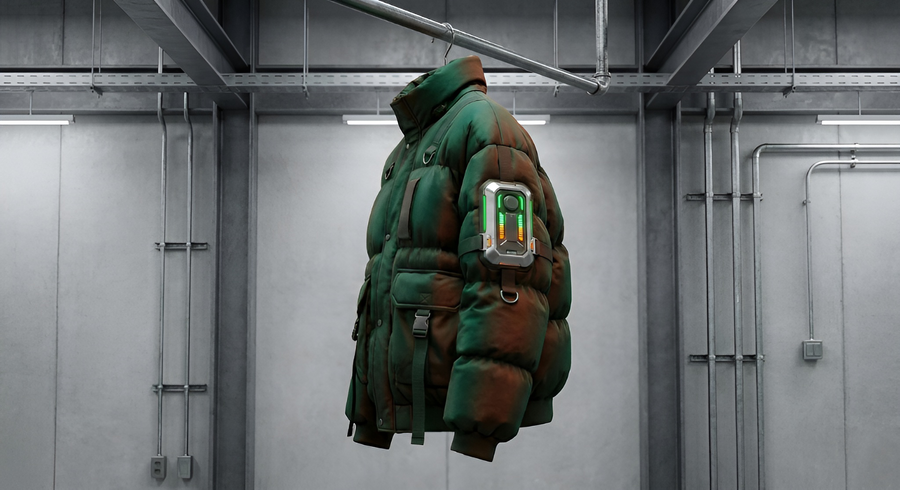
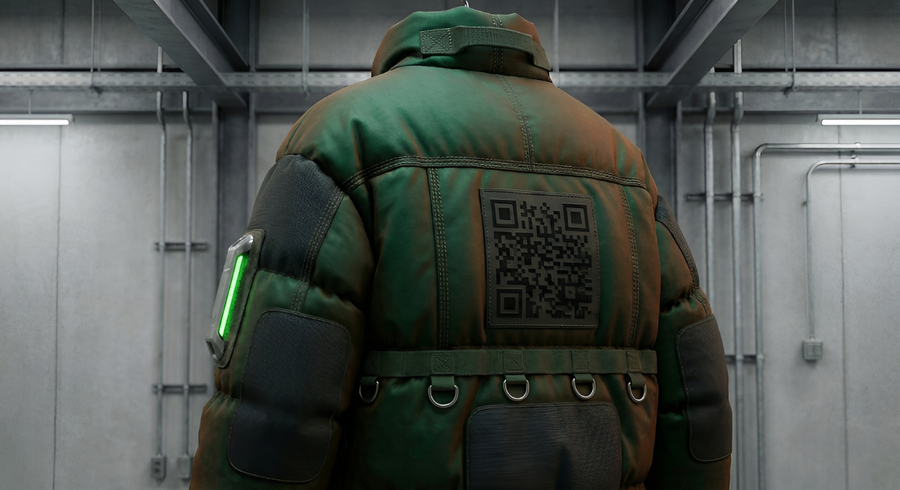
A high-end commercial product photograph of the massive, heavy-duty techwear bomber jacket, viewed from a front three-quarter angle. The jacket, hanging on the metal hanger… [promt]
EcoFrame Wear makes invisible problems visible.
Your clothing becomes a symbol of awareness, encouraging reflection and discussions — just like sharing real stories makes us all better informed. Join us in creating a cleaner future, breathe the change.
Presentation for a professional audience
Professionals in ecology, beyond our clothing, will be interested in the app’s main feature: users mark pollution points directly from their location, calibrating markers according to the jacket’s color (green — clean, red — dangerous). This transforms individual experience into aggregated data for community monitoring.
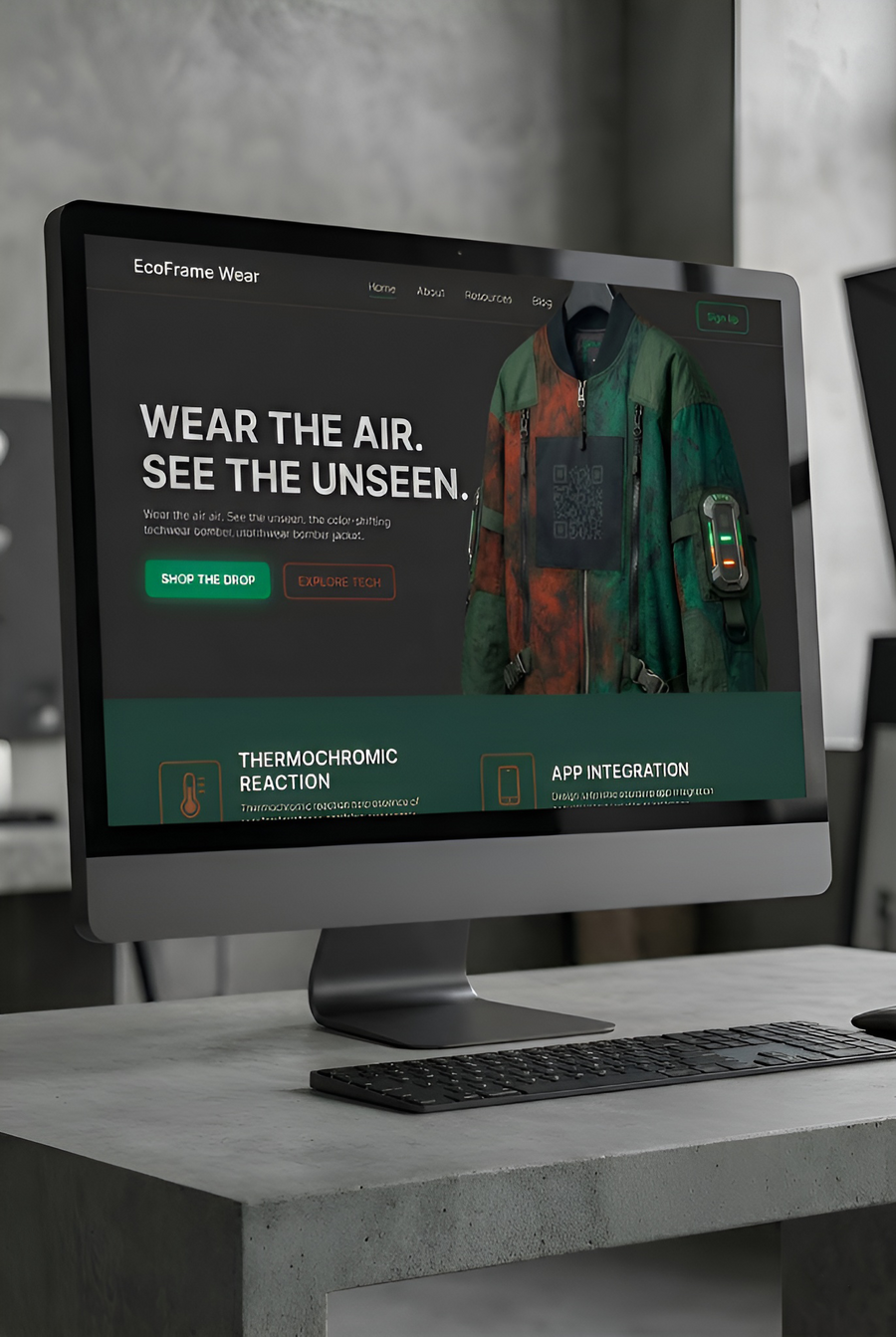
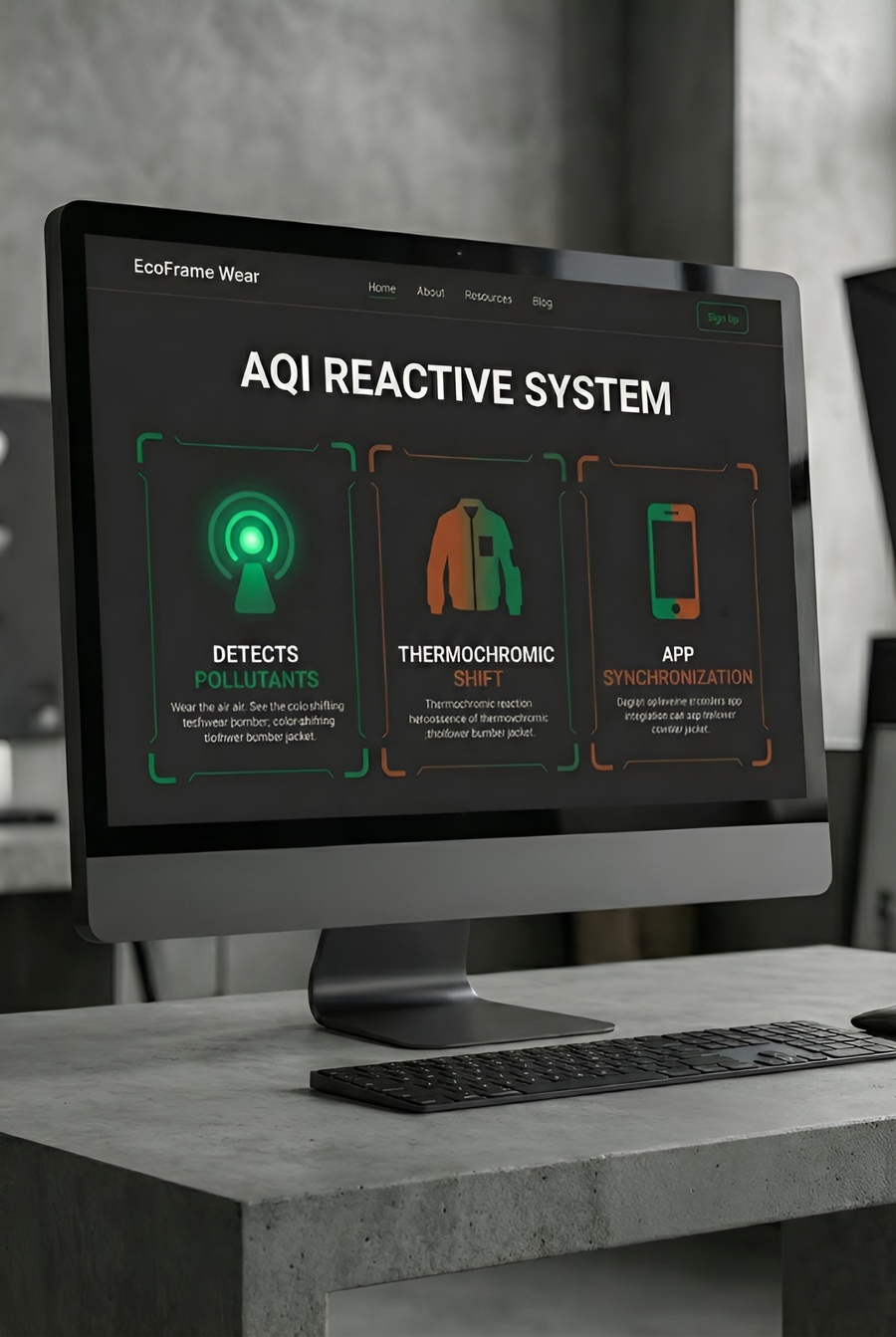
A detailed close-up photograph from a slight high angle, looking down at a computer monitor displaying a mid-page section of the 'EcoFrame Wear' landing page… [promt]
Built-in mini-lectures provide concise, fact-based content on combating pollution — based on real scenarios like urban smog or industrial threats. Topics include sustainable practices (reducing CO₂ through fabric recycling) and policy advocacy, encouraging the application of theory to improve future situations. The feature makes EcoFrame a bridge between academia and practice, with content adaptable to different cultural contexts.
The screen display is active, showing the dark-mode 'News&Insights' feed of the 'EcoFrame' application. The UI is brutalist and technical, using the deep emerald green and dark rust-orange… [promt]
Opportunities for Collaborations
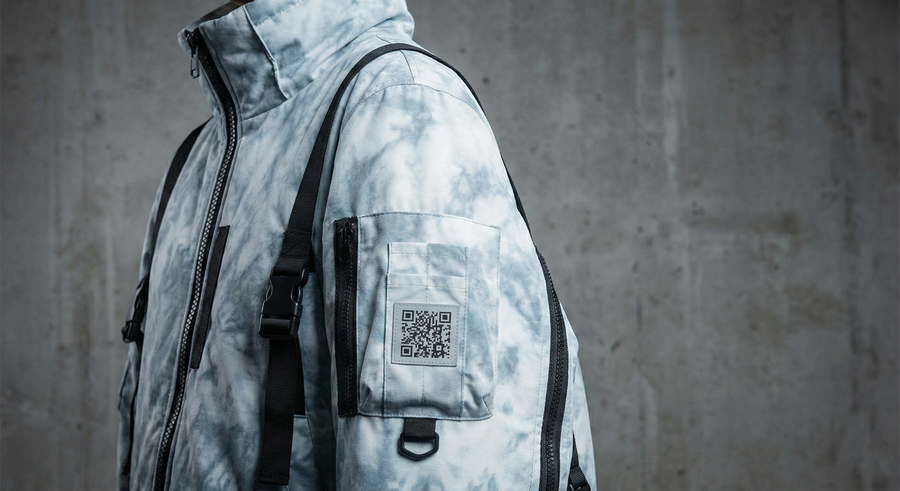
A detailed close-up photograph of the left side of the «Glacial Storm» longline techwear bomber jacket. The focus is on the sleeve, showing the complex pocket system, black webbing straps… [promt]
EcoFrame opens opportunities for partnerships in sustainable fashion and technologies:
- Limited collections with innovative developers of smart fabrics and advanced sensors.
- Collaboration with NGOs on air quality for app data integration and global campaigns.
- B2B with industrial sectors for customized worker gear, using user maps for site safety.
Growth and Engagement Strategy
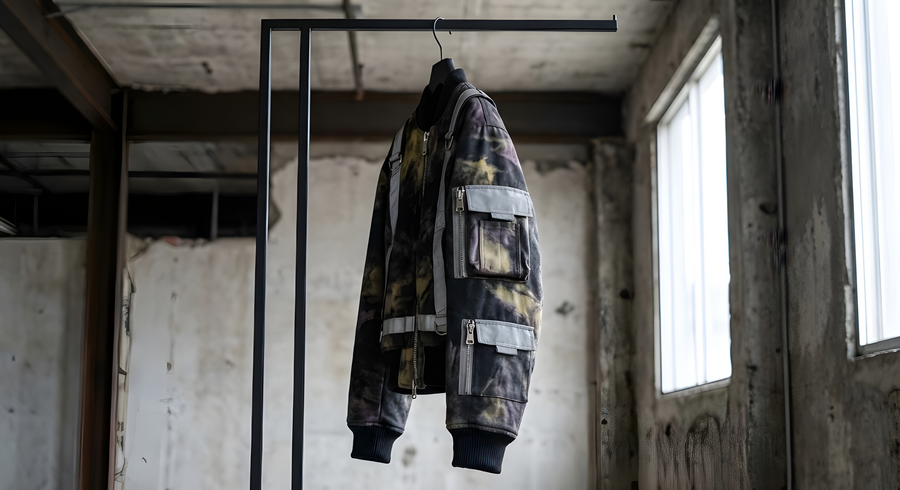
A raw, nocturnal urban photograph from directly behind the cropped, boxy techwear bomber jacket. The dark fabric has a marbled pattern of black, graphite, and muted dirty yellow and purple… [promt]
The strategy relies on user interactivity for organic growth:
- Online personalization platform: users customize jackets and add data to the map, increasing engagement.
- User-generated content: sharing color-change stories and insights from mini-lectures for viral spread.
A close-up angled side photograph of a modern smartphone held by a persons hand wearing a textured black technical tactical glove, outdoors. Realistic environmental reflections on the glass… [promt]
Emotional Design and Visual Identity