

Experimental Fashion Accessories / Second Skin / Concealment

DNDNN (Do Not Deanon)—a series of experimental masks that explores the right of an individual to self-determine their level of visibility. In an era of constant self-presentation, the face has become a tool for recognition and identification. DNDNN invites us to consider the concealment of appearance as a deliberate fashion gesture. At the core of the collection is the concept of a second skin: an artificial second skin that visually resembles the real one while simultaneously obscuring it. The masks combine authentic black lace and flesh-toned latex with printed lace texture. Three models offer three ways of interacting with the image: to hide, to cross out, or to frame.

Contemporary public life makes appearance a part of constantly available information. The ability to conceal one’s face becomes not just a practical action, but also a way to delineate personal boundaries.
In experimental fashion, the mask allows a person to separate themselves from their usual visual image and alters the relationship between the observer and the observed object.
DNDNN explores the contradiction between the desire to be seen and the right to remain anonymous.


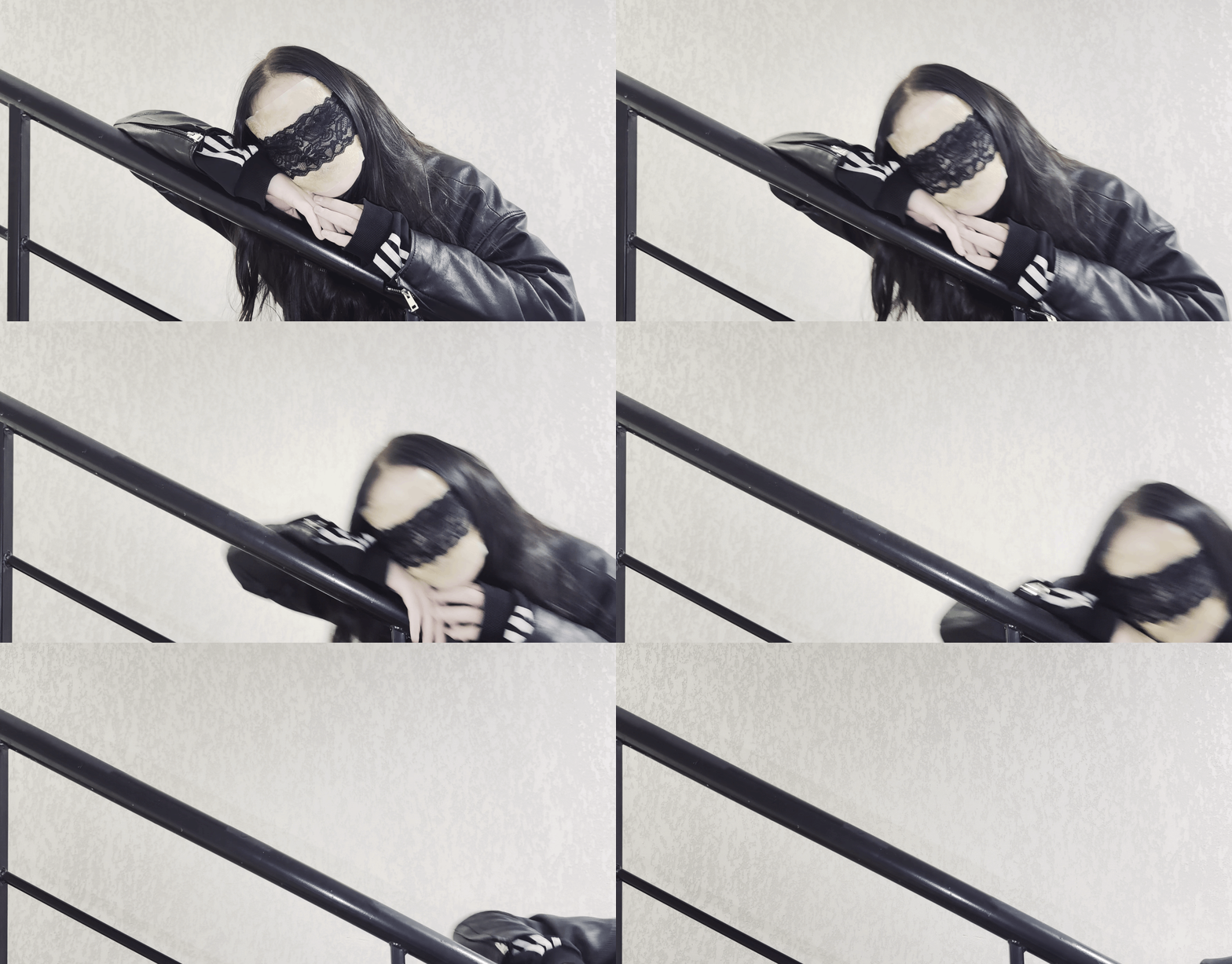
Hide.A black horizontal bar cuts across the center of the mask, much like a censor bar. Light latex elements above and below create a contrast between the real lace and its artificial imprint.The shape restricts access to human vision, transforming concealment into a direct visual statement.001 / DO NOT. OBSERVE
Do not define.Inversion of the first model: the black stripes shift to the edges, framing the light center.If the first mask uses direct censorship, the third operates through the framing of the visible. It explores the idea that the possibility of seeing a person does not yet equate to the ability to understand or definitively determine their identity.003 / DO NOT. DEFINE
The intersection of vertical and horizontal lines forms a crosshair, transforming the face into a visual target. The shape references constant observation and tracking, expressing a refusal to be an object of someone else’s control or identification.002 / DO NOT. TARGET
The collection is built on the interplay between actual lace and its artificial analogue. Black elements remain textile, preserving the softness and recognizable structure of the fabric. Light elements are formed from liquid latex with a lace-like relief. The latex texture reproduces the textile pattern but alters its properties—the lace becomes an elastic polymer surface resembling a second skin. This creates a juxtaposition of the real and the artificial, the hidden and the revealed, the body and the accessory.
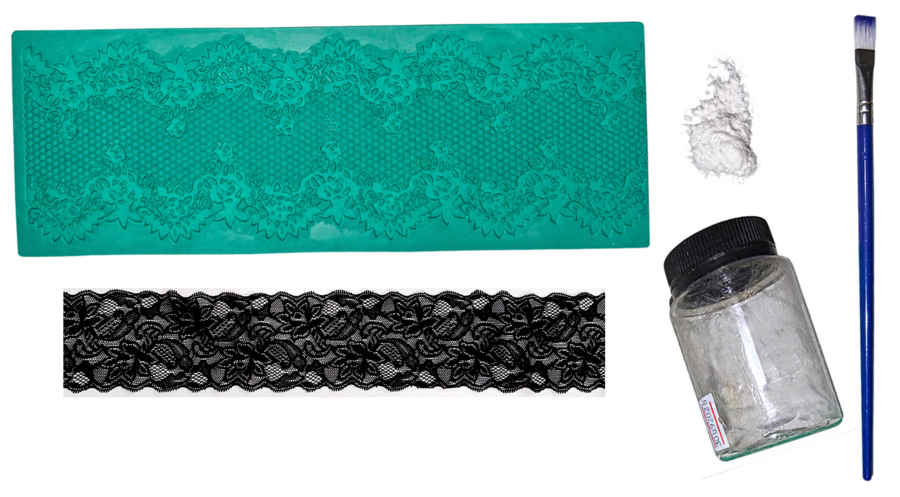
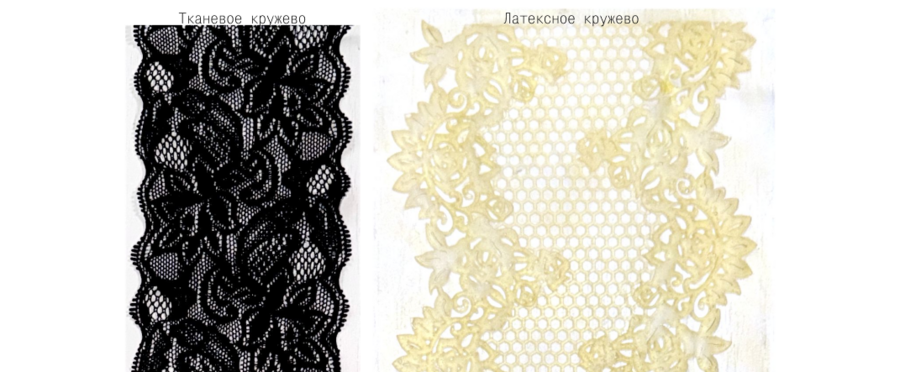
The first level is a shallow recess designed to hold the actual black lace. The second contains a recessed lace pattern intended for forming latex elements.Light fragments are created by applying latex in layers followed by drying. At the material junction points, the material must overlap the fabric lace to form a unified object.The technology is currently in the testing phase. It is necessary to verify the completeness of relief reproduction, the strength of the material connection, the detachment of the piece from the mold, and the repeatability of the result.