Structure:
1. Media Goal Description
2. Future Media Topic (Segment + Niche Topic)
3. Competitors and Their Analysis
4. Distribution Channel
5. Target Audience Description
6. Unique Selling Proposition (USP)
Media Goal Description
Goal: To create a sustainable media ecosystem around the brand, where upcycled clothing is positioned not as mere waste utilization, but as a conscious manifesto and a carrier of history within a culture of disposable consumption. The media should sell not just «eco-items, ” but a sense of unique identity and ethical freedom through a tactile and emotional connection to the materials' past.
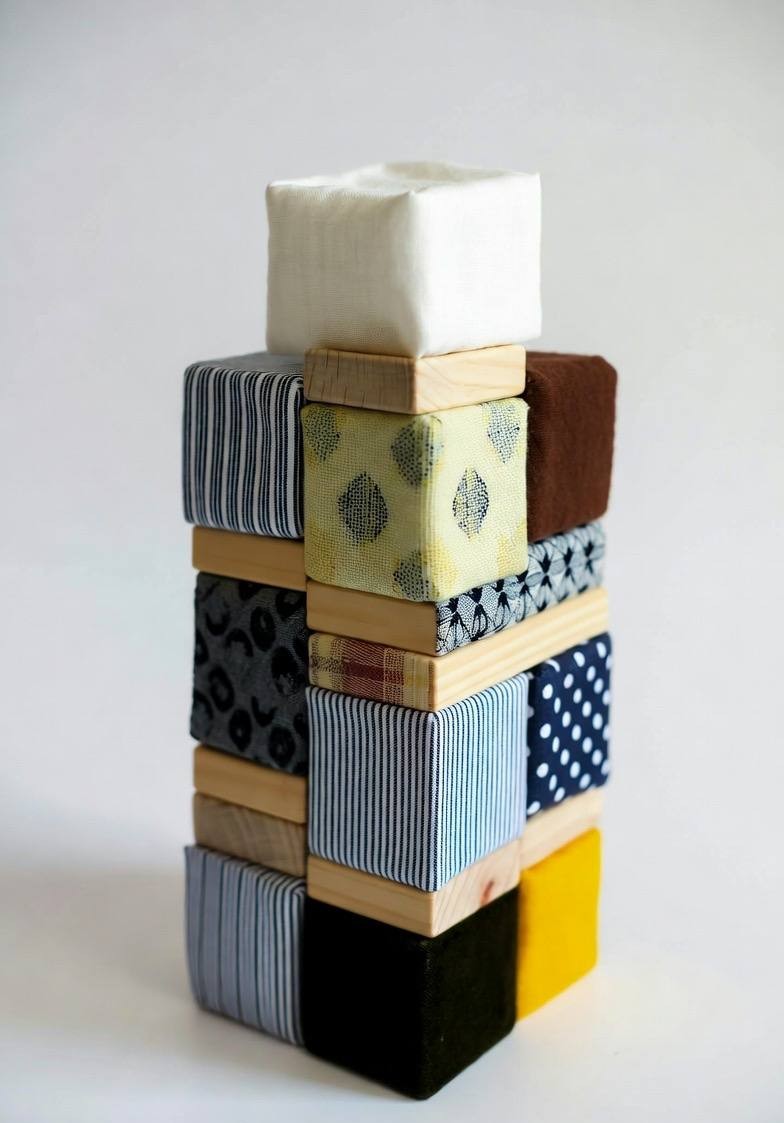
Objectives: — To establish the category of „narrative upcycling“ (in contrast to faceless mass-market goods and superficial eco-PR). — To demonstrate that the texture and traces of the fabrics' past lives constitute a sensory experience: touching intricate patchwork combinations and visually reading their history shifts the focus from chasing trends to conscious contemplation and tactile pleasure. — To differentiate itself from utilitarian mass-market production and from shapeless „eco-handmade“ items that lack style and functionality.
Future Media Topics
Sustainable fashion and the philosophy of conscious consumption. Segment: Sustainable Fashion / Upcycled Apparel. Niche Topic: Narrative upcycling—unique clothing with the material history as a manifesto against fast fashion. Content Format: Visual storytelling, revealing the history of each item and demonstrating the creation process (Behind the scenes).
Competitors and Their Analysis
We will contest the target audience’s attention along these axes: Material texture and «scars» as aesthetics. Does the competitor present wear, varied textures, and traces of the fabric’s past life as a defect that needs to be concealed, or as the main feature and «soul» of the garment.Color eclecticism and visual balance. Does the brand use patchwork simply as a «fashion print» (a color palette), or does it construct complex, meaningful color narratives where every shade contributes to the overall mood of the piece.Cut and wear scenarios (Modularity and Oversize). Does the competitor have the logic of a «transformer piece» or a relaxed cut that suits different body types and fits into various scenarios (from the office to a countryside stroll), or is it just standard patterns sewn from scraps?Tone of Voice and philosophy. Does the brand speak like an «eco-activist» who critiques fast fashion, or like a «thoughtful storyteller» who shares the material’s history and inspires mindfulness without inducing guilt.Platforms and presentation formats. Does the brand simply publish a catalog of items on a marketplace/website, or does it maintain a visual diary where the creation process, fabric sourcing, and the underside of seams become as important content as the final look.Visual language and frame aesthetics. Macro photography of seams, tags, knots, and fabric texture, live models in natural settings versus sterile studio fashion shoots on a white background, which eliminate the «handmade» nature of the clothing.Engagement tools and community. Does the brand simply sell, or does it engage its audience: allowing them to bring in old items for alteration, voting on fabric combinations for the next drop, or sharing stories of their «patchwork» finds.
Top 3 Direct Competitors
«Thank You» (Spasibo) and similar eco-brands specializing in upcycling Their approach: Building a strong community, focusing on education, and emphasizing sustainability and recycling. The items often resemble «eco-uniforms» (simple silhouettes, natural colors).
Designer brands with upcycling drops (such as ZDDN, YASYA MINOCHKINA in her collaborations) Their approach: Upcycling is treated as a fashion trend and a catalyst for limited-edition collections. These pieces command high prices, feature complex deconstructed cuts, and emphasize «high fashion» and exclusivity.
Mass-market brands with «eco-capsules» (brands like Tvoe or O’stin with their recycled lines) Their approach: Greenwashing. They use the terms «upcycling» or «eco» to sell mass-produced, standardized items made from recycled polyester. The pieces lack individuality.
Top 3 Indirect Competitors
- Curated vintage shops and premium secondhand stores (Addresses the need for: uniqueness, sustainability, objects with a story) Their approach: They sell existing items from the past. The buyer receives an authentic piece with «soul» and a low ecological footprint, but the purchasing process transforms into a «treasure hunt.»2. Customization services, bespoke tailoring, and DIY workshops (Addresses the need for: one-of-a-kind items, giving old materials a second life) Their approach: The client brings in their old clothing, and the artisan redesigns it, or the client participates directly in the creation process (sewing, visible mending, embroidery). This is a deeply personal, yet labor-intensive process.3. Local Slow Fashion brands using natural fabrics (Addresses the need for: conscious consumption, tactile comfort, rejection of fast fashion) Their approach: They emphasize monochromatic palettes, essential silhouettes, and «clean» natural materials (linen, organic cotton, nettle). Their message is: «buy less, but better.»
Distribution Channel
Main channels: Instagram (visuals and Reels) / Pinterest + Telegram channel.
Visual content: macro photography of textures, visible seams, and fabric «scars, ” ASMR videos featuring the rustle of various materials, and aesthetic shots of the patch-working and reverse sides of garments.Text content (Telegram): short essays on the „biography“ of specific items (where the fabric comes from and the history it carries), the philosophy of mindful consumption without guilt, and the aesthetics of imperfection.Additionally: collaborations with eco-activists and local artists, as well as joint projects with the students (e.g., upcycling their old items).
Target Audience Description
Archetypes: «Seeker» and «Creator.» They aspire to express their individuality and forge their own style without blindly following imposed trends. Attitude toward Consumption: They have moved past the accumulation phase and are now in the stage of «reduction and contemplation.» They ask themselves, «How should I live?» and find the answer in choosing less, but choosing what is better, meaningful, and ethical. Loyalty Triggers: Process transparency, respect for material history, the aesthetics of «scars» and visible seams, and honesty (the absence of greenwashing).Jobs To Be Done (JTBD) by Perception Level:Functional: «When I get dressed in the morning, I want to be sure that my garment is comfortable, high-quality, and that I won’t see a copy of it on the street.»Rational: «When I choose between local brands, I want to pick the one that offers modern tailoring and a genuine material story, rather than just an „eco-logo“ on the tag.»Emotional (Brand-driven): «When I wear this piece, I want to feel like I am part of a community that values depth, history, and conscious choice. This gives me internal support and confidence.»
Unique Selling Proposition
Unexpected color transitions as visual dopamine. The palette is built upon an aesthetic of imperfection and discovered treasures. Faded indigo neighbors the terracotta of a Soviet tapestry and deep olive.Free silhouettes for different moods. Cozy oversized pieces (such as a voluminous transformer jacket or a tunic dress) are for days when you want to retreat from external noise and find security. Asymmetrical blazers with complex patchwork geometry are for days when you need to declare your individuality and strength without words.The wardrobe is a manifesto. Thus, we are not just selling «eco-clothing from scraps, ” but an immunity to disposable consumption. We grant the right to be one of a kind and the confidence that your garment is a co-author of your life—one that will age beautifully with you, rather than heading to the landfill after one season.