Exhibition 1
Mmomma
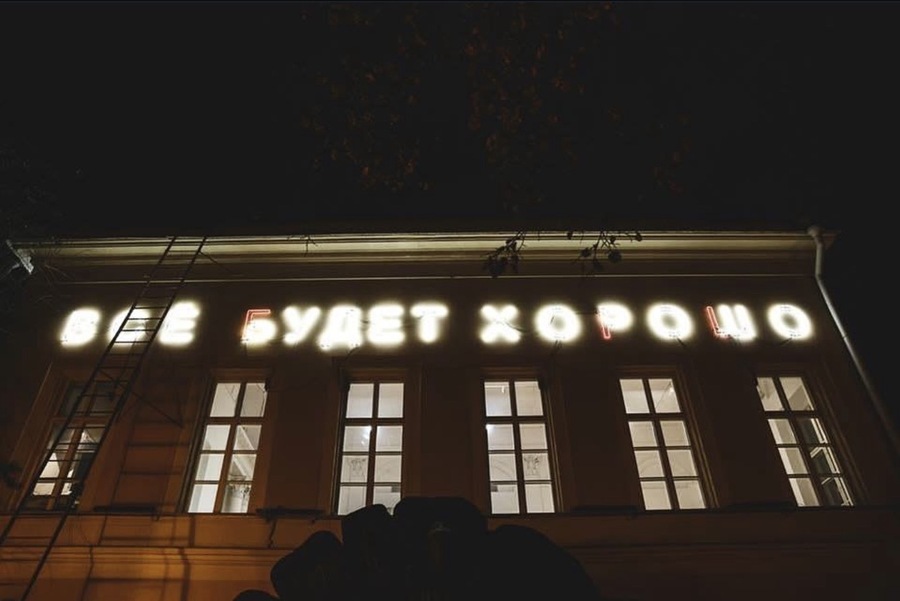
The Moscow Museum of Modern Art (MMOMA) is the first state museum in Russia dedicated to domestic art of the 20th–21st centuries, while also introducing viewers to the international artistic currents of this period. Over the years of its productive work, the Moscow Museum of Modern Art has secured an important place on the cultural map of the capital. Today, MMOMA is one of the most authoritative and visited city museums. Possessing a representative collection and substantial research and exhibition experience, MMOMA is always open to experimentation and continues to evolve. Director — Vasily Zurabovich Tsereteli
About the Exhibition
Curators: Yan Ginzburg, Elena Milanovskaya, Evgenia Shuster
Co-organizer: AZ Museum (Anatoly Zverev Museum)
About the Foundation: The Evgeniy Rukin Foundation has existed since 1993, an idea conceived by Evgeniya Valeryanovna Rukhina (1909–1992), the artist’s mother. Following the tragic death of her son, Evgeniya Valeryanovna dedicated herself to preserving her son’s artistic and documentary legacy. The foundation’s mandate includes preserving the artist’s works and archival materials, creating a database of the artist’s pieces, consulting and supporting museums and private collectors for the authentication or disposition of artworks, organizing exhibitions and commemorative events, and maintaining the graves of the artist and his mother.
The exhibition’s message is to gather the legacy scattered around the world. Rukhin lived for only 33 years and worked for about twelve years, and the largest collection of his paintings is in the United States. The exhibition creates a «temporary alternative» to this collection, showing a new chapter in the artist’s legacy for the first time. The core idea is that for Rukhin, non-objectivity was not a rejection of the world, but «the peak moment of the object’s destruction and disappearance.»
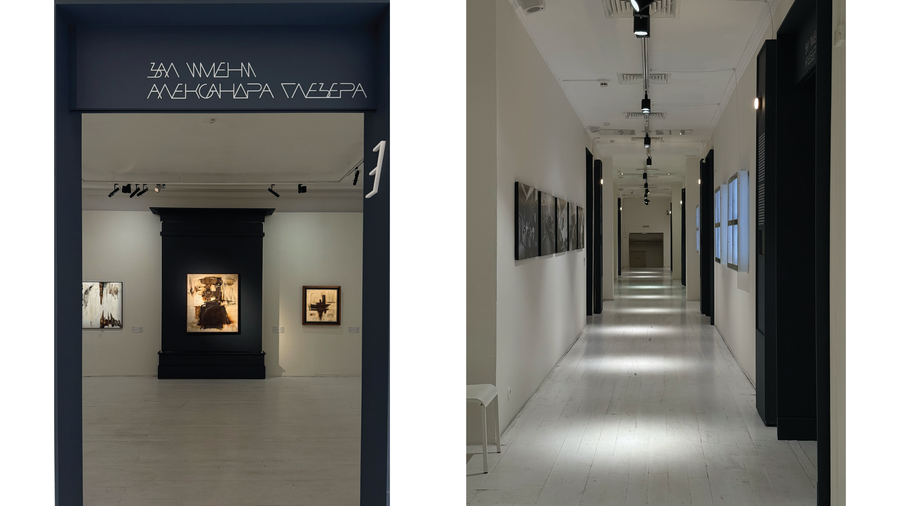
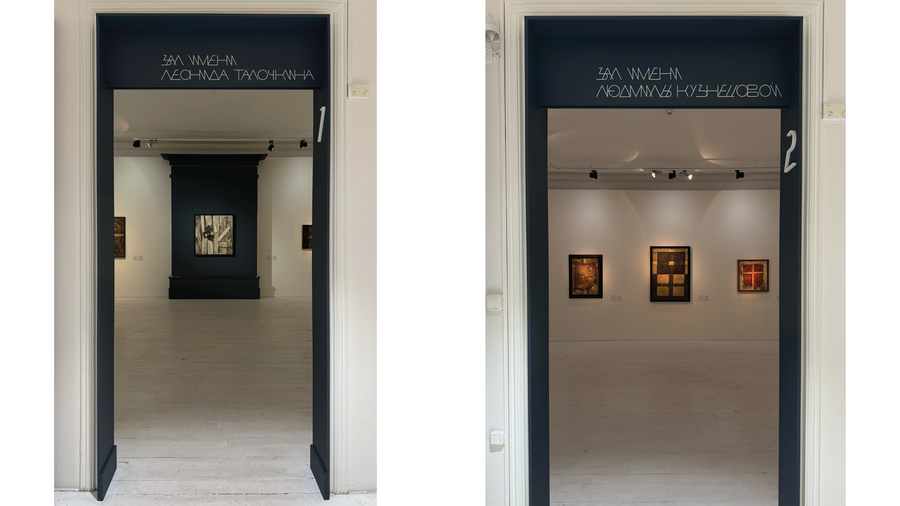
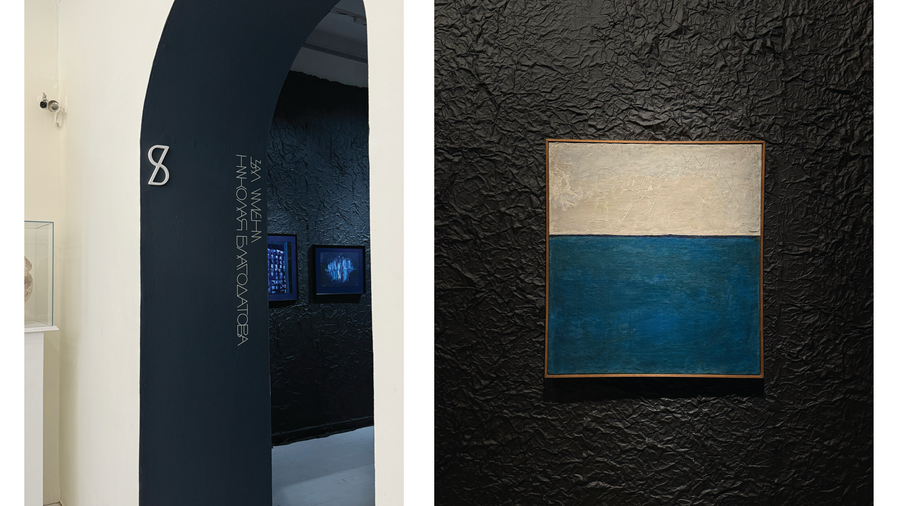
The exhibition is divided into 9 halls (from 0 to 8), which are arranged sequentially. After visiting all of them, visitors return to the entrance. Each hall is marked with a blue portal displaying a number and a title. The halls are named after individuals who collected independent Soviet art (Leonid Talochkin, Lyudmila Kuznetsova, Alexander Glezer, Nikolay Blagodatov, and others). Next to the entrances, a separate panel features text and a screen showing archival footage or interviews.
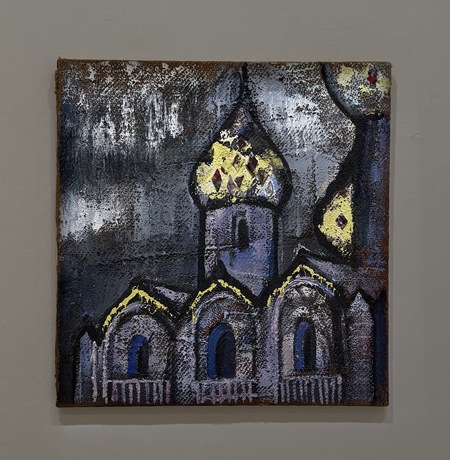
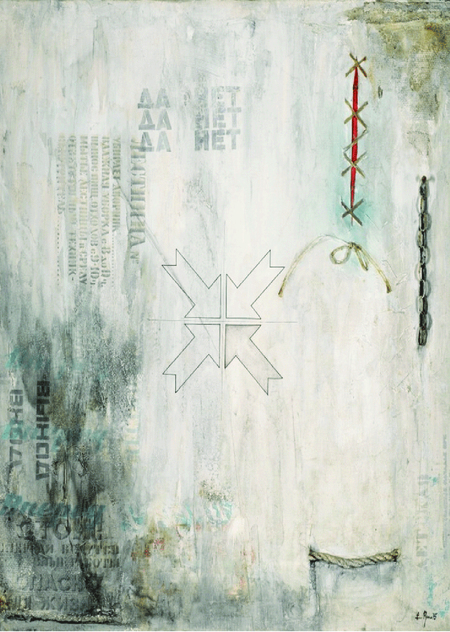
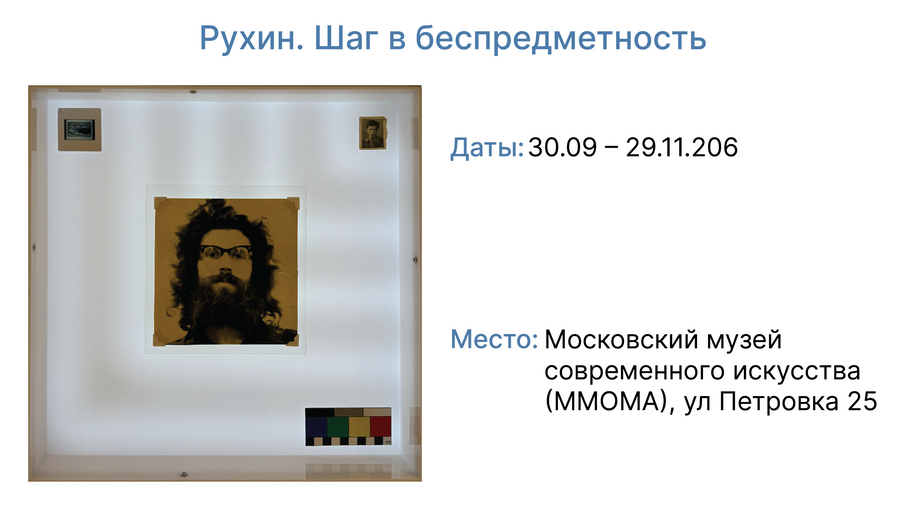
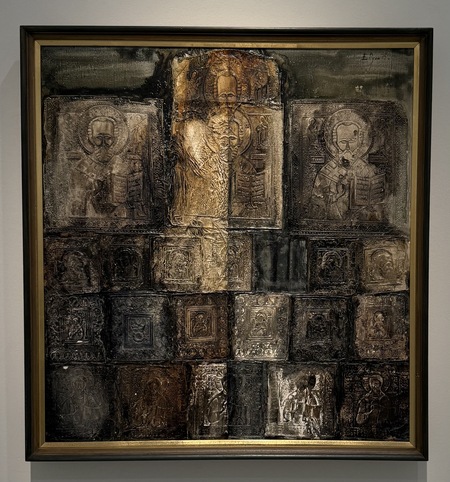
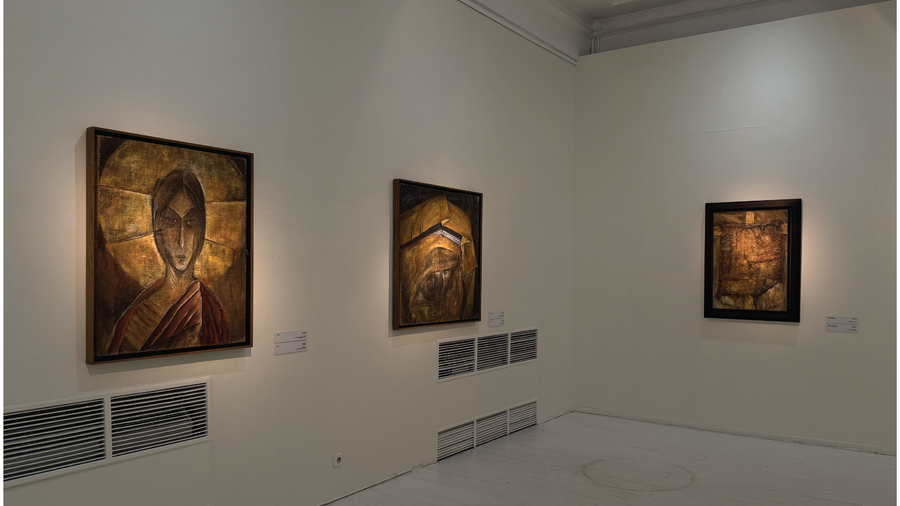
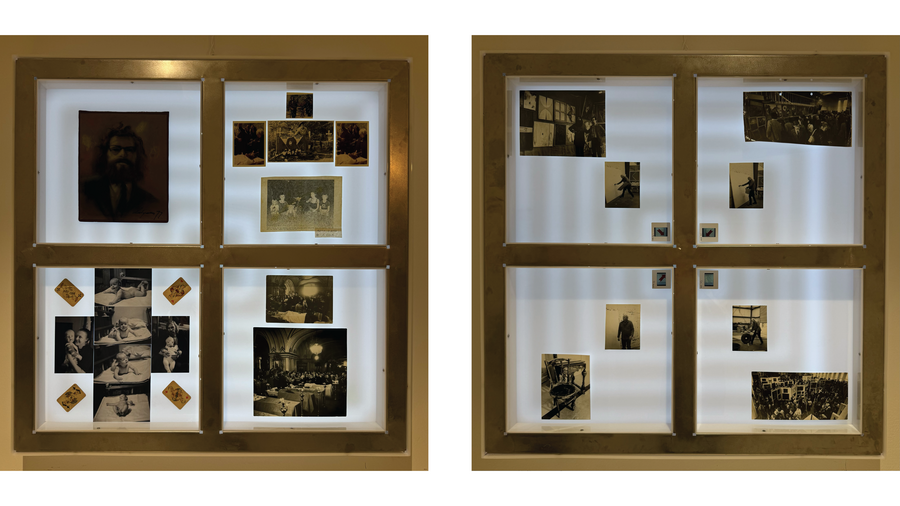
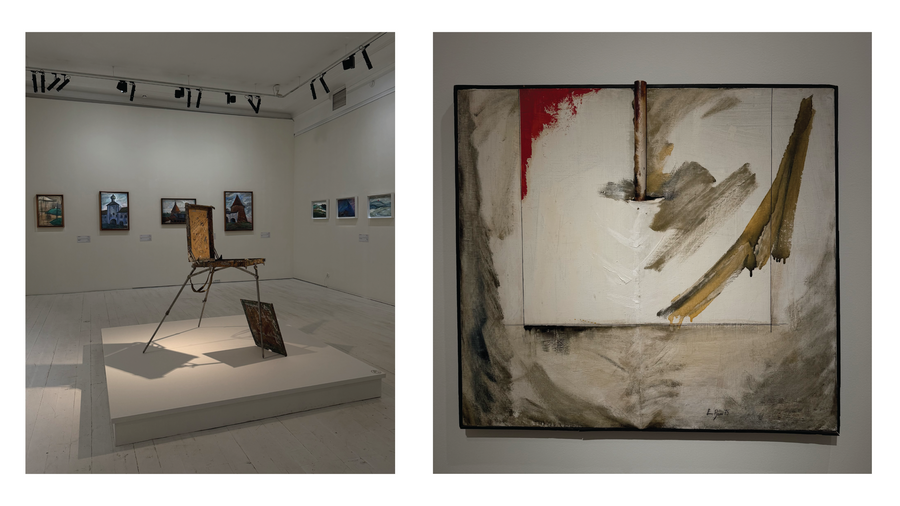
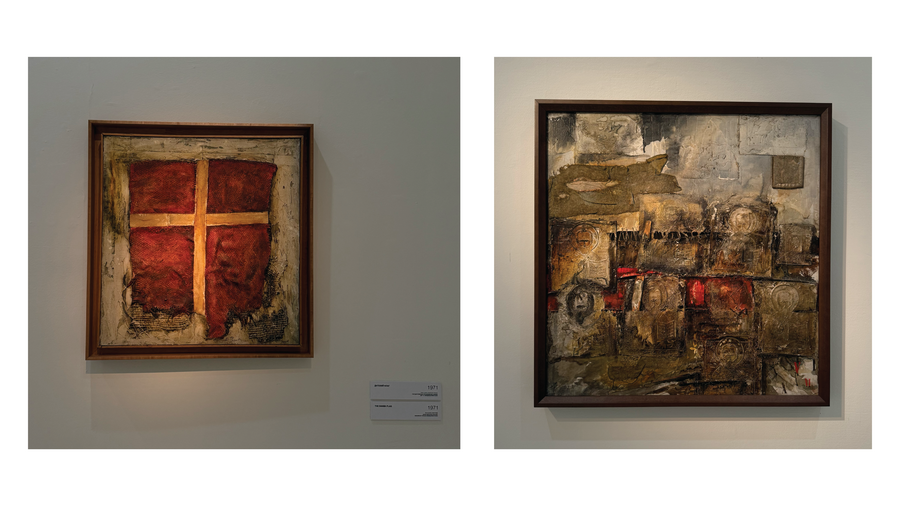
The galleries are organized chronologically and thematically. It begins with early landscapes from student expeditions and rustic motifs, followed by the memory of objects and their texture, and then the theme of their disintegration—which signaled a move toward non-objectivity. The theme of traces is reflected in the gallery featuring icon imprints. The route concludes with sections dedicated to Rukin’s key colors: red, white, and blue. The final gallery differs from the others as it is intimate and entirely rendered in blue tones. It directs us to the artist’s earliest abstractions. The circle closes not only in layout but also in meaning. In the hallway between the galleries, photographs of Rukin himself, his family, and his studio are also displayed. Thus, the narrative of the paintings is complemented by a personal history.
Exhibition 2
MAMM
MMAM, Moscow — The Museum of Modern Art and Photography, the first museum of contemporary art and photography in Russia, was established by the Government of Moscow in 1996.
The museum’s collection comprises over 180,000 exhibits. There is no permanent exhibition at the museum; the exhibition projects change constantly. MMAM showcases the history of international and domestic contemporary art, features projects by world-renowned and Russian photographers, as well as exhibitions of young artists, video art, VR, art related to new technologies, performances, and other forms and genres of art. At Ostozhenka, 16, MMAM hosts approximately 60 exhibitions annually.
In addition to the exhibitions, the museum hosts various educational programs for children and adults, covering both the theory and practice of art.
Director: Olga Sviblova.
About the exhibition
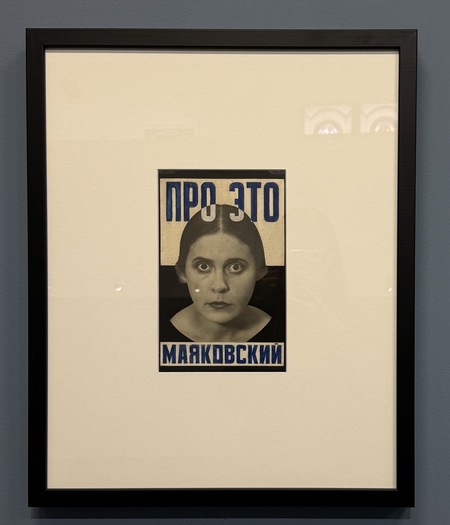
Curators: Anna Zaitseva and Maria LavrovaCo-organizers: V.V. Mayakovsky Museum, V.I. Dal History Museum of Russian LiteratureAs part of the «Photobiennale-2026, ” Multimedia Art Museum, Moscow presents the exhibition „Lili Brik: Icon of Style and Muse of the Avant-Garde, ” timed to the 135th anniversary of Lili Brik’s birth. Countless publications have been written about Lili, and her life—surrounded by speculations and myths, many of which she created herself—remains a subject of heated debate and discussion. Lili Brik masterfully constructed the image of the fateful woman, planning it down to the smallest detail. She knew how to be a thoughtful reader and conversationalist, and for this reason, figures in the arts listened to her not only from her own generation but also from subsequent ones. Andrey Voznesensky, Maya Plisetskaya, Rodion Shchedrin, Mikael Tarverdyev, and other icons of the new age were frequent guests of her home.
The exhibition portrays Lylia Brik not only as Mayakovsky’s muse but as an individual who actively crafted her own image and commanded public attention.
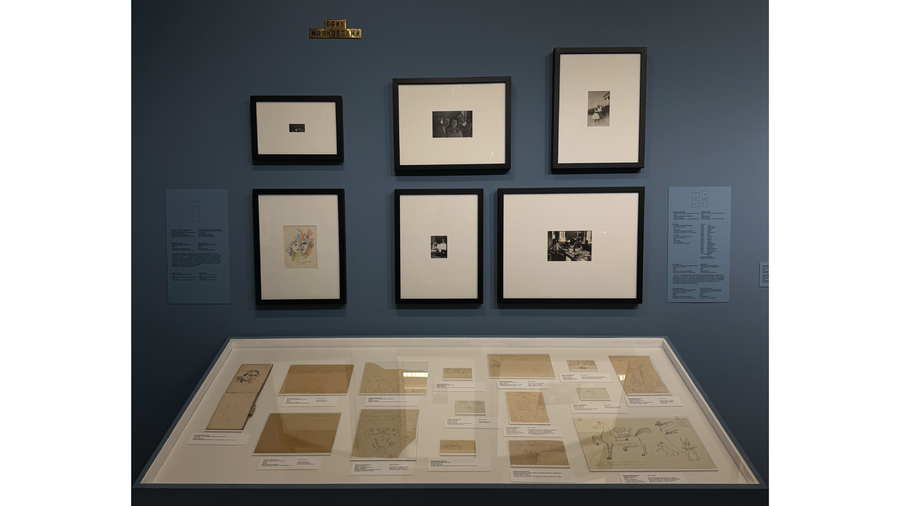
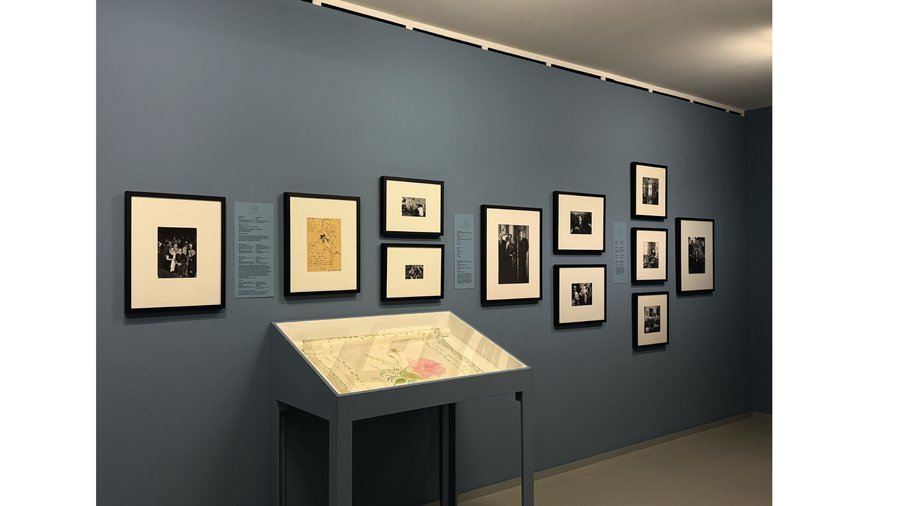
The exhibition flows as one continuous line, making navigation through the space easy. Next to each group of works, there are numbered placards, and the only in-depth curatorial text is at the beginning; beyond that, visitors are guided by quotes from people about Lila Brik.
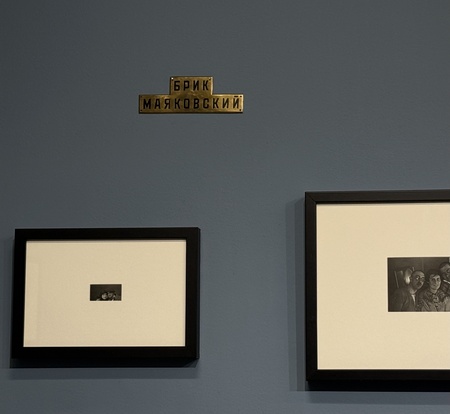
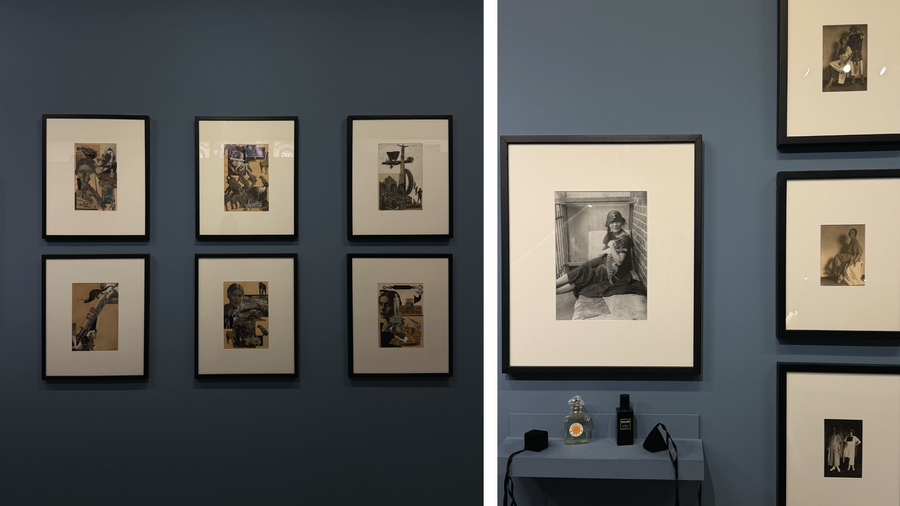
The journey moves from childhood to old age: childhood photos with my sister, then Mayakovsky, fashion, film, portraits, and the Brick apartment.
The unique aspect is that next to the title of each piece, there are quotes from letters, diaries, and memoirs. Thus, the image of Lili Brik is formed from the words of those who knew her.
Comparative Analysis
Both exhibitions focus on figures from the Russian Avant-garde and unofficial art of the 20th century, but the curators approach this task in opposite ways. Rukin is an author, and his persona is constructed from his own works. Lilia Brik is not an author; she appears through the works, letters, possessions, and perspectives of others. Therefore, the exhibition compares the curatorial approach: what is emphasized and how.