CONCEPT
The postcard series is dedicated to Armenian cinema. This is an important part of Armenia’s cultural heritage, reflecting the nation’s history, traditions, and identity. Its uniqueness lies in the combination of a distinctive visual language, subtle humor, and profound human stories that remain relevant across generations.The foundation of the postcard design is lettering based on the HAKAS typeface, which was developed within the first module on creative design.
LETTERPRESS
High-relief printing is based on transferring ink from a raised surface onto paper, resulting in an image with a distinctive, slightly debossed impression. The expressiveness of the work is achieved through the inherent characteristics of the process: the relief of the print, a limited color palette, crisp contours, saturated color planes, and the texture of soft cotton paper. These elements become part of the visual language and help realize the artist’s concept.
PROCESS
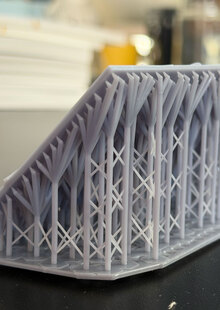
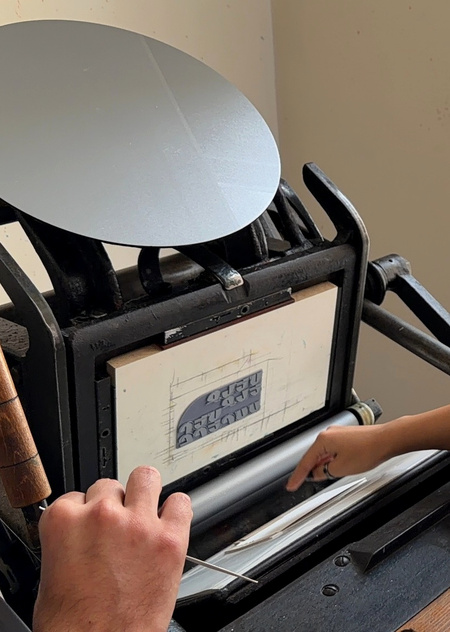
In the first stage, I developed the typographic composition and prepared the mockup according to the printing technical specifications. Then, the finished vector file was sent to a letterpress specialized print shop, where they created and printed a 3D model of the printing cliché based on it.
OPENINGS
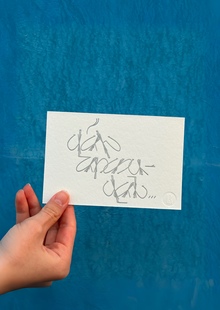
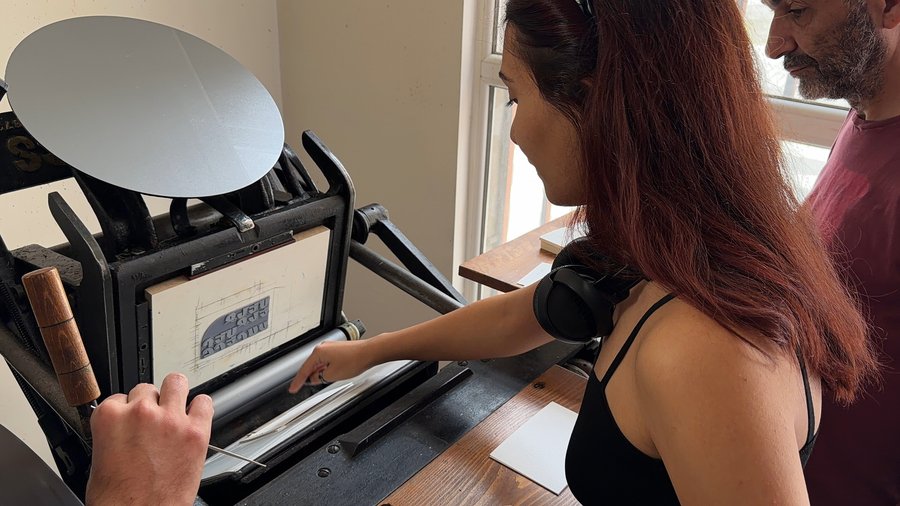
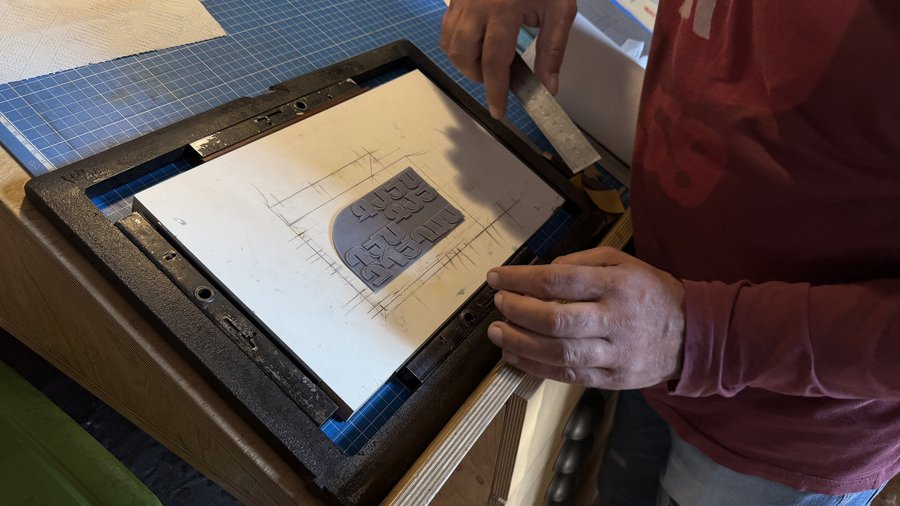
At the print shop, I participated in printing one card from a series. They used PANTONE 877 Silver ink for it, then mounted the cliché and adjusted the pressure. An additional element was a blind impression of the HSE logo, executed without ink.
The first in the series was a postcard inscribed with «Menk enk, mer sarer» («We and our mountains»). The composition is based on the title of a corresponding Armenian film, which has become a classic of national cinema. This piece sets the visual aesthetic for the entire series and engages with the cultural heritage of Armenia.
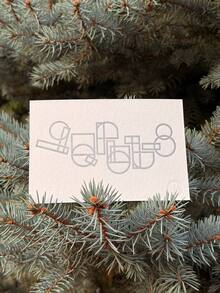
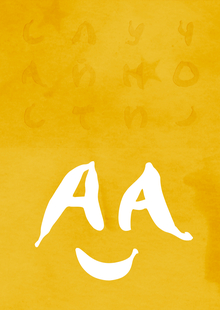
Two sketches, executed in a unified style and dedicated to Armenian cinema, have been added to the series of postcards. Their inspiration comes from the titles of famous Armenian films: «Mechanics of Happiness» (Երջանկության մեխանիկա) and «Tango of Our Childhood» (Մեր մանկության տանգոն), which have become part of the cultural memory of several generations.