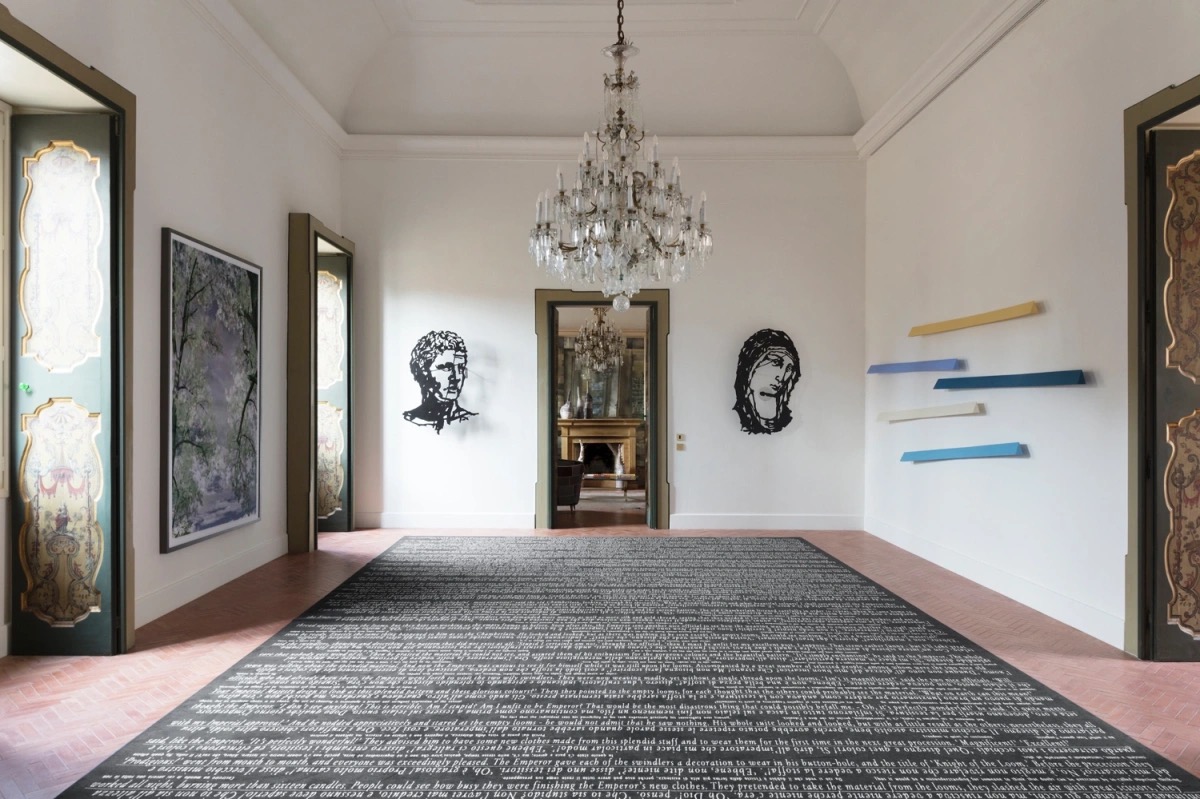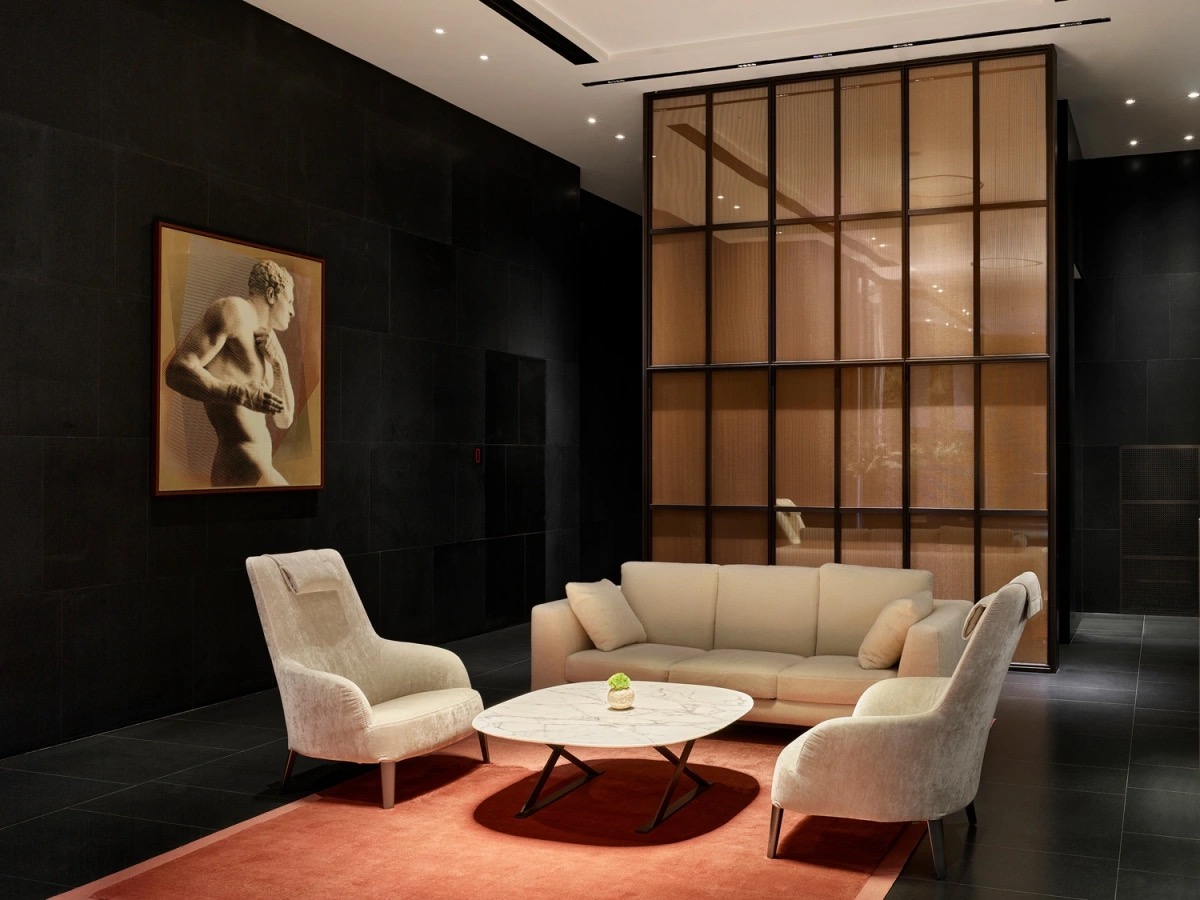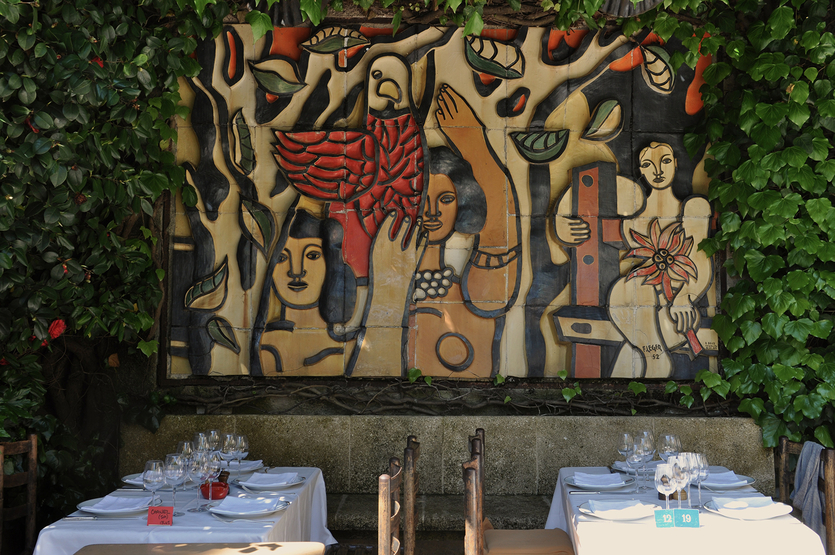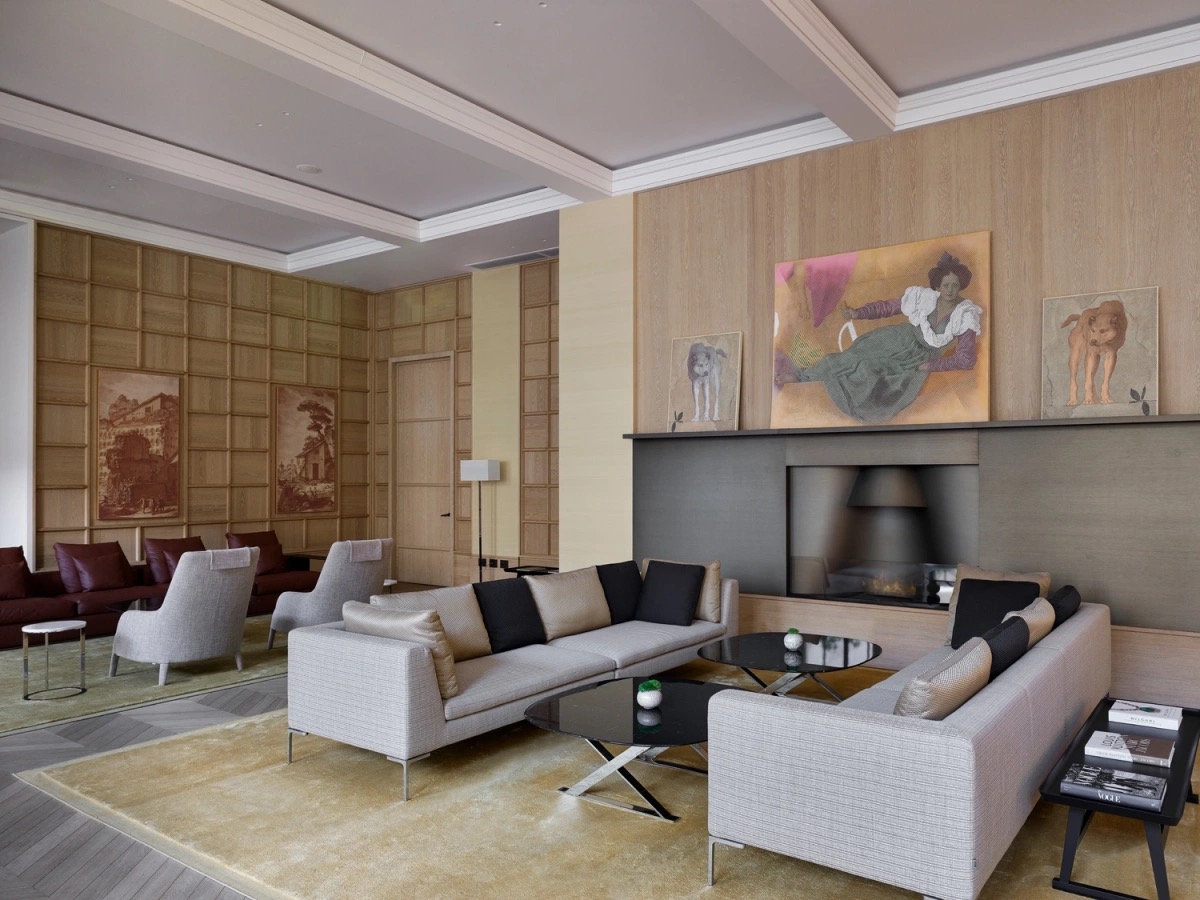

An art management bureau for the hospitality industry that unites hotels and contemporary artists to create unique art programs that reveal the character of the location, enrich the guest experience, and build the hotel’s competitive advantage.

The studio’s task is to develop art programs rooted in the research of history, architecture, cultural context, and the specific positioning of a given hotel.
«Plint» views the hotel not merely as a commercial space for temporary lodging, but as a place possessing its own identity and potential for cultural engagement. In this model, art becomes a means to reveal the character of the place and create added value for guests, the hotel itself, artists, and the local community.
The thesis addresses several questions:
How can contemporary art interact with architecture, history, the daily life of a hotel, and the local context?
How can an art program generate value for the hotel, artists, guests, and the local community?
How can curatorial expertise be transformed into a scalable service with a clear cost structure, revenue streams, and growth potential?
The Issue lies in the fact that a modern hotel competes not only on location, room cost, and service level, but also on the experiences it offers guests. In this environment, art is often perceived merely as a design element: paintings are chosen to complement the interior, sculptures adorn the lobby, and artworks are used to create a specific atmosphere.
This leads to a question: how can we move art from being a decorative element to becoming a managed cultural and business system?
Relevance The contemporary hospitality industry competes not only on the quality of accommodation, location, and range of services, but also on the experiences guests receive. Often, the artistic design of a space is not fully integrated into the hotel’s holistic strategy: artworks may be selected primarily based on decorative criteria, without connection to the building’s history, local culture, or the brand’s overall concept.Mary Joe Bitner’s study, «Servicescapes: The Impact of Physical Surroundings on Customers and Employees» (1992), examines the physical environment of service organizations as a factor capable of influencing customer perception, behavior, and the achievement of marketing goals. This concept allows for viewing the hotel’s artistic design not as an isolated decoration, but as part of designing the hospitality environment.In Maxim Godovik’s article, «Hospitality Art Experience Model: The Effects of Visual Art on Guests’ Attitudes and Behavior» (2024), a model is proposed that links the characteristics of artworks—content, style, color, scale, placement, and thematic relevance—with guest perception and their attitude toward the accommodation. The author also emphasizes the necessity of further empirical verification of these connections.A study by Yanping Fan and Luyang Wang, published in 2026, complements this argument: the authors investigated guest interactions with art in luxury hotels using interviews and quantitative surveys. They identified several ways of engaging with an artwork—maintaining attention, intellectual interest, and emotional immersion. This confirms the relevance of studying art as part of the hospitality experience but does not negate the need to test these findings in a specific project.Thus, the relevance lies in developing a model that connects the artistic value of contemporary art with the practical challenges of the hospitality business, enabling hotels and artists to collaborate on a professional, transparent, and replicable basis.