In design, communication is not about explaining everything, but about creating a feeling.
This is especially important for speculative products, where trust does not come from technical details, but from recognition.
We treat design as a form of embodied communication.
Visual rhythm, contrast, and timing speak directly to the senses, not only to rational understanding. Meaning does not exist inside the object itself — it emerges when the audience recognises their own experience in what they see.
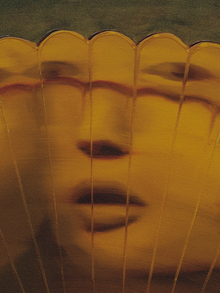
Using meaning-centered communication, we shaped Loop so that design choices invite interpretation rather than explanation. From the pacing of the presentation to the sharpness of the eyes within a blurred environment, the visual language encourages the viewer to feel the idea before understanding it.
Politeness Theory informed the tone of the project: Loop does not «correct» or «fix» the user, but supports comfort and autonomy. The Elaboration Likelihood Model shaped our dual strategy — emotional immediacy for the general audience, and structured depth for professionals.
Through this project, we demonstrate how communication theory can function not only as theory about design, but as theory within design practice.
As part of the course, our goal was to develop an imaginary brand, create two types of presentations for it, and analyze how communication theory — both in general and specifically what we learned in the course—helped us develop the brand.
Our brand is Loop — an imaginary line of AI-powered glasses that adapt to light and temperature, and to your vision.

Imagine stepping out of a warm metro into the winter sun — and your glasses already know how to protect your eyes.
No squinting. No fog. No pause. Just clarity — as natural as breathing.
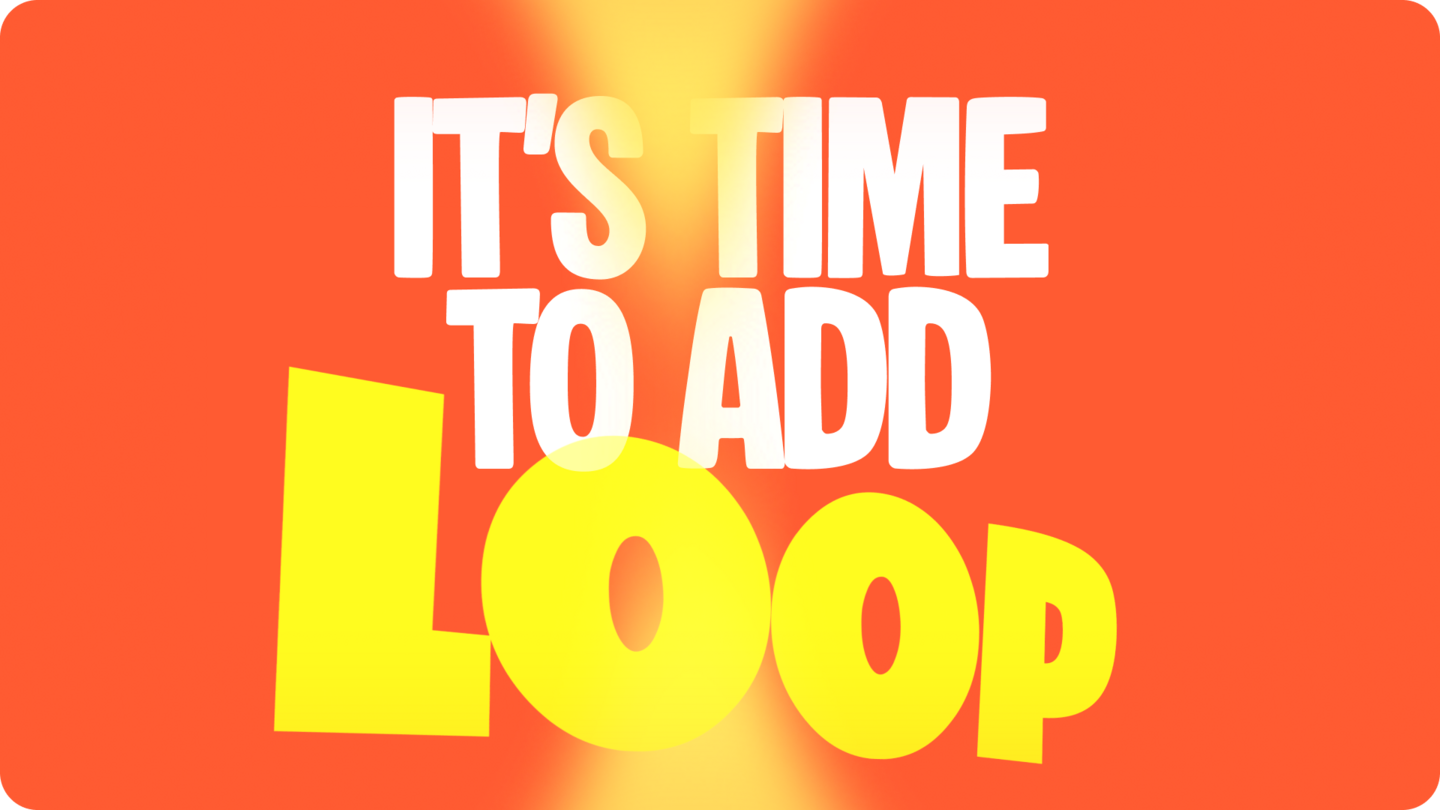

Loop is the world’s first pair of glasses that don’t wait for you to adjust. They adapt before you feel the strain. Before the glare hits. Before the fog forms. Before the headache starts.
This is not enhancement. This is restoration. A return to how vision should feel: effortless, stable, present.
Experience streets, screens, and seasons without your eyes working overtime.
A sunset drive? The lenses dim gradually, like a perfect pair of auto-tint sunglasses — only smarter.
A steamy café? The surfaces stay clear. No wiping. No waiting.
Late-night reading? The contrast softens just enough to keep you focused, not strained.
Loop doesn’t add features. It removes anxiety.
And it’s invisible. No apps. No charging cables dangling. No «smart» gimmicks.
Just a pair of glasses that think — so you don’t have to. For less than the price of a premium sunglass pair, you get a companion for your vision — one that learns, adapts, and stays out of the way.
Loop brings together perceptual ergonomics, adaptive AI, and embodied interaction design to respond to the growing need for calm, adaptive interfaces in an overstimulated world.
Rather than adding more information, Loop focuses on stabilizing perception. The glasses reduce visual strain by continuously adapting to environmental conditions, turning everyday visual stress into a comfortable and effortless experience.
The theoretical foundations of Loop are based on communication theory. We understand visual strain not only as a physical problem, but as a breakdown in communication — a moment when the visual signal becomes unclear and perception is interrupted.
Loop restores clarity by reducing visual noise and supporting smooth perception. The system works automatically, without requiring any action from the user. There are no apps, settings, or manual adjustments.
Loop represents a shift in how people interact with technology. Instead of actively controlling a device, the user simply wears the glasses, and the system adapts to them.
The visual identity of Loop works as an extension of the product. It does not only represent the glasses visually, but helps explain how they work. Through blur, contrast, and focus, the identity shows the difference between visual noise and clarity, allowing the viewer to understand the product intuitively.
The main pattern of Loop
The glasses are subtly embedded within the logo itself. Their form is not immediately explicit, but gradually revealed through observation.
The logo also functions as a graphic system. Its shapes are extracted, enlarged, and repeated across the visual identity, shaping backgrounds, layouts, and compositions. In this way, the logo becomes a generative element rather than a static sign.
Typography and logo of Loop
Nothing in this system is accidental. Every gradient, colour transition, and softened edge reflects the product’s core principle: reducing strain and stabilizing perception.
Loop’s color system
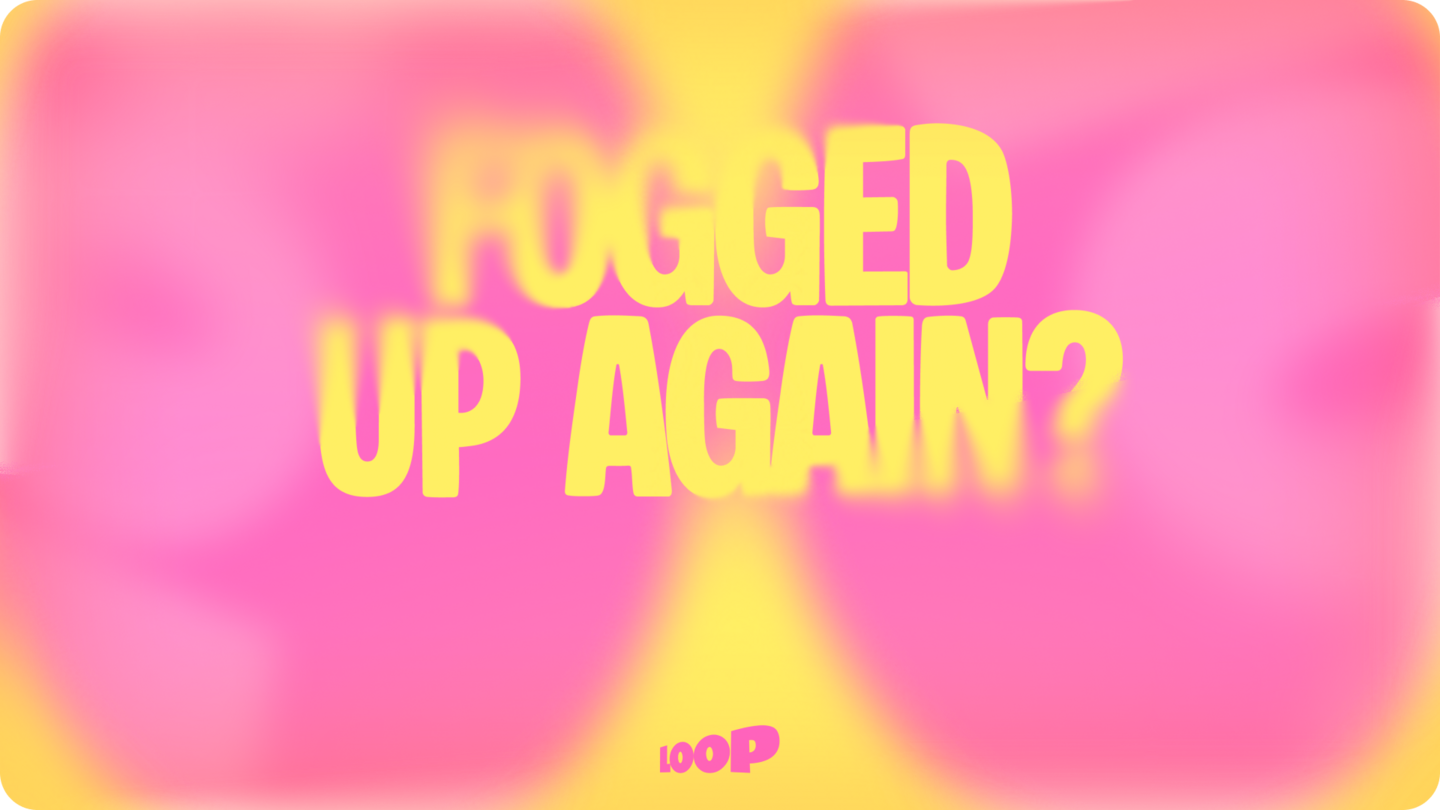
Blur, softness, and controlled contrast become visual metaphors for visual noise and its reduction. By blurring most elements while keeping the eyes inside the glasses in focus, the identity communicates comfort, clarity, and adaptive vision without technical explanation.
The lines on Loop’s banners
We communicate with the user through the problem. Short, fragmented lines mirror moments of visual instability and interruption.
The text is intentionally concise and rhythmic:
«When seeing feels better»
«Glasses that suit anyone, anywhere and anytime»
«Do you see now?»
The visual identity was designed with promotion and distribution in mind. Its modular system adapts easily to different media channels while preserving brand clarity.