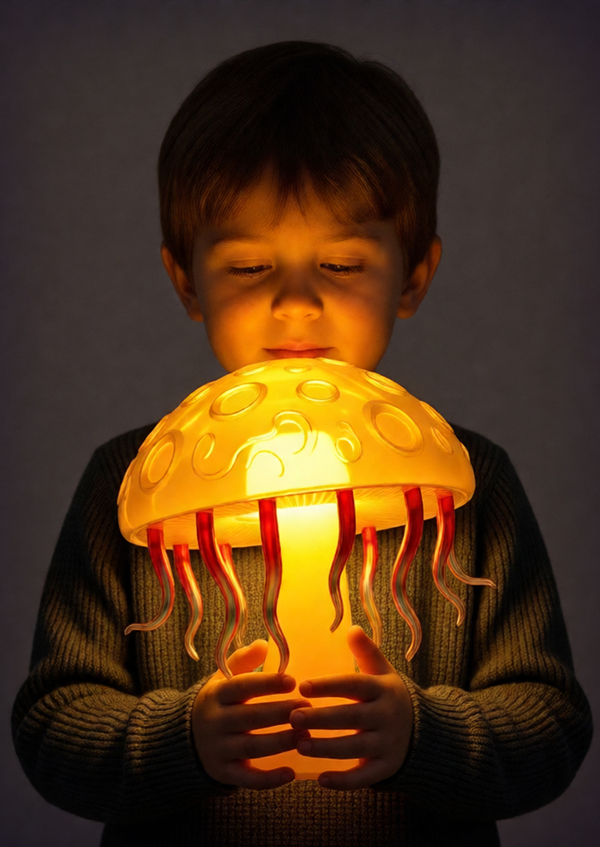
Concept
MushLume — a collection of children’s nightlights shaped like fairytale mushrooms.
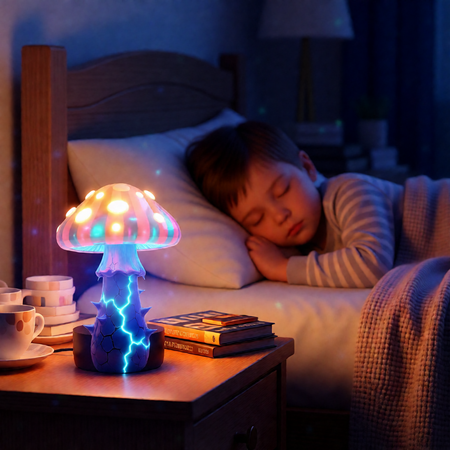
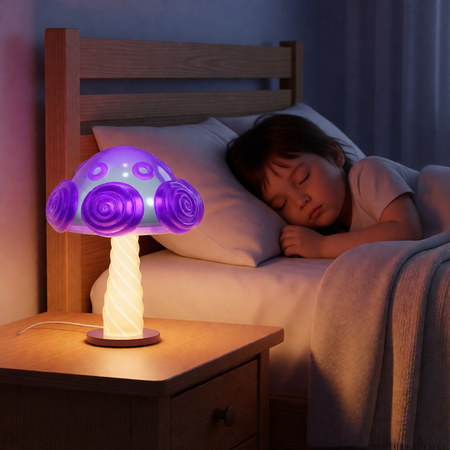
prompt: A night light sits on the bedside table; a sleeping child is visible in the background; the room is dark, and this night light glows with a warm light
Each luminaire brings coziness, inspiration, and safe light for children’s dreams.
MushLume lamps are a union of forest magic and contemporary design. These nightlights transform a child’s room into a magical meadow, transporting the child into a fairy tale.
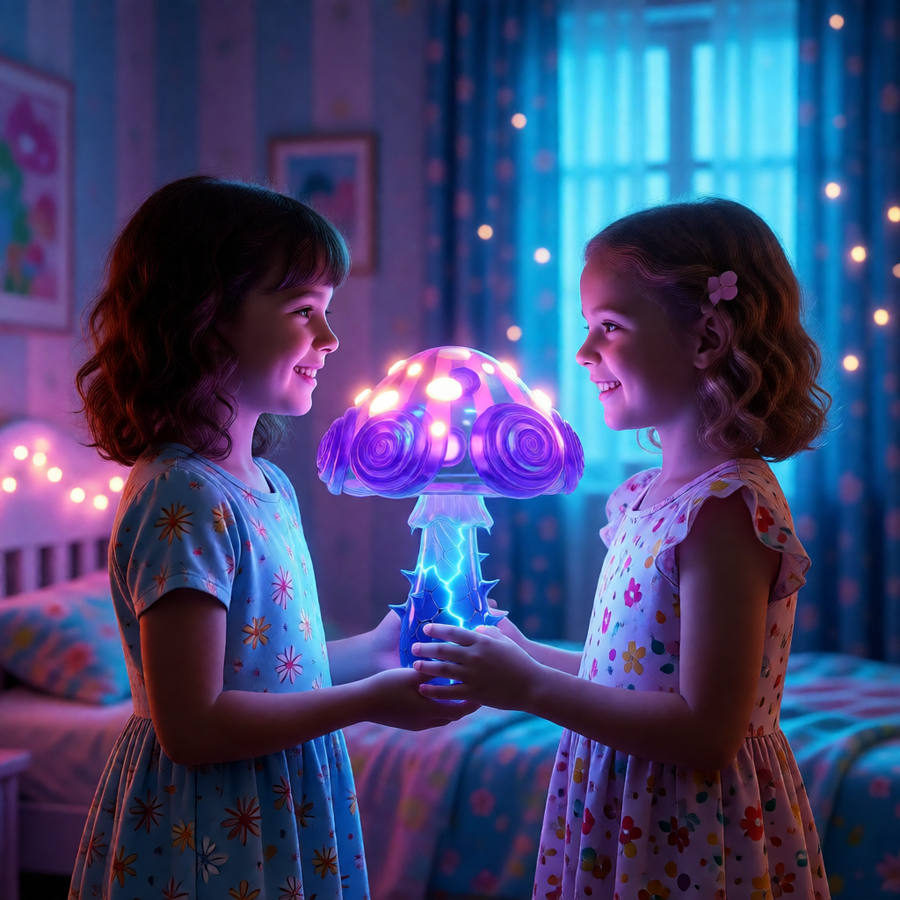
prompt: Two girls stand in the semi-darkness of the kids' room, holding the nightlight in their hands, smiling and looking at each other
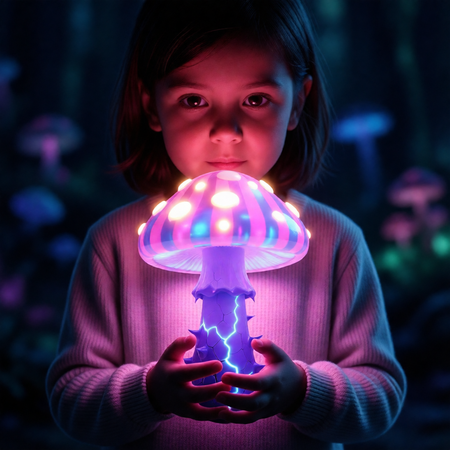
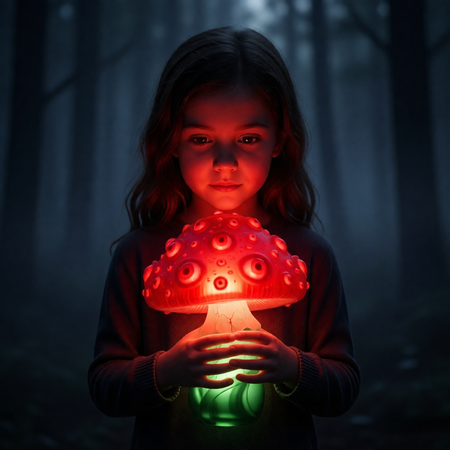
prompt: A girl is holding the lamp in her hands; it is dark around, and the object is glowing
Promotional Materials
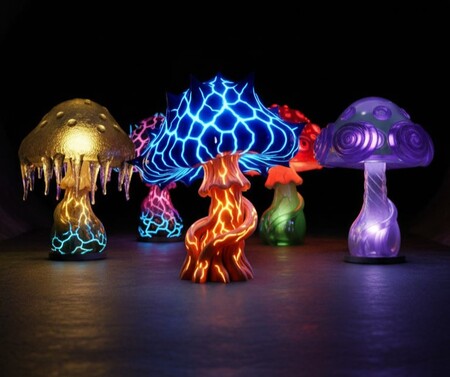
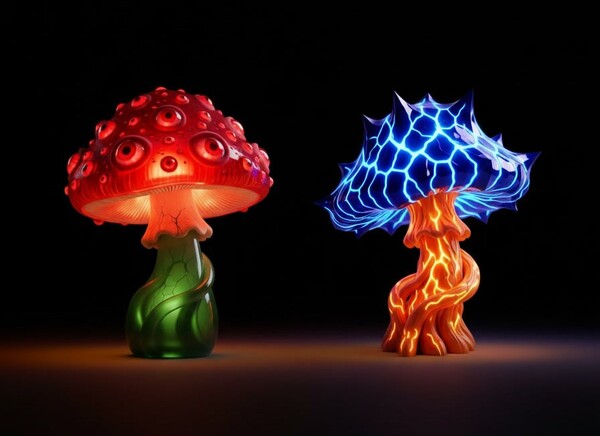
prompt: The objects stand side by side in the dark and glow
The series consists of five nightlight mushrooms in various colors and forms. This visual diversity will allow the child to choose the lamp that best suits their personality.
Nightlight Series
Promotional Posters
prompt: This mushroom night light glows with a bluish magical light, set against the backdrop of a fabulous forest filled with mysterious plants.
Promotional Posters
The Creation Process
In the first phase of the project, I developed the concept and core idea and refined it using Qwen. Subsequently, within this same neural network, I generated concept art of future night lights, which were later used as sketches to generate 3D models.
prompts: — Realistic 3D image of a night light shaped like a curved and fantastic mushroom. Several red-glowing eyes are present on the mushroom cap. The material is translucent and luminous. The image should be on a pure white background with no other objects. — Realistic 3D image of a mushroom-shaped night light; the mushroom cap should have pink and blue stripes, and the blue stem should feature scary spikes. The material is translucent. The background is plain white. — A mushroom-shaped night light featuring several caps of varying sizes—let the caps be spiral-shaped and purple—and the stem thin and straight. The material is translucent and luminous. The background is plain white. — Realistic 3D image of a night light shaped like a curved and fantastic mushroom. It should have an unusual and frightening form. The stem should be orange, and the cap should be blue. The image should be on a pure white background with no other objects. — Realistic 3D image of a mushroom-shaped night light. The cap should be yellow and translucent, resembling Macrolepiota procera, and the stem should be straight and unbranched. The mushroom should have iridescent red tongues, and there should be depressions and irregularities on the cap. The image should be on a pure white background with no other objects.
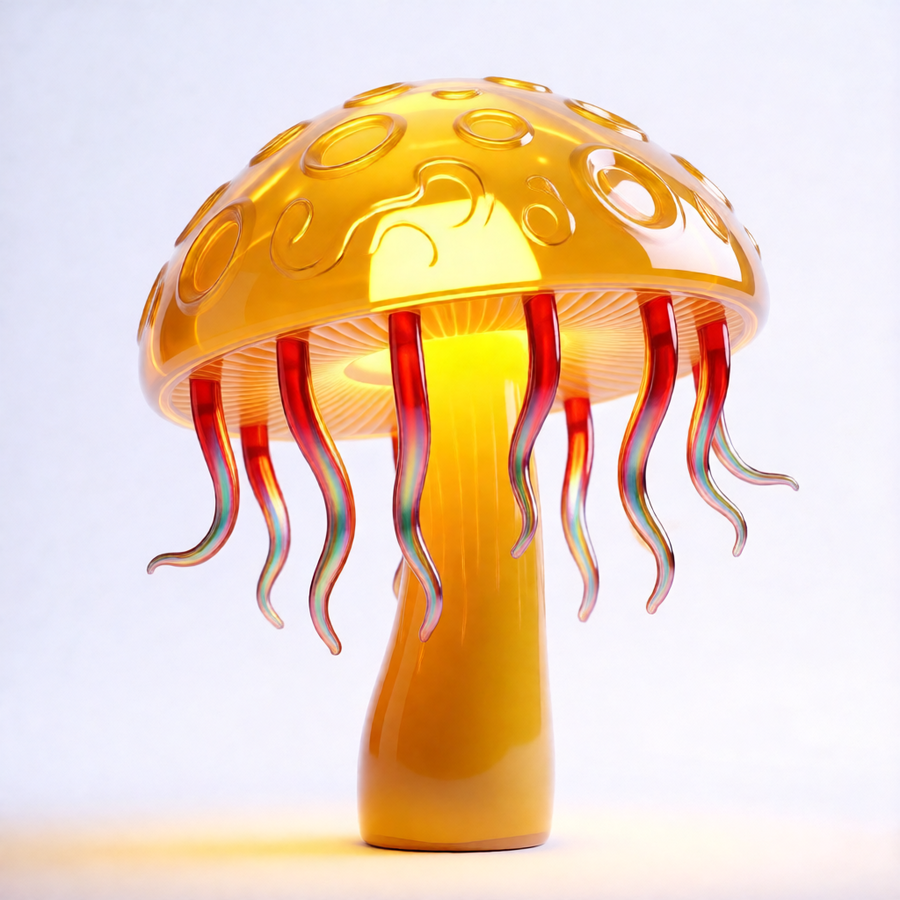
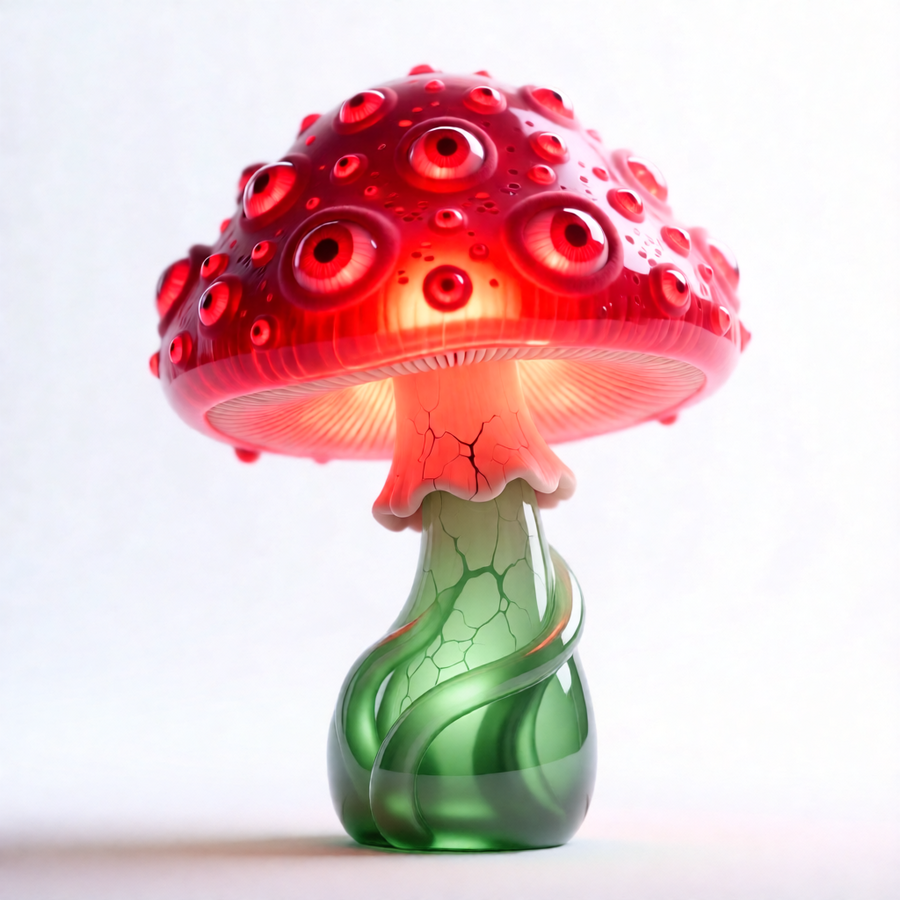
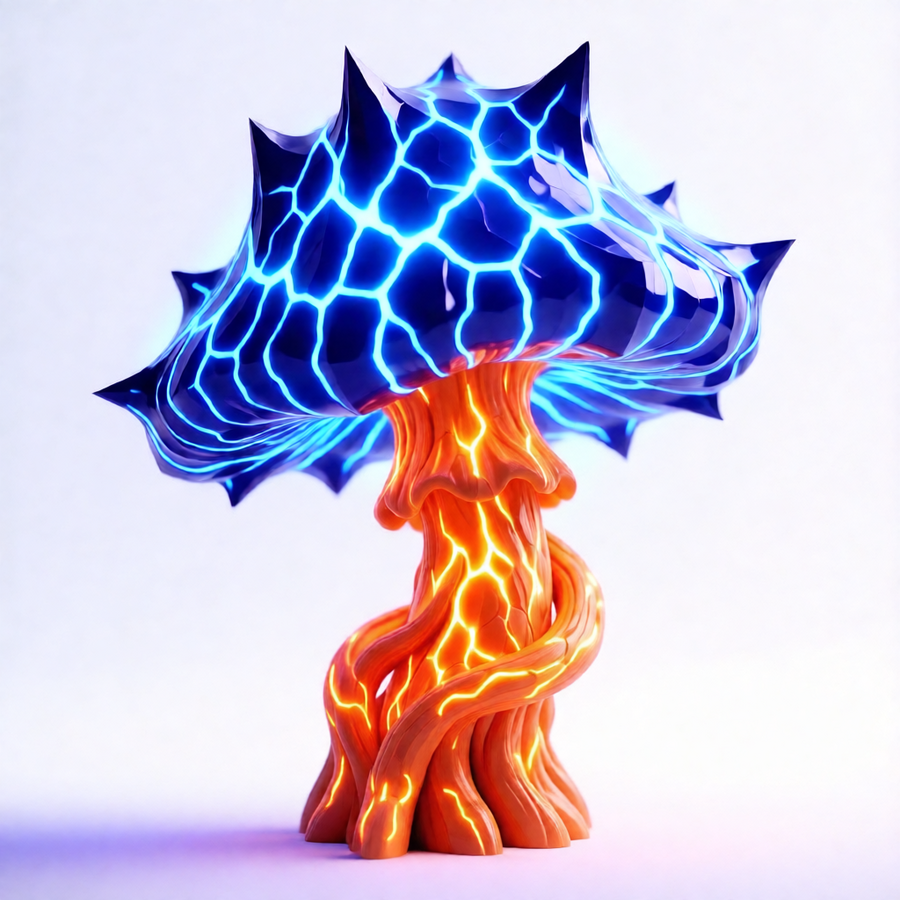
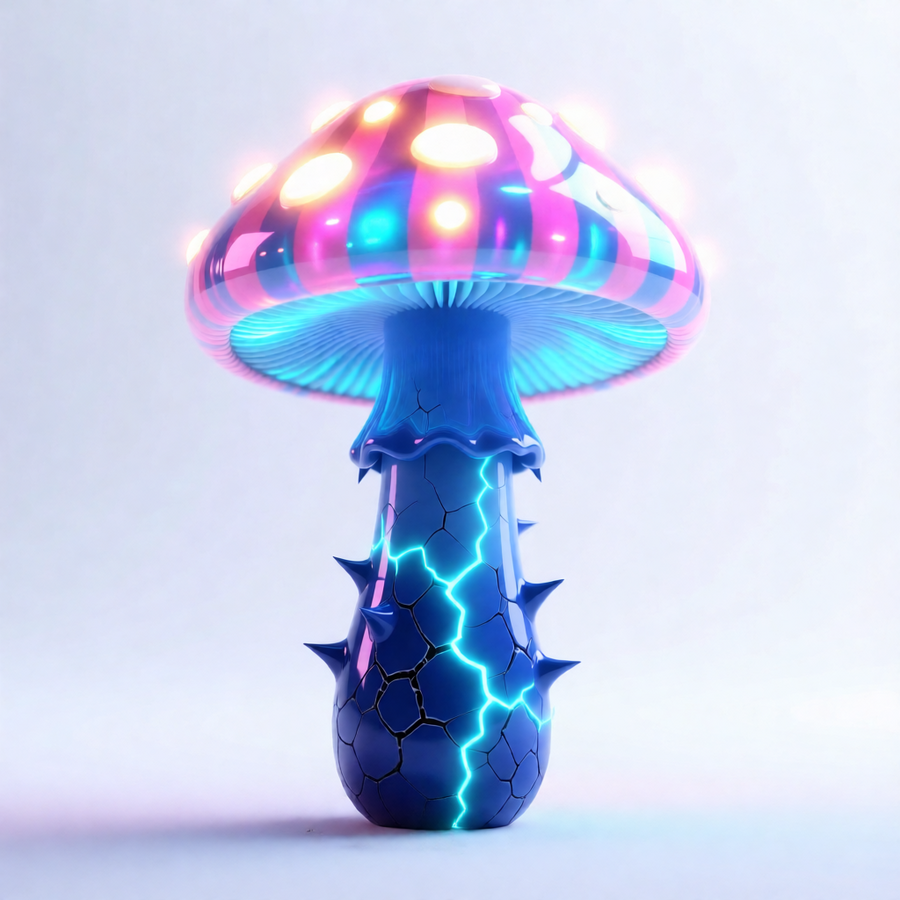
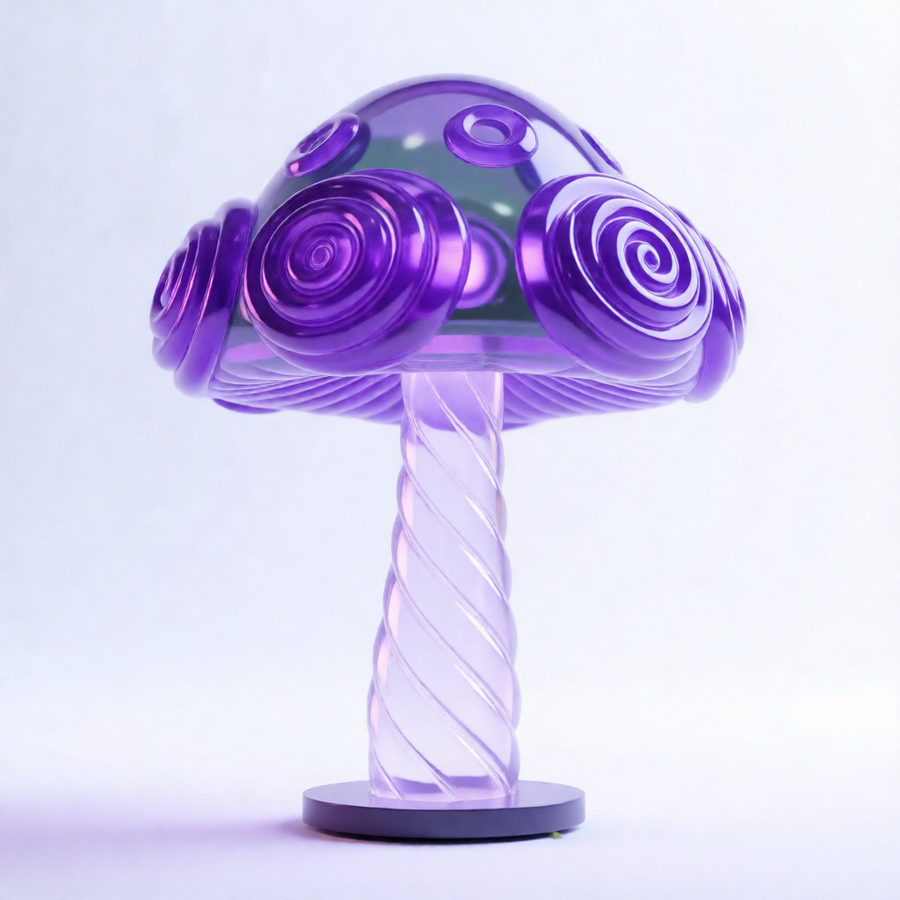
Nightstand concepts generated in Qwen
The concept art produced was further refined in Qwen and Leonardo.ai for the creation of promotional posters and marketing materials. The advertising posters were polished in Adobe Photoshop.
Qwen was also utilized to develop the product materials and formulate the technical specifications for model production, as detailed at the end of the project.
3D Models
Using the Hunyuan neural network, I generated 3D models of nightlights and downloaded them in STL format for testing in Anycubic Photon Workshop.
Generated 3D model
Generated 3D model
Generated 3D Model
Generated 3D Model
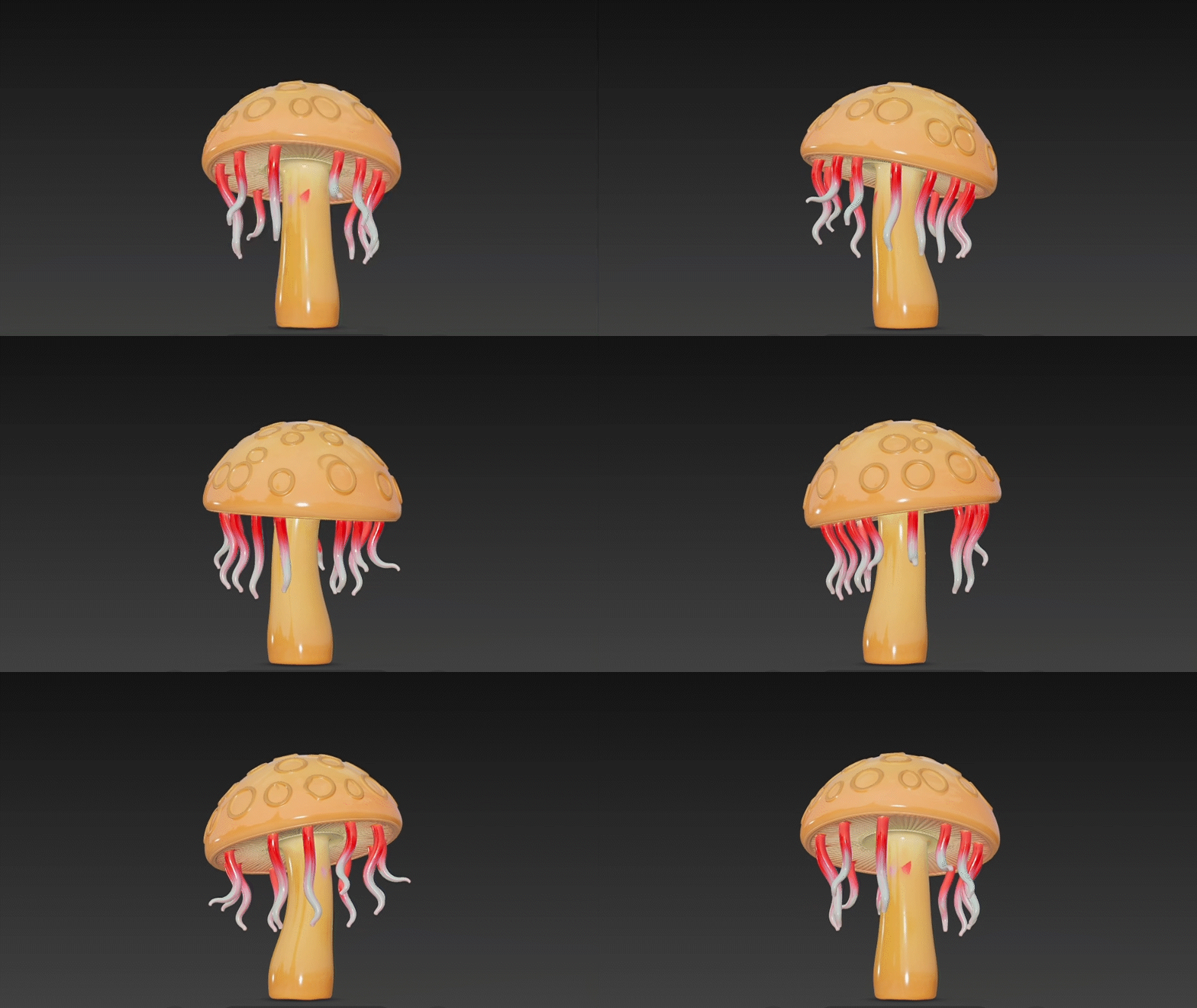
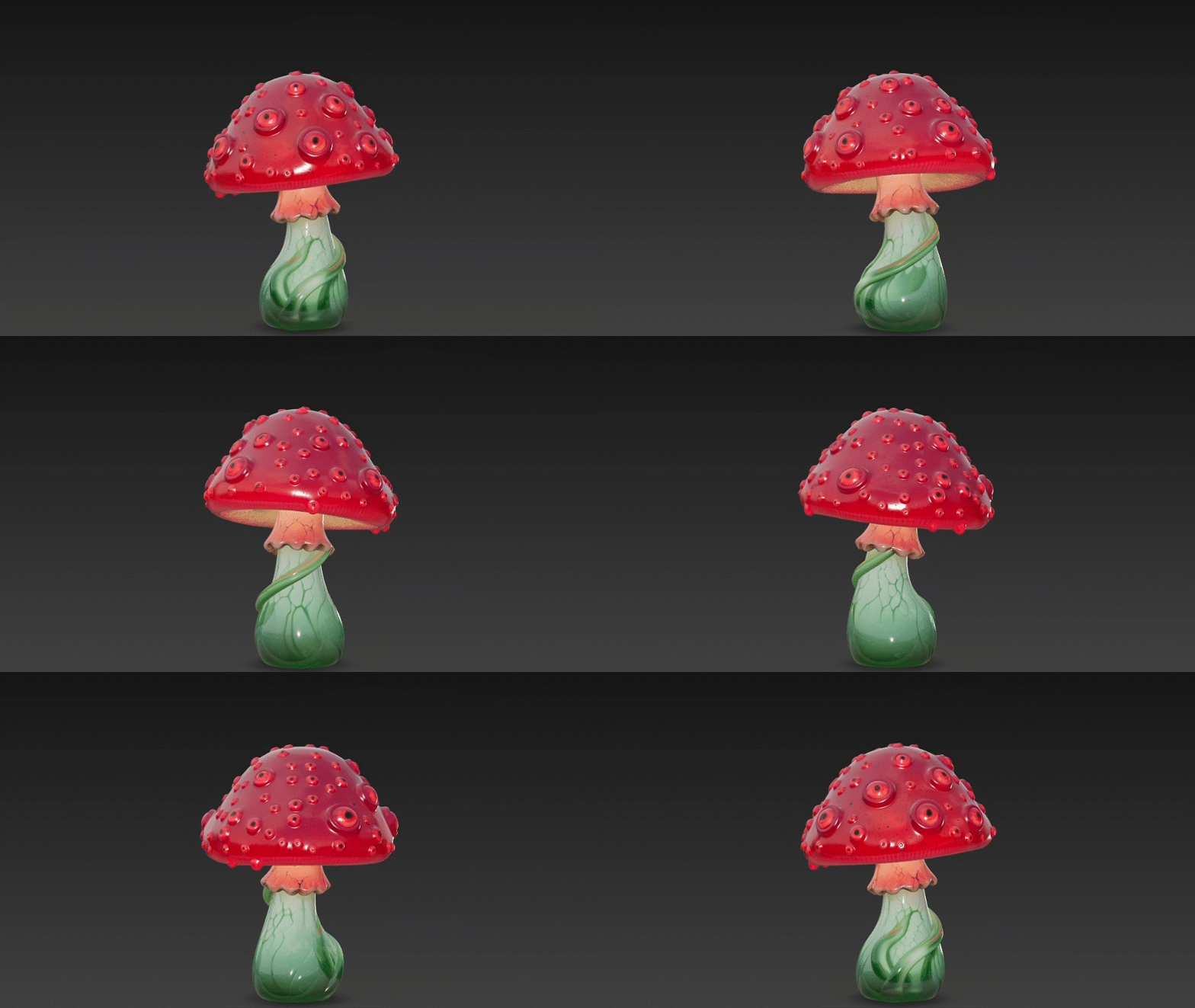
Generated 3D Model
Generated 3D model
Generated 3D Model
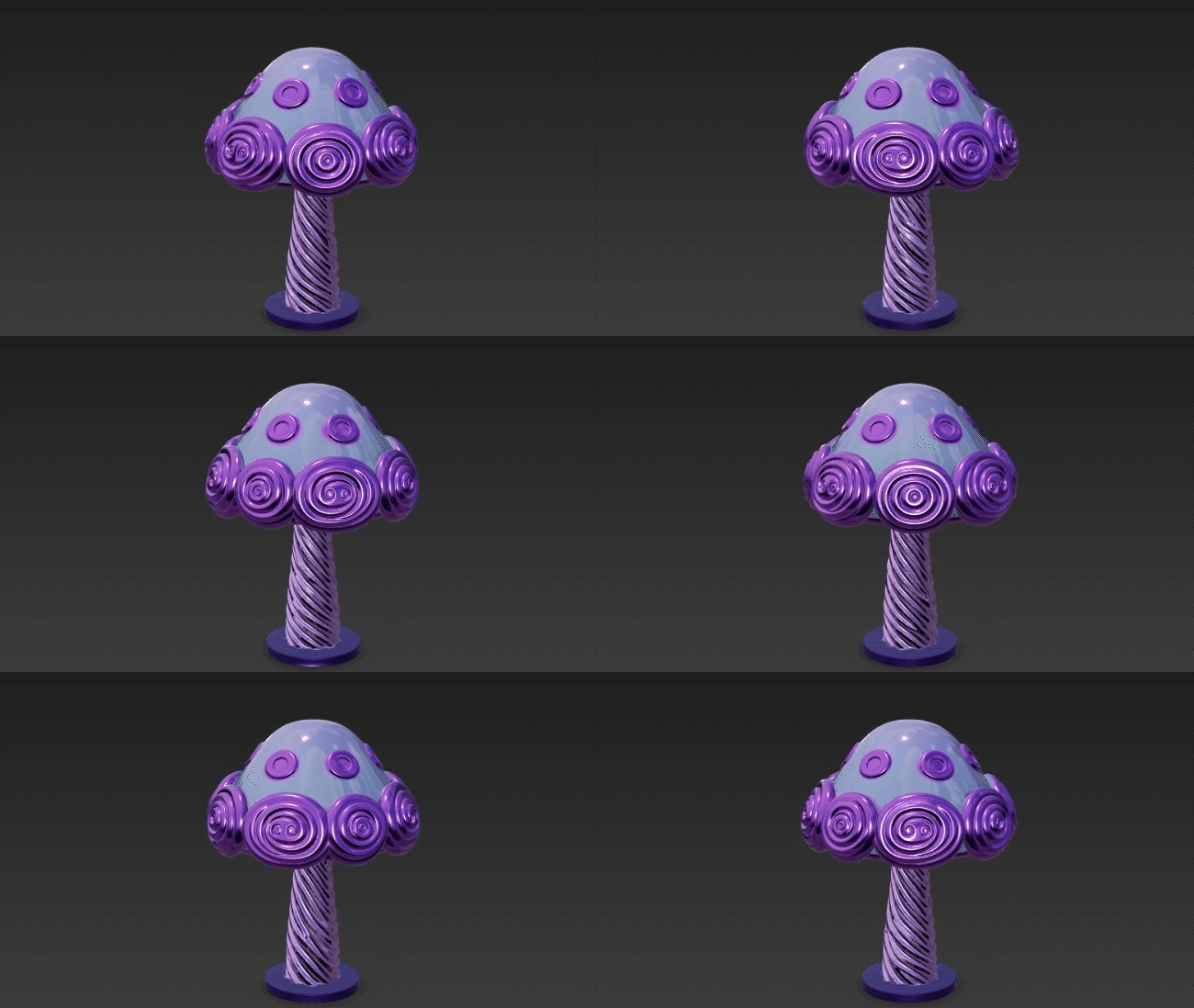
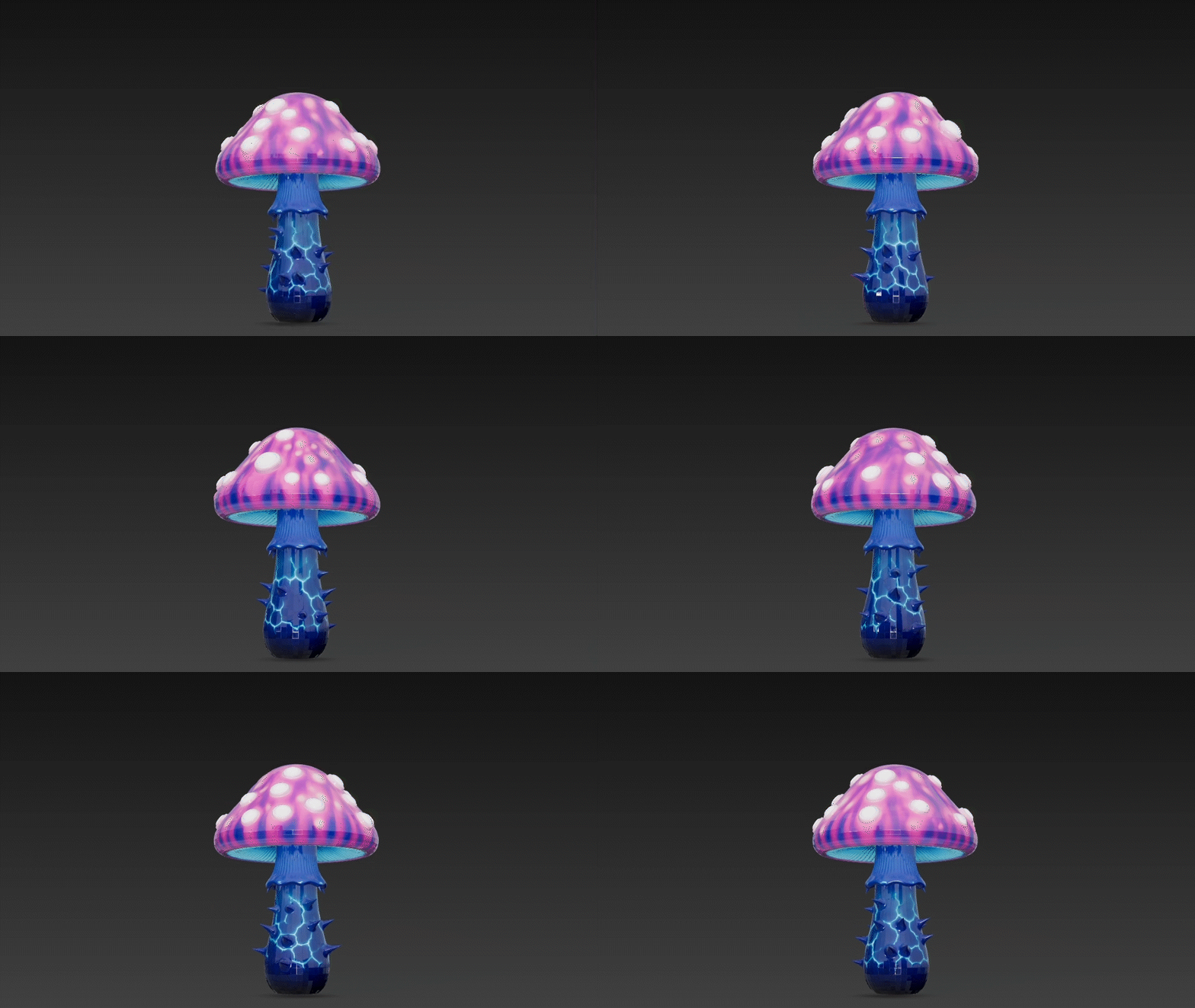
Generated 3D Model
Production Requirements Document
Printing Technology Utilize high-precision FDM (Fused Deposition Modeling)—a Z-axis step of no more than 0.1 mm for a smooth surface and sharp details. If necessary, use soluble supports (PVA) for complex overhangs (e.g., the spiraled edges of the caps). Overhang angle: < 45° without supports. Printing temperature and bed heating—strictly follow the manufacturer’s recommendations for the chosen material.
Material Specifications Primary material: translucent PLA Additional (for cap patterns): Mixing with phosphorescent PLA—to achieve a afterglow effect.
Product Parameters Height: 25 cm Wall thickness: 1.2–2.0 mm Electronics channels: In the mushroom stem—a through-hole of Ø ≥ 8 mm for wire placement. Inside the cap—a niche for mounting the LED board. Mounting slots/latches to secure the light source. Weight: ≤ 200 g per unit
Post-Processing Removal of support marks Light sanding with fine-grit sandpaper (P400–P800) Wiping with isopropyl alcohol—for degreasing and surface cleanliness. Internal matte finishing with UV-stabilized matte acrylic spray (for soft light diffusion without loss of brightness). Hand-painting with non-toxic fluorescent/phosphorescent paints.
Quality Control Visual inspection of every unit: Absence of cracks, bubbles, or overheating; Uniformity of transparency and wall thickness; Smoothness of lines, absence of «stair-stepping.»
Functional testing: Installation of a sample LED module—checking for uniform glow and absence of «dark spots»; Testing compatibility with the light source (gaps, fixation, heat dissipation).