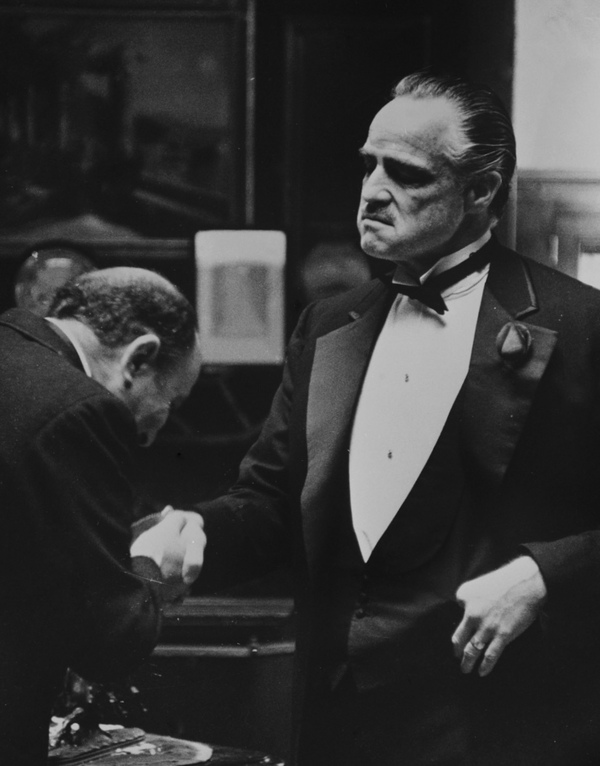
Concept
Classic Hollywood established a visual storytelling system based on clear composition and continuous action. Lighting helped highlight significant details, editing maintained spatial and temporal sequence, and camera movement primarily served the plot’s development. However, in the late 1960s and 1970s, these principles began to be reevaluated. Societal changes and the influence of European cinema fostered the experimentation of New Hollywood.
The research hypothesis is that new American cinema did not abandon the classical visual language but rather expanded its possibilities. Composition, lighting, camera work, and editing became responsible not only for conveying plot clarity but also for constructing autonomous meanings. Furthermore, there was no singular style; the documentary texture could coexist with carefully constructed artistic stylization.
The research is structured around five aspects of visual transformation rather than chronology.