Every day, a person working with visuals encounters a vast amount of visual information: projects, exhibitions, books, archives, photographs, brand identities, films, objects, trends, and random discoveries from the internet. The problem is no longer about finding more content, but about how to distinguish what is truly interesting within this flow and understand where to look next. How do you transform an endless stream of visual information into a comprehensible cultural map?
«Oh, look!» — media that selects what demands attention and charts unexpected paths between discoveries. It’s not just about what to see, but what to notice, how it connects, and where to go next.
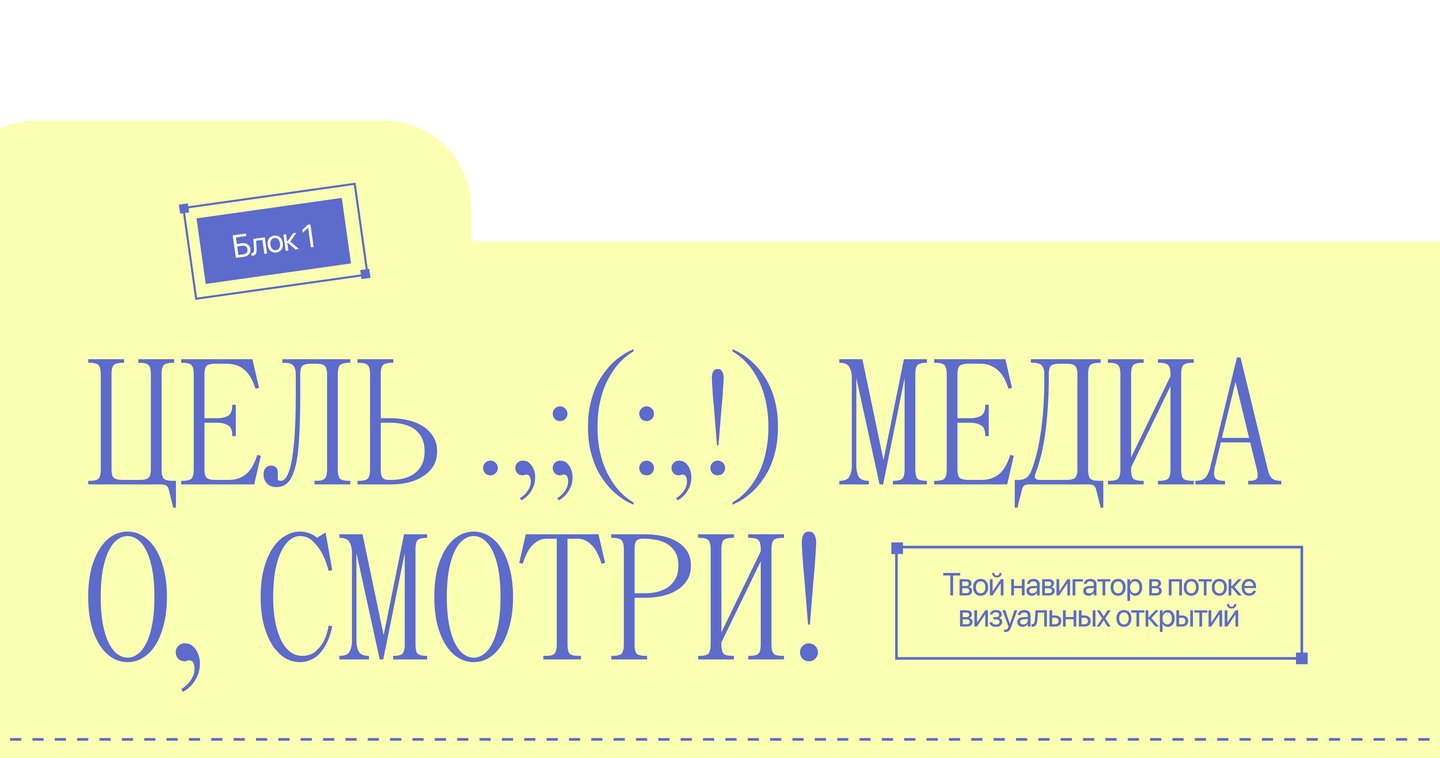
To help people working with the visual navigate modern visual culture and discover new points of interest within it.
«Oh, look!» gathers design, art, photography, fashion, books, exhibitions, visual archives, and everyday observations within a single information space. The medium reduces the time spent on independent searching and transforms disparate findings into a map of visual culture, from which you can move forward—from one project to another author, era, event, book, or visual phenomenon.
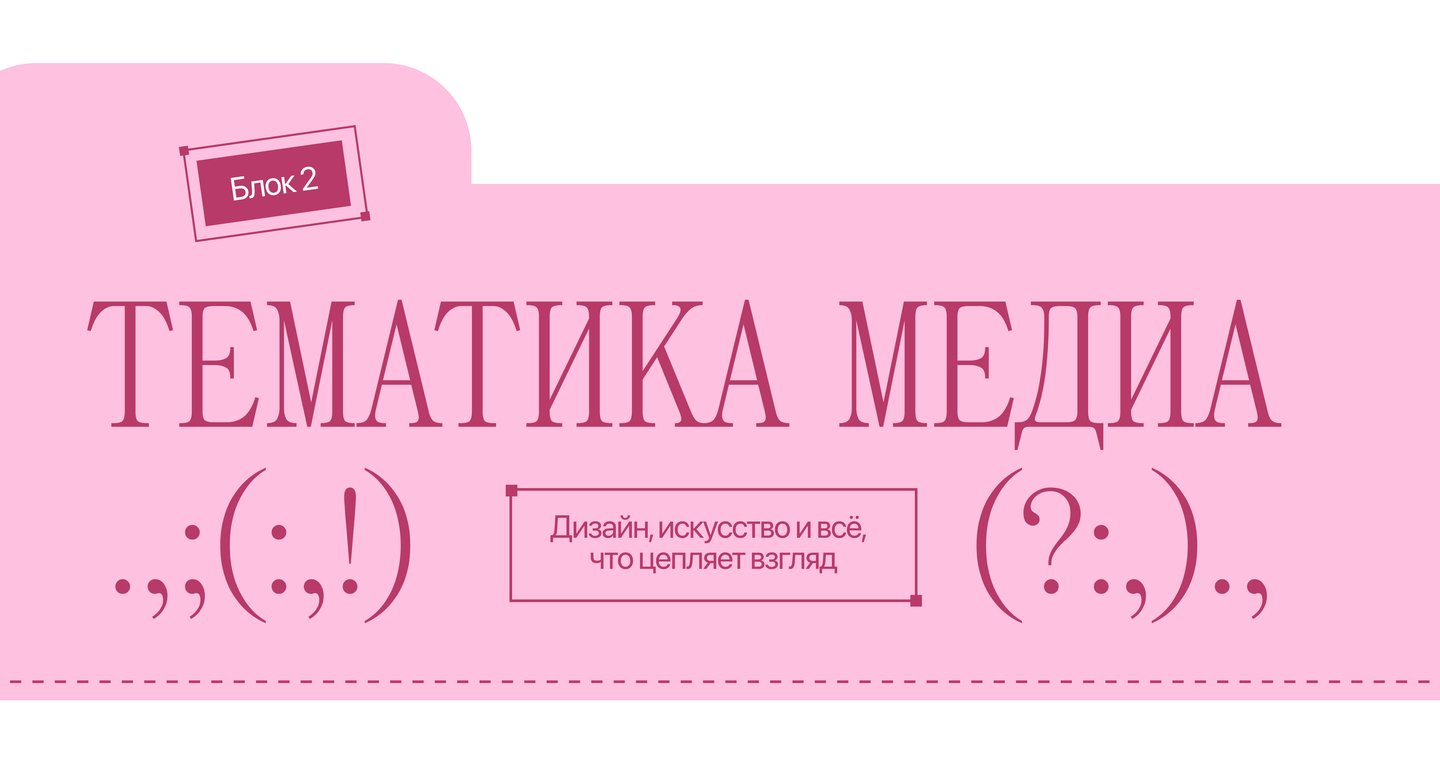
SEGMENT
Cultural and Design Media.
The project sits at the intersection of media about design, art, visual culture, and cultural leisure.
NARROW FOCUS
Navigation through visual culture for individuals who work professionally or consistently with visual media.
The focus is not on a single discipline, but rather on what currently shapes the visual environment surrounding the creative person: design projects, exhibitions, books, photography, fashion, film, archives, objects, visual trends, and new artists.
CORE MEDIA PRINCIPLE
Not just displaying interesting individual objects, but contextualizing them and establishing connections between them.
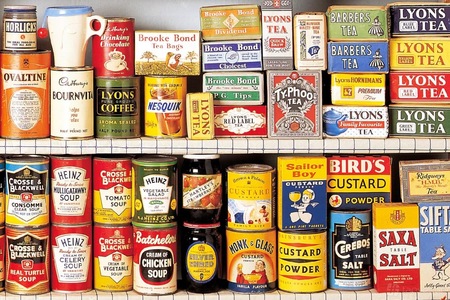
A single contemporary project can evolve into 1980s Japanese packaging, a techno-festival poster, an artistic archive, or a website interface—provided there is a substantive or visual connection between them.
How Does «Oh, Look!» Work?
The content is built around four simple actions:VIEW Projects, identities, books, photographs, objects, archives, and other visual discoveries.GO Exhibitions, festivals, lectures, markets, workshops, and other events that might interest someone working with visuals.DISCOVER Books, films, magazines, websites, essays, archives, and other resources for further exploration.NOTICE Non-obvious connections between objects from different eras and disciplines.Thus, the main logic of the project emerges: FIND → NOTICE → CONNECT → PROCEED
Content Formats
OH, LOOK! A brief visual discovery: a project, object, book, photograph, identity system, or artist that you want to revisit.CONNECTED A signature media format. Several items from different fields are linked into a single visual narrative. For example: what do Japanese packaging from the 1980s, a techno festival poster, and a modern interface have in common?WHERE TO GO An editorial guide to exhibitions, festivals, lectures, and workshops. Not just a list of events, but a brief answer: why someone working with visual culture should attend, and what to pay attention to.WHERE TO LOOK NEXT A book, film, archive, website, essay, or artist that continues the theme of the previous material.BEFORE IT BECAME A TREND A contemporary visual phenomenon and its unexpected predecessors.
The project’s competitive landscape is not limited to design media alone.
«O, Smotri!» competes for user attention alongside independent Telegram channels, educational projects, cultural media, and platforms that help users search for visual inspiration and navigate the creative industry.
Therefore, the competitors are divided into three groups: Direct—those that cover similar topics and target audiences; Indirect—those that satisfy the same need through a different approach; Potential—projects that already possess a substantial creative audience and content infrastructure and could occupy a similar space.
Analysis Criteria
1. Thematic Field What the project addresses and how broadly it connects design, art, and culture.2. User Value Why a person returns: to find inspiration, learn something new, discover an event, gain knowledge, find an artist, or save a reference.3. Curation Principle Does the media function as a news feed, an editorial selection, an educational resource, or a curated navigation system.4. Formats News, collections, cards, digests, long-form articles, event listings, interviews, visual breakdowns, and other mechanics.5. Material Interconnection Are the materials standalone pieces, or does the media establish connections between disciplines, eras, and objects.6. Tone of Voice Expert, journalistic, personal, educational, ironic, or conversational.7. Visual Presentation How the project handles imagery, categorization, and the recognizability of content in the feed.
Direct Competitors
Direct competitors are Russian-language media and channels that focus on design, art, and visual culture, and appeal to a similar creative audience.
«New Visual Literacy» This is one of the closest media outlets to the thematic field: the project positions itself as a medium dedicated to visual culture, art, design, and creativity. The channel features visual selections, tools, projects, events, and materials for designers; the authors also emphasize that it is important not only to look but also to analyze and share. Strength: a dynamic visual stream, a wide range of topics, and a well-established community.
«Pole» «Pole» positions itself as a magazine covering design and culture. Its thematic scope is very broad: graphic and product design, art, fashion, design history, news, trends, authors, job openings, and selections. Strong point: editorial depth and scale—ranging from short news items to historical and analytical features.
«Nifigashechki» An author’s channel featuring strong curatorial vision: art, graphic design, books, photography, identity design, and unusual visual objects. The content is built around the author’s personal selection and reactions; the sections allow exploration across art, editorial design, photography, and branding. Strength: A recognizable taste and the feeling of a personalized recommendation.
Indirect Competitors
Indirect competitors operate in neighboring thematic fields, fulfilling discrete audience needs—such as providing visual education, independent optics, or cultural content.
«hdesignldss» The project unites design, visual culture, and education. Its programs teach students to seek out material for ideas beyond the obvious, to see more in references, and to translate those findings into their own visual solutions. Strength: Systematic engagement with visual language and a robust educational focus.
«Irrational Preferences» A channel by Creative Director Katya Sikacheva, where design and visual projects become a reason for personal observations, professional reflections, and discussions about the creative process. Strengths: Distinct authorial voice and professional introspection.
«SRSLY» Thematicially, this is not a design media outlet, but rather a media platform focused on pop culture and life both online and off. It is significant as a competitor for cultural attention: the project combines timeliness, editorial perspective, and irony, adapting content for various platforms rather than simply duplicating it. Strengths: contemporary media presentation, a distinctive Tone of Voice, and the ability to transform the cultural agenda into shareable content.
Potential Competitors
Potential Competitors — projects that share a similar audience and have a developed content infrastructure, which already operate within our thematic area and could expand into cultural navigation.