Navigation
1. Concept
2. Rococo
3. Gothic
4. European Theatre
5. References to Contemporary European Culture
6. Conclusion
Concept
Visual Kei is a genre of Japanese music that emerged in the 1980s, during a period of strong Western influence. Therefore, this movement developed at the intersection of Japanese and European cultures. Glam rock, metal, and punk—which were popular in the West—were warmly embraced by Japanese youth. Already inspired by international idols, they began developing their own alternative culture. Japanese rock bands adopted not only the loud and aggressive sound but also the outrageous imagery of musicians, transforming it through their own perception. Regarding ideology, although Japanese rock embodies a symbolism of rebellion, it conveys the cultural meaning and the artists' drive to create a performance or a work of art far more than it protests. At the core of Visual Kei is the symbiosis of music and theater, along with visual metaphors. The name «Visual Kei» (Japanese: ヴィジュアル系) literally translates to «visual style, ” which captures the essence of this genre: artists express their identity not only through music but also through their appearance. Consequently, live band performances resemble theatrical productions, and music videos resemble short films.
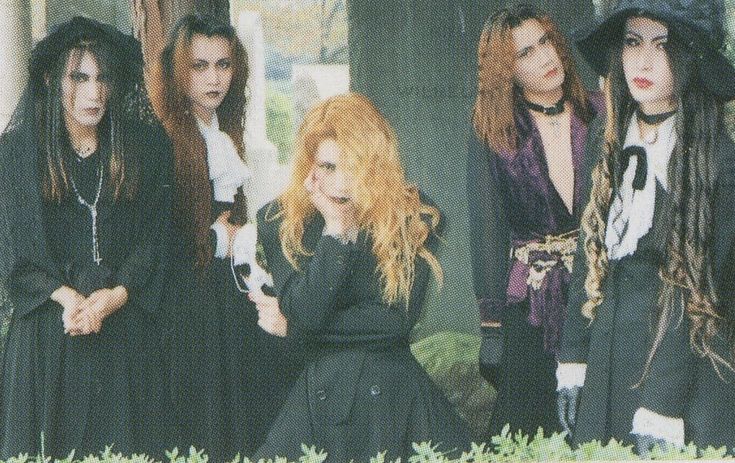
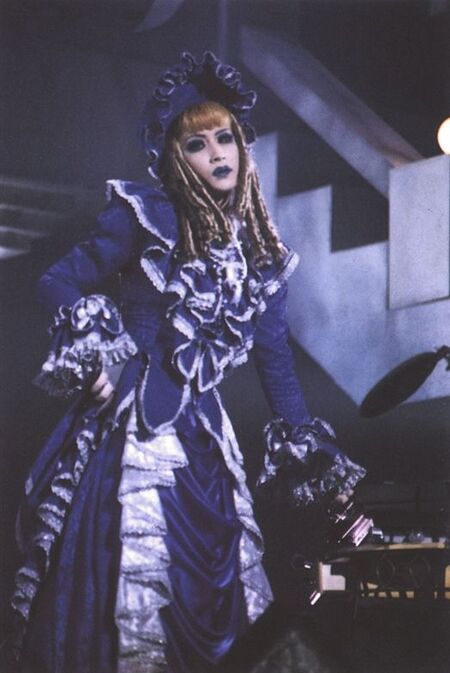
Malice Mizer is one of the most well-known and influential bands of the visual-kei second wave. They were among the first to promote the aesthetic of European aristocracy and Gothic style in their visual presentation. The band’s leader, Mana, often appeared on stage in feminine personas, using striking doll-like makeup, and wearing dresses, wigs, and high heels. This approach to wardrobe selection is rooted in the visual-kei concept of human androgyny—the creative impulse matters most, and gender should not restrict the artist. The musicians adopted the personas of 18th-century European aristocracy, which stood in contrast to the Japanese cultural values of modesty and diligence. The lifestyle of a leisurely aristocrat is in complete opposition to the typical Japanese middle-class worker, who is forced into overwork.
The relevance of this research topic is justified by the increasing popularity of the visual-kei genre in Russia and globally, as well as the popularity of Gothic and Catholic themes in popular culture. Analyzing the visual image of the group as a cohesive text allows us to trace how European culture is reinterpreted within Japanese popular culture.The originality of this work lies in systematizing references to European culture in the band’s imagery across different eras and styles. The group’s visual style is examined from the perspective of how Western culture is perceived through the lens of Japanese mentality.The European references in the Malice Mizer image do not replicate a specific historical era; instead, they create an «imaginary Europe» mediated by Japanese pop culture. The evolution of the image—from Baroque-Rococo fantasy to Gothic-Victorian gloom—reflects a shift in the group’s artistic concept.
French Fashion. The Aristocrat’s Image
With the release of the manga «The Rose of Versailles» in the 1970s, 18th-century French aesthetics burst into Japanese pop culture. The image of the aristocrat was frequently quoted among visual kei bands, and Malice Mizer was no exception. Between 1995 and 1998, band members often adopted Rococo-era costumes, dressing in both men’s frock coats and voluminous women’s gowns—a choice driven by the concept of artistic androgyny within Japanese rock.
Rococo presents a dualistic world: on one hand, it is a world of masquerade, zest for life, and frivolity; on the other, it is a world of unspoken narratives, wistful nostalgia, and detachment.
Promotional photo for the «Nocturne under the Moon» music video // Thomas Gainsborough Esteemed Mrs. Graham. 1775.
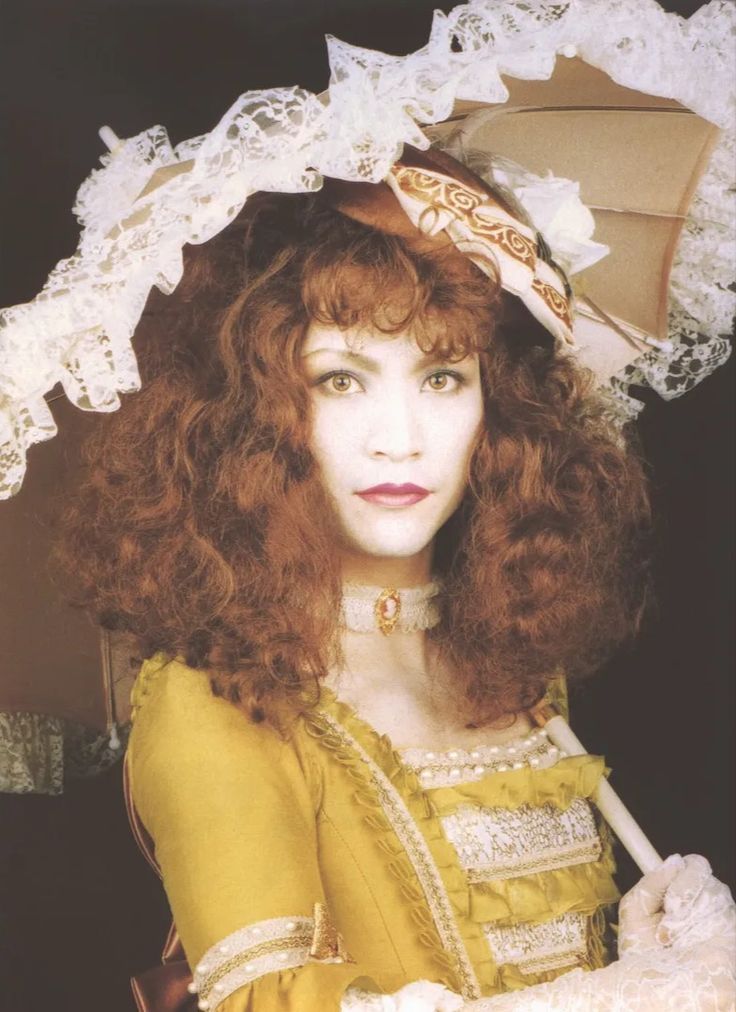
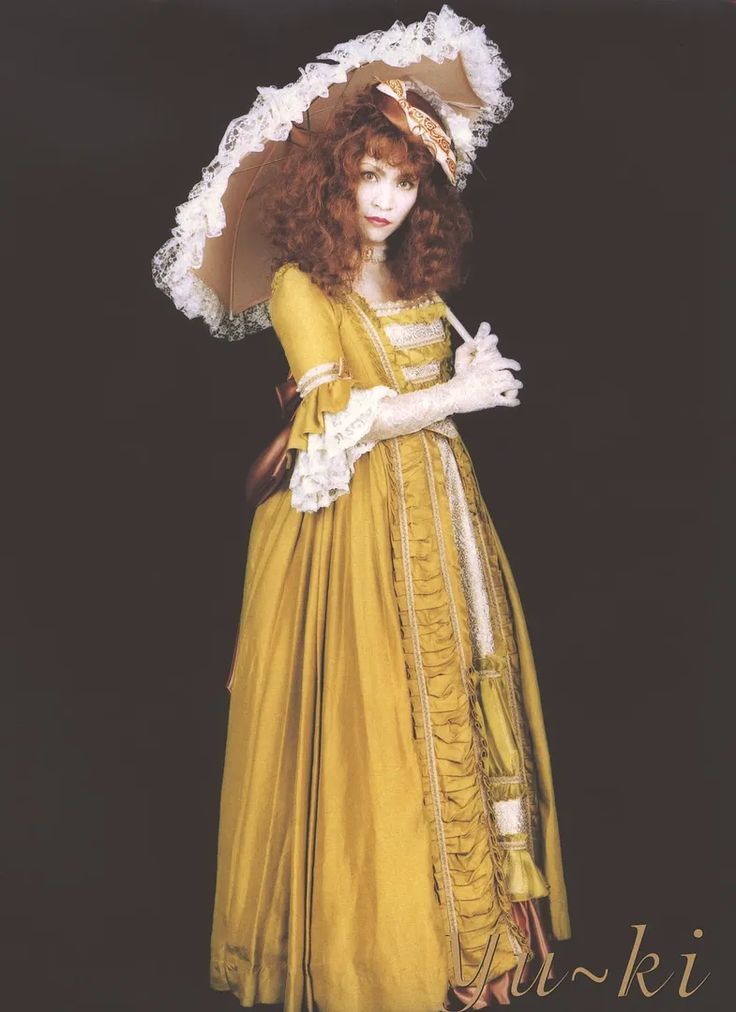
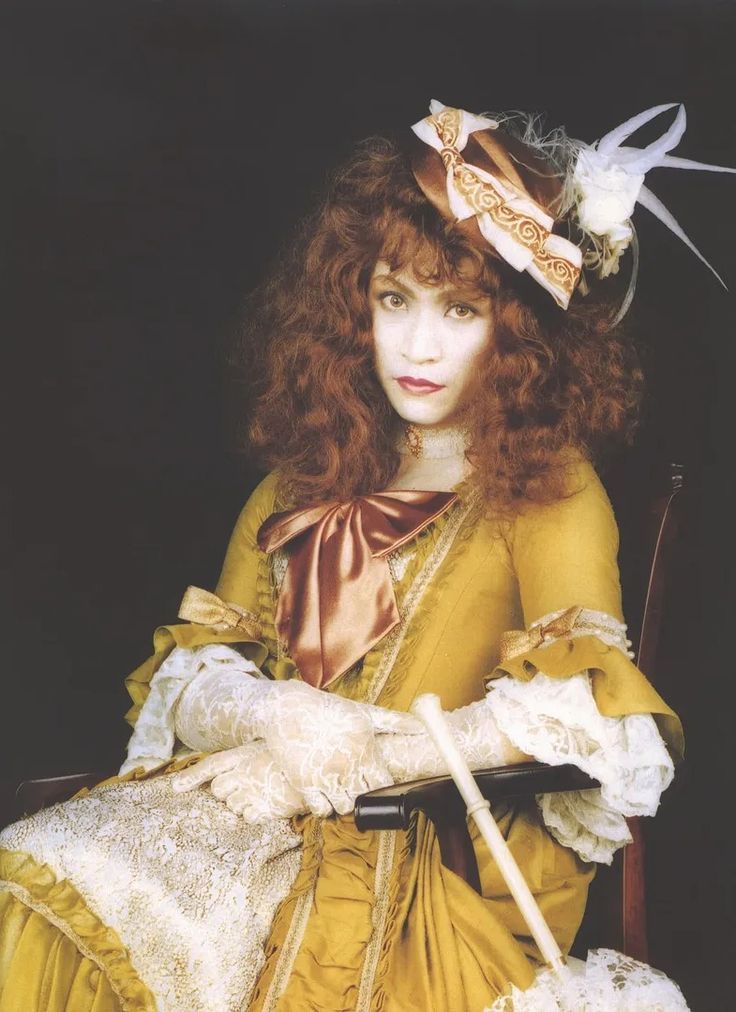
The group’s entire aesthetic during this period was infused with Rococo ideas—theatrical culture, a playful nature, and lightness and freedom. All of this is reflected in the photos and music videos.
To maintain the overall visual aesthetic, French titles for songs and albums were also used: «Voyage sans retour, ” „Au Revoir, ” „Merveilles, ” and „Le Ciel.“