PlayLab Foundry
Communication theory in design
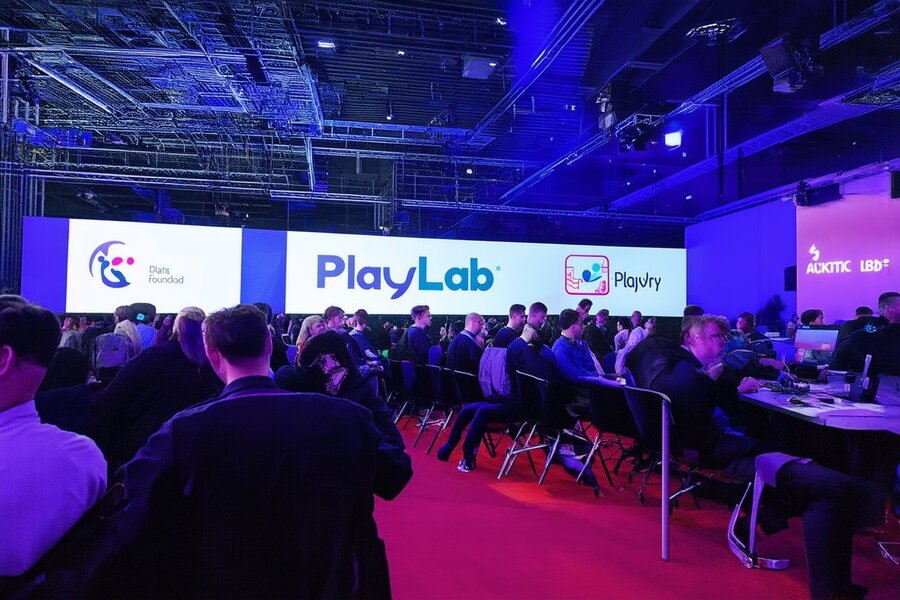
In modern society, communication is the most important tool available to humanity. Every day millions of people engage in the process of creating and interpreting a wide variety of messages. We communicate with each other, nature and technology, with the world around us, and the world communicates with us in return.
Communication has a few characteristics that are expressed in many aspects of our lives. This is especially noticeable in design, where colors and meanings speak to us without words.
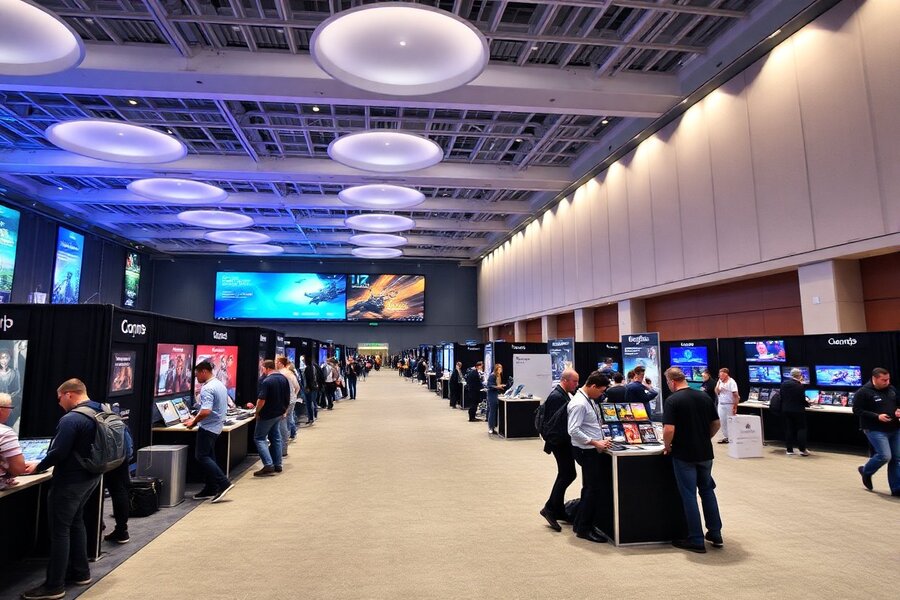
Verbal and nonverbal symbols are one of the key characteristics of communication. Design uses much more than just letters and words. Professionals often have to think visually to successfully attract attention and win over the audience.
Designers also utilize other aspects. For example, communication between design and user is always ongoing. A person looks at a company logo and makes certain conclusions, then the audience influences the company itself. Sender and receiver always emerge in communication, which is also one of key themes.
A sender’s messages always exist in a specific context and carry a meaning that is interpreted by the receiver. When creating this project, we aimed to create something meaningful. Our message should be read literally and visually, but most importantly it should be in contact with the audience.
This is how the PlayLab Foundry brand was born, with the core idea of constant communication in mind.
About PlayLab Foundry
PlayLab Foundry helps to organise communication between people in the gaming industry. The brand’s main feature is a creative lab that transforms game prototypes into real commercial products. Its unique feature lies in testing ideas within its own exhibition space, where the audience can interact with prototypes and provide feedback.
Our target audience is people involved in the gaming industry, particularly indie developers and the game jam community. A shared space allows them to connect with each other and promote their projects. Through constant interaction, developers can gather audience feedback immediately, in a live conversation.
The project also can be interesting to exhibition curators and museum staff, as location also greatly influences people’s motivation for communication. The more diverse the community interested in the exhibition, the more diverse its content becomes. This way people will always be able to find something to enjoy and have a good time.
The creative lab itself is a product created by gamers for gamers. Through constant communication, visitors can test new games, talk with developers, and observe the studio’s workflow. Players can directly support their favorite projects and contribute to the development of the industry.
The entire idea is aimed at uniting different people, different generations and different perspectives. Although the PlayLab Foundry is an exhibition space, everything it houses is explored in a live, relevant environment.
For different people the same object can be perceived as a nostalgic artifact, a piece of cultural heritage or a modern game, depending on the context. Players seek emotions, developers seek ideas, and the PlayLab provides them with what they need in a safe space that unites the audience with meaning.
Brand in details

Given that the product is being developed for a specific target audience, we considered their interests and relevant meanings when creating the brand style. To identify suitable aspects, we studied the Theory of Planned Behavior and developed a rough audience profile.
These are primarily people of any gender, aged 20-35, who are interested in video games or are developing them. They are creative and curious, with a desire to learn new things and promote interesting projects. These people value the company of others and respect the established atmosphere of the game development community.
Our brand is aimed at a specific mood and social context. PlayLab Foundry embraces futuristic ideas while maintaining a nostalgic atmosphere in the exhibition space. Most of the interested audience grew up playing video games, so this allows for an emotional connection to be built between the project and the people.
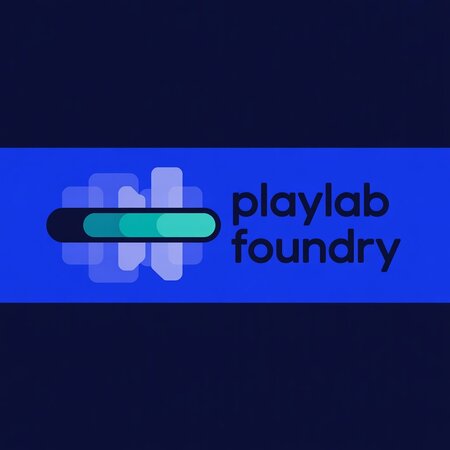
To connect the past and the future, we created a stylish minimalist logo in the form of a progress bar. This symbol embodies the prototyping process and the progress being made in the creative space. It also means the product’s development thanks to players who help by participating in playtesting.
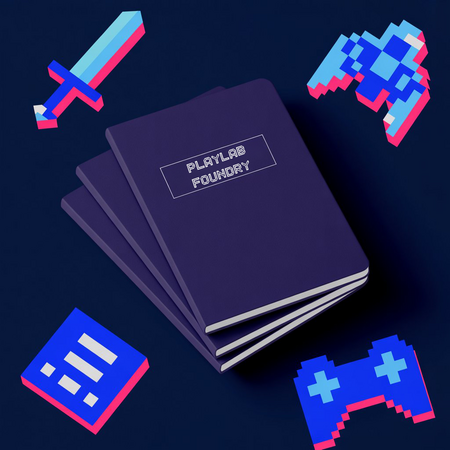
Brand merchandise should not only be relevant to the theme, but also be practical and help people define their identity within the group. Products include handy notebooks for writing down ideas and motivational posters that support a productive atmosphere and style the exhibition space. Personal items, such as access cards and themed bags, help express connection to the gaming community without words and can also highlight individuality.
Mokcups
Course basics
When creating the project, we focused on the key characteristics of communication and the socio-cultural tradition, which consists of three criteria: context, culture, and social practices. The brand is based on the importance of cultural context for a society that values it. Preserving old social practices and creating new ones only strengthens communication within the community, which is exactly what we were trying to achieve.
The course also helped us with brand direction, which in our case is focused on social identity and the groups of people who share it. Group communication is built with the exchange of information and symbols between members of society. This is the only way to maintain the context of identity and membership similarity, when the personal experience of each individual member of the group becomes an important step in communication.
Studying motivation in the course became another fundamental part of the work. People tend to label themselves and need to belong to certain groups, so this factor became key in developing the concept. In a group people strive for the same goals as others, and having a specific task positively influences their mental picture and helps with socialization.
By putting all these elements together we created PlayLab Foundry — a unique space for a friendly and creative gaming community.
The project is based on materials from the Communication Theory course.
Ideogram AI https://ideogram.ai/
StableCloth AI https://stablecog.com/
Leonardo AI https://app.leonardo.ai/image-generation