
Navigation Menu
Concept
CVC (2006–2016)
Liberty Media (2017–2026)
Sport as Entertainment
Social Media
Conclusion
Concept
Formula 1 was long considered a club for the elite—entertainment for wealthy motorsport enthusiasts—but everything changed with the advent of social media. Now, a significant portion of the audience is young people who have become interested in the championship thanks to posts on social networks. The example of Formula 1 clearly illustrates how the approach to marketing and promoting large-scale events and sports in general has evolved. The championship is no longer just a battle for the title; it is a vibrant spectacle that is fiercely discussed on social media, and the drivers are not just athletes but personalities whose lives millions of fans follow. The central question of this research is whether only the channels have changed, or if the logic of advertising itself has changed.
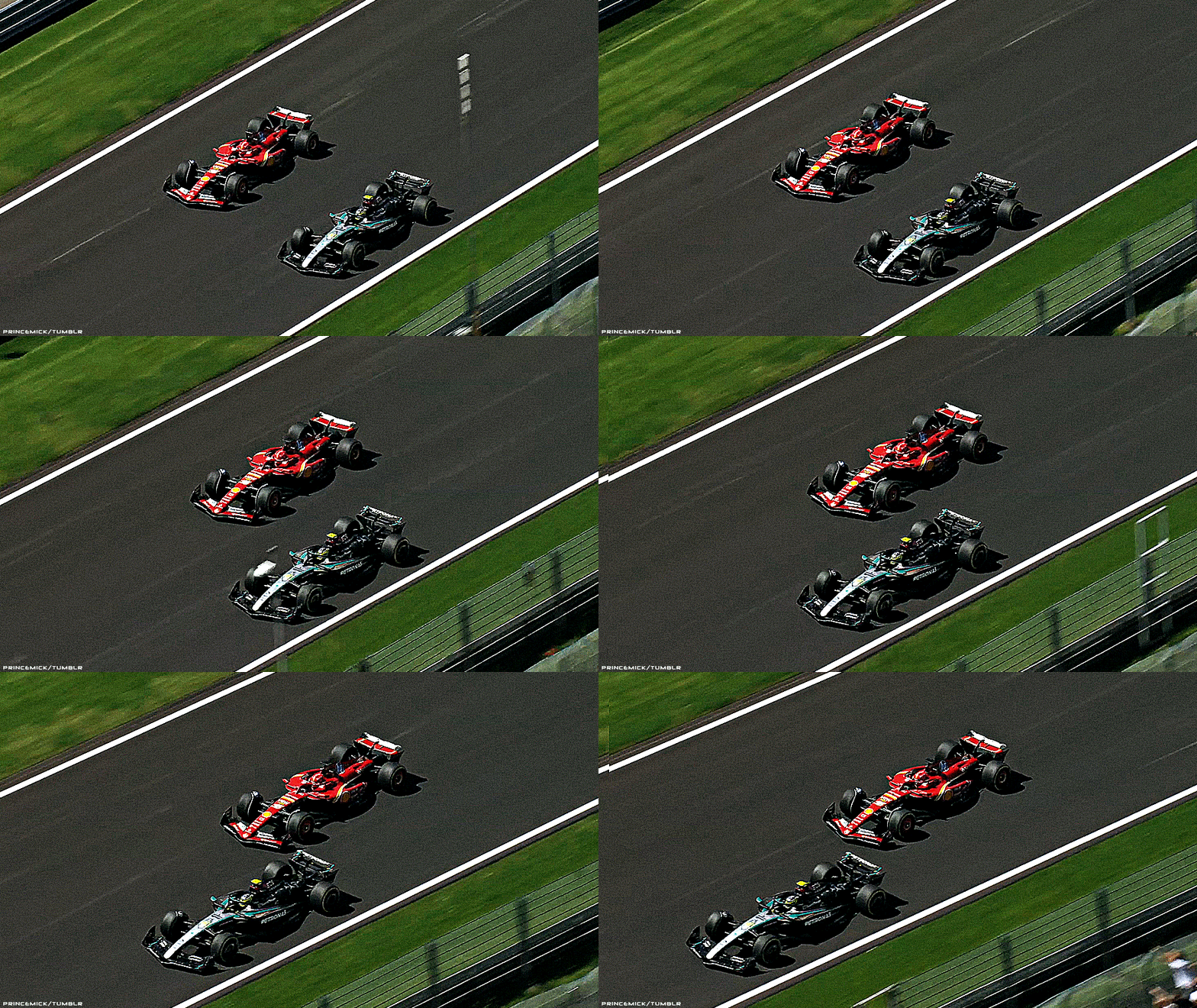
This study examines how the widespread adoption of social media has influenced the advertising strategy of Formula 1: from promotional platforms to brand positioning. We will compare the promotional methods used by CVC Capital Partners between 2006 and 2016 and by Liberty Media from 2017 to the present day. Examples examined include broadcasts, commercials, various media carriers, the positioning of teams and pilots, merchandise, and collaborations.
CVC (2006–2016)
«I’m not interested in tweeting, Facebook, or whatever this nonsense is.»