The central idea is to examine how objects possessing sacred or cultural significance were transformed into decorative items within 19th-century European colonial culture.
Rubricator:
1. Introduction. What is visual colonialism?
2. The sacred object and its original meaning
3. The removal of objects and the loss of cultural context
4. Exoticism as commodity and ornament
5. The museum’s view of a foreign culture
6. Form versus meaning
7. Conclusion. What remains of a culture without context
1. Core Subjects and Their Significance
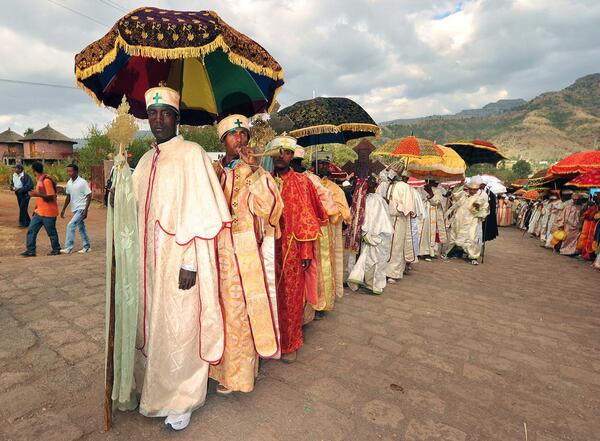
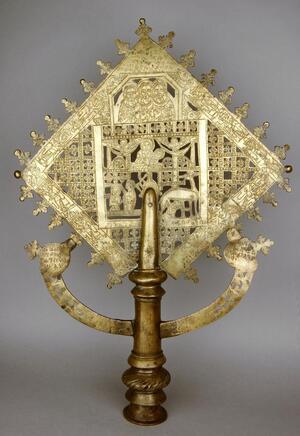
Ethiopian Religious Ceremony Ethiopian Church Cross
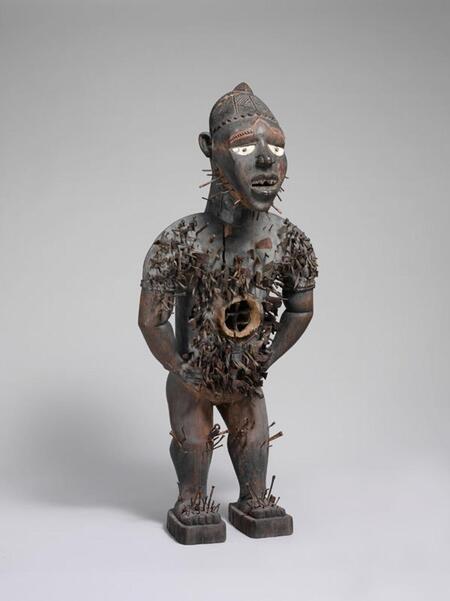
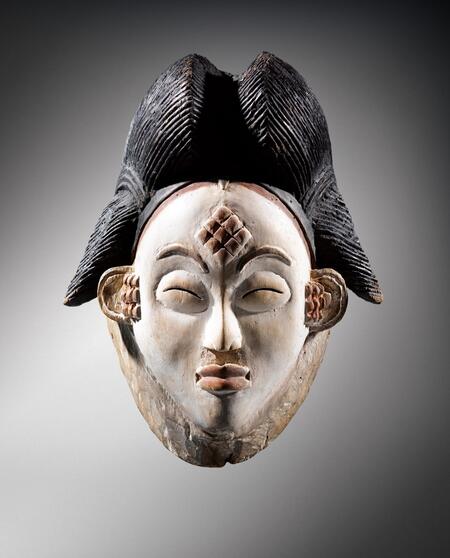
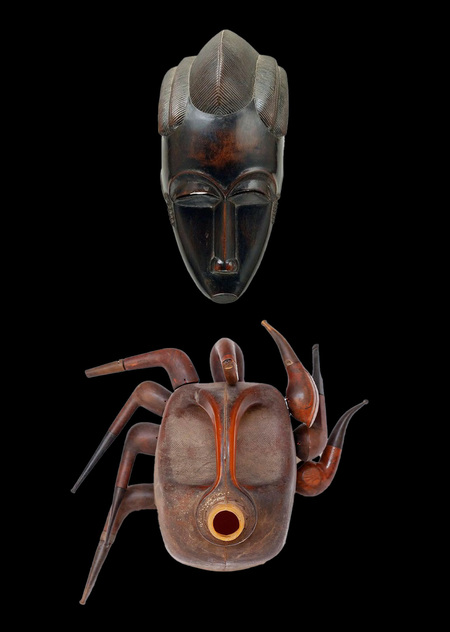
Ritual Figure of Nkisi African Ceremonial Mask
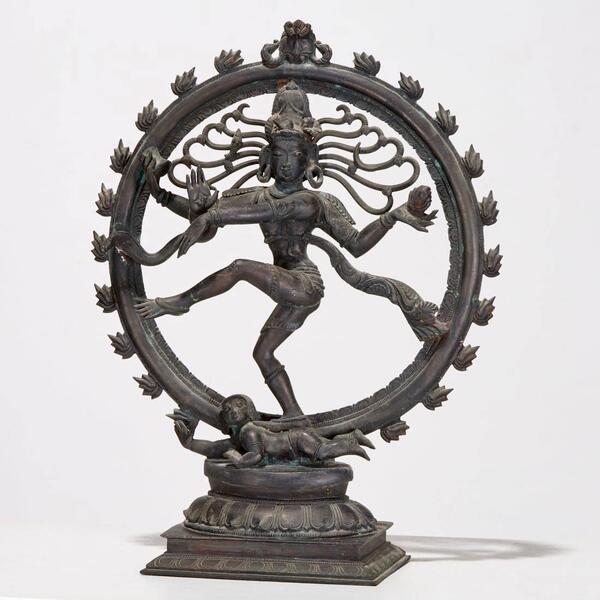
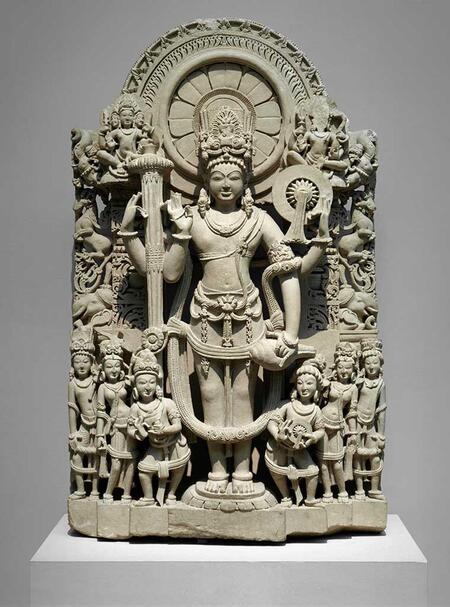
Indian Religious Sculpture Temple Sculpture of India
2. Colonial Expeditions and the Removal of Artifacts
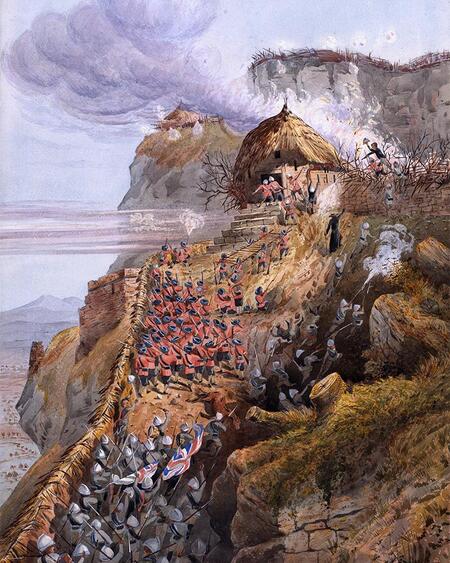
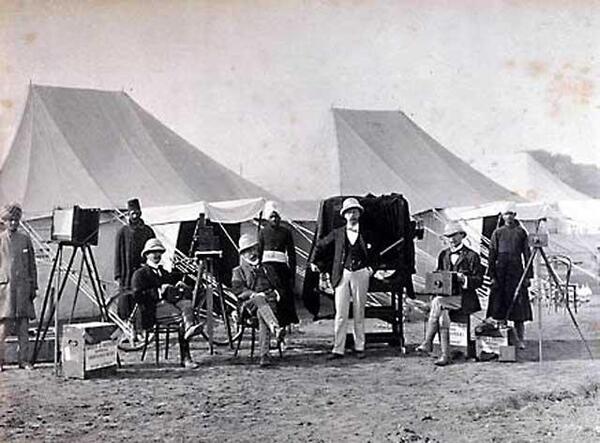
The British Expedition to Magdalu, 1868 Colonial India in the 19th Century
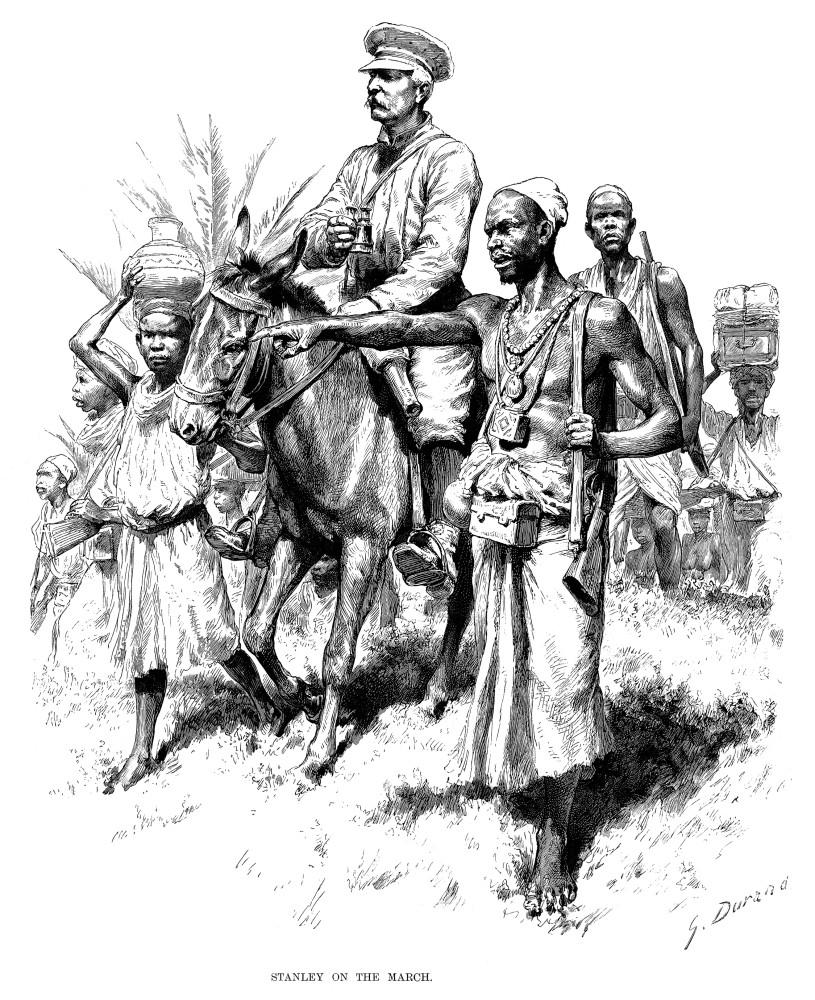
European Expeditions to Africa
Forming Ethnographic Collections
3. 19th-Century Colonial Exhibitions
The Indian Pavilion at the 1851 World’s Fair
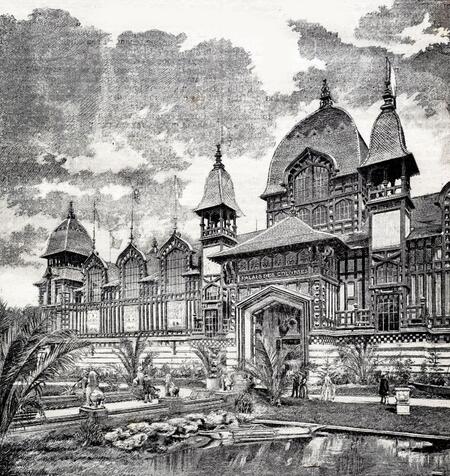
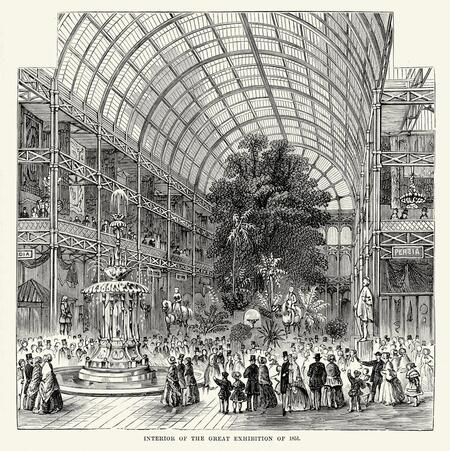
Paris World’s Fair, 1889 Interior of the Crystal Palace, London
European Exhibition Culture
4. A Museum Perspective on Other Cultures
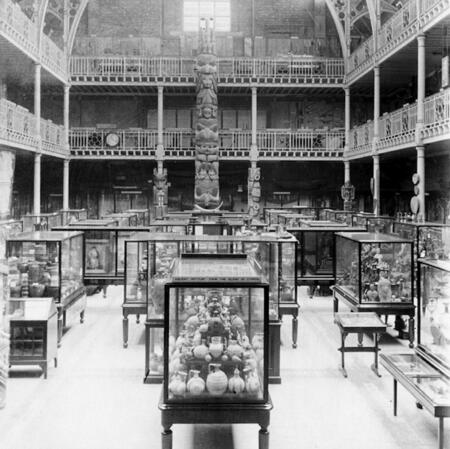
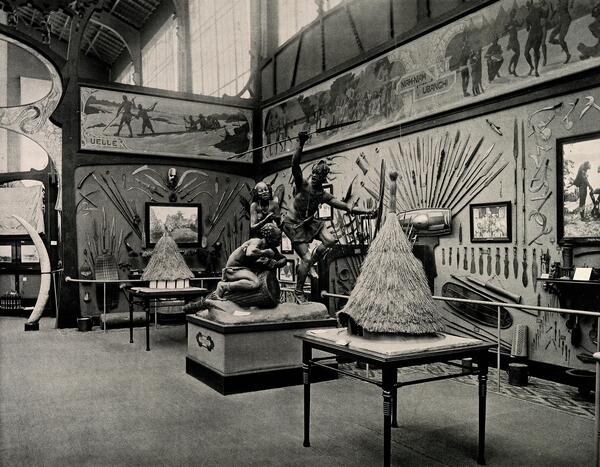
Pitt Rivers Museum, circa 1900 Museum of Congo, Belgium Exhibition
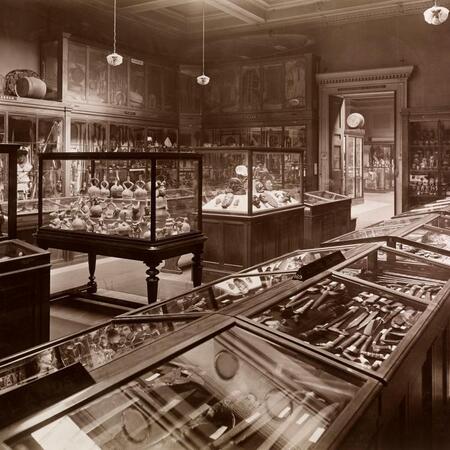
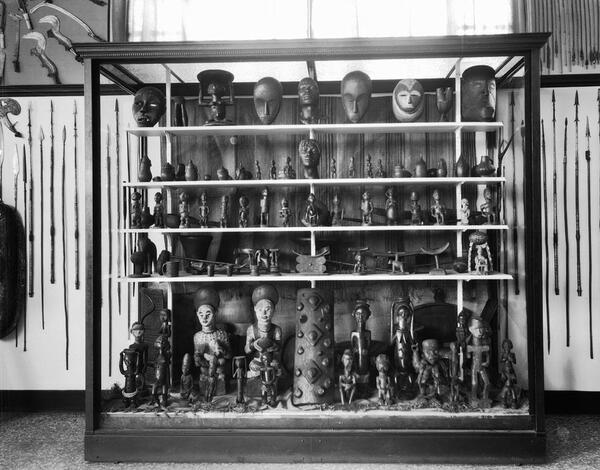
British Museum Ethnographic Gallery, 1908 African Artifacts in the Museum Exhibition
5. Exoticism as Ornament and Commodity
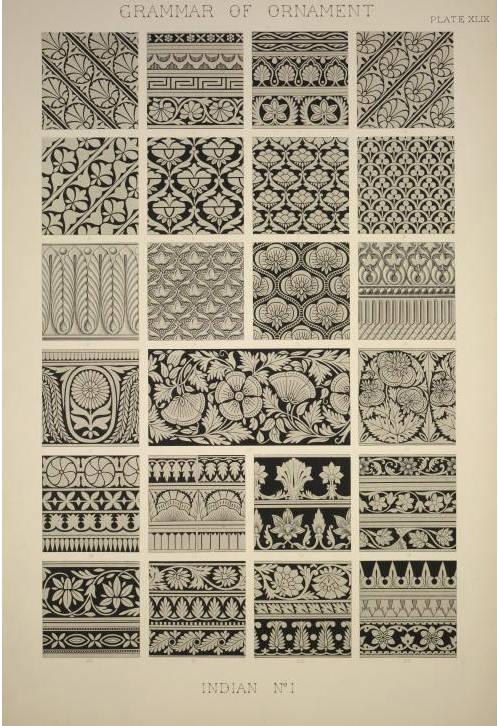
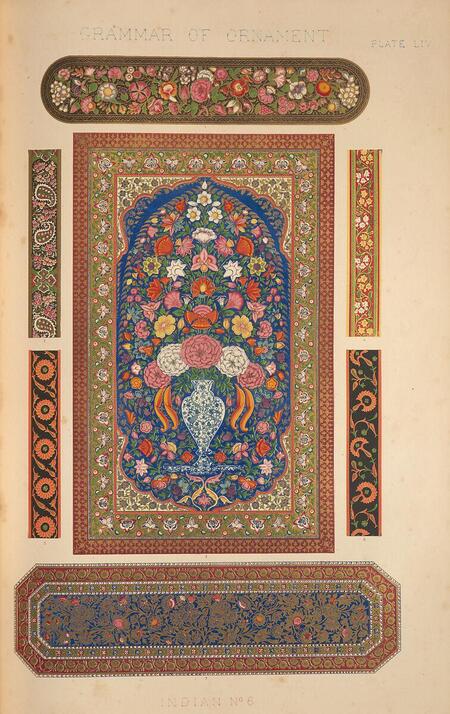
Indian Motifs in Owen Jones' Book Cataloged Indian Patterns
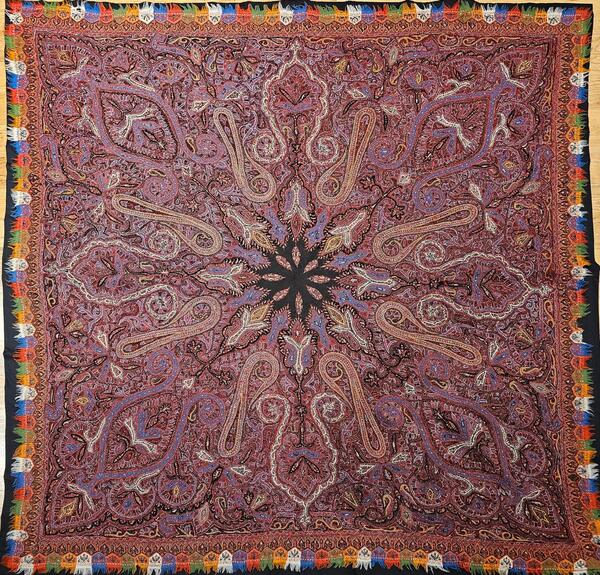
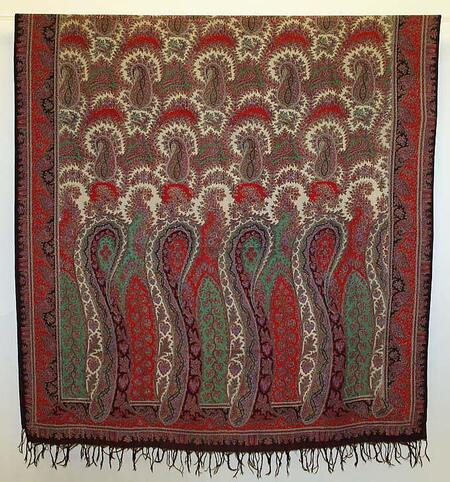
Kashmiri textile with boteh pattern European textile with paisley pattern
Furniture with Indian decorative motifs
Decorative and Applied Arts of the 19th Century
6. Form Versus Meaning—Visual Comparisons
Ritual object in the museum collection
A New Context—The European Showcase
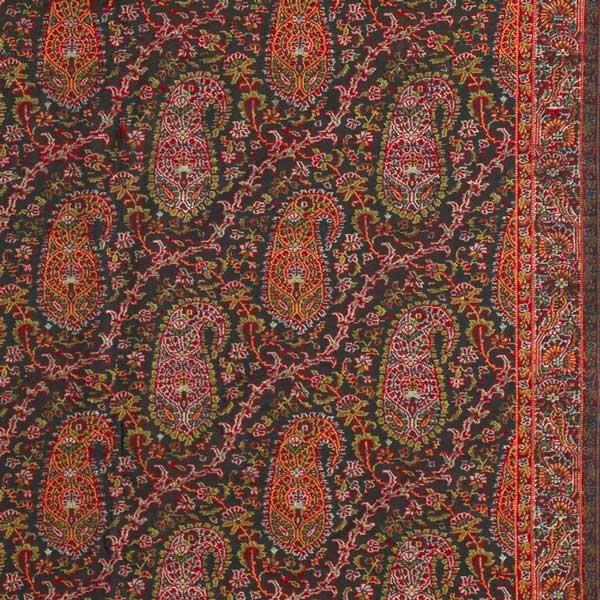
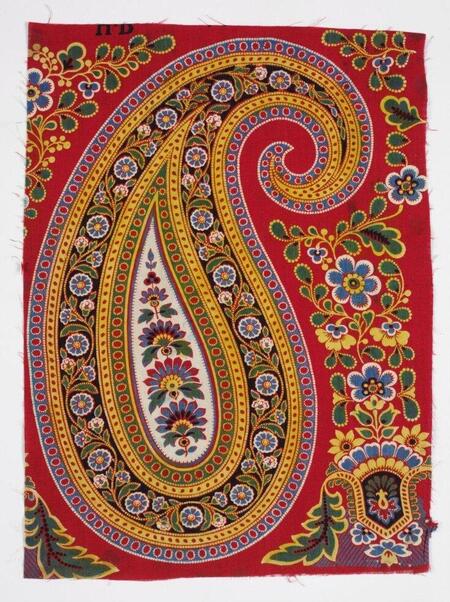
Traditional Ornament Ornament in European Fashion