Navigation
- Index
- Concept
- Color 3.1. Warm Tones 3.2. Cool Tones
- Space 4.1. Negative Space 4.2. Tight and Filled Space
- Scene Analysis
- Conclusion
Concept
My visual study focuses on how the inner world and trauma of the protagonist are conveyed through contrasts in color and space in the film Good Will Hunting. I aim to explore how director Gus Van Sant and cinematographer Jean-Yves Escoffier use simple visual decisions to make visible what Will cannot or will not express in words.
Two main contrasts are central to this focus. The first is color: warm amber and brown tones appear when the character feels relatively safe, contrasted with cooler, harsher hues when he withdraws or defends himself. The second is space: cramped, cluttered rooms and bars convey a sense of constriction, while open spaces offer a chance to exhale and see the world more broadly. Through this visual investigation, I intend to answer questions such as: How does color communicate the protagonist’s internal state? Which colors dominate the film, and how does contrast help portray trauma and conflict? What role does space play in this dynamic, and how does the sense of air and freedom expand as the story progresses? Finally, how do the director and cinematographer combine these two techniques to create a complex narrative that remains relevant today?
I chose this film specifically because its visual language operates so subtly. In Good Will Hunting, there is no bright stylization or flashy effects. Everything looks almost like everyday life, but it is through color and space that the viewer begins to understand what is going on inside Will. This is interesting from the perspective of visual narrative—how a complex psychological story can be told using «invisible» solutions.
In my opinion, this film and its theme—uncovering trauma not through narrative text but through visual techniques—remain incredibly relevant today. Many people live with internal traumas and defense mechanisms that are difficult to articulate. The film demonstrates that a person’s state can be conveyed not only through words and acting but also through how we perceive the space around them and the colors we choose. This insight is valuable not only for those directly involved in film but for anyone who works with visual storytelling.
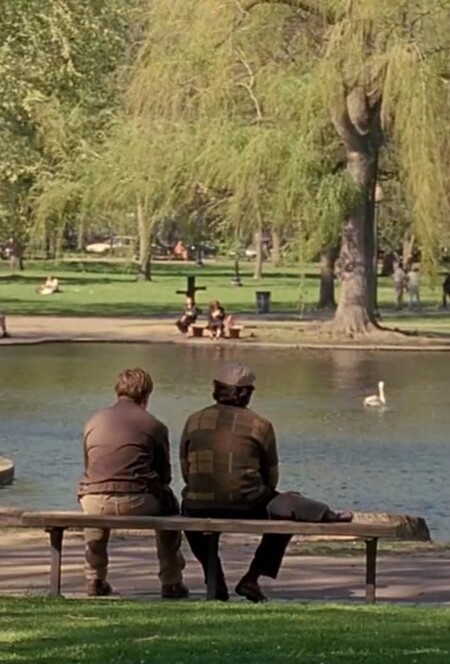
I divided my work into three parts. First, I will analyze color contrast and show in which situations warm tones predominate and in which cold tones are dominant. Then, I will examine space separately: how confined and open areas help convey a character’s emotional state. In the third part, I will combine both techniques and analyze several key scenes where color and space work together. These include the scene on the bench by the pond, Sean’s office, and moments in the bar and the dorm.
Through this analysis, I aim to demonstrate that in psychological film, visual choices can be just as crucial as dialogue. Color and space are not merely background elements here—they actively participate in shaping the character’s image and help the viewer perceive their internal struggle.
Color
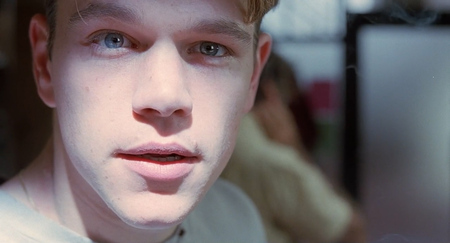
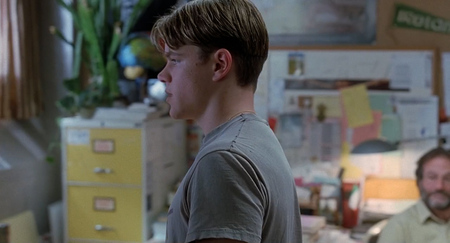
In the film «Good Will Hunting,» color functions very subtly, yet consistently. There are no bright, jarring hues. The core palette is built on the contrast between warm and cooler tones. This contrast helps convey Will’s internal state without a single word. When the character feels relatively safe and can open up even slightly—warm tones predominate. Conversely, when he is guarded, closing off, or sensing a threat—the imagery becomes cooler and harsher.
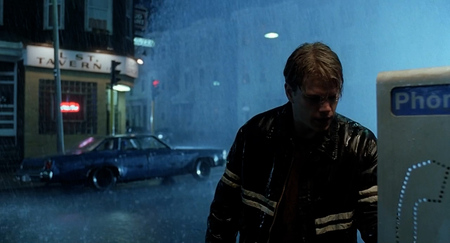
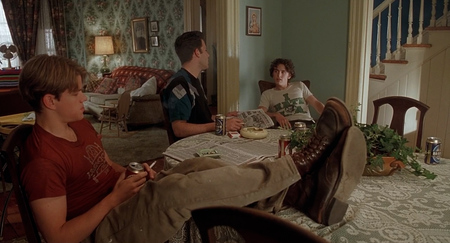
«Good Will Hunting,» directed by Gus Van Sant (1997)
Warm tones
The warm tones in the film are primarily amber, golden, and brown. They create a feeling of soft, almost domestic light. Such colors make the space more cozy and tranquil, not only for the protagonist but also for the viewer.
«Good Will Hunting,» directed by Gus Van Sant (1997)
«Good Will Hunting,» directed by Gus Van Sant (1997)
These colors were not chosen by chance. The emotional hue of warm tones suggests safety, trust, and the freedom to be authentic. They immediately evoke a warm, nostalgic association with home for the viewer, which helps convey the character’s inner state. In these moments, Will is less guarded. He can listen, speak more honestly, or at least avoid attacking the person he is speaking with or hiding his feelings behind jokes.
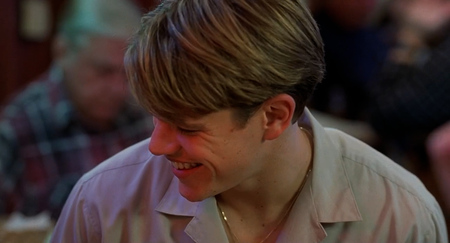
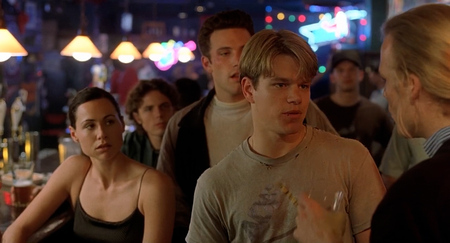
«Good Will Hunting» directed by Gus Van Sant (1997)
Warm tones most frequently appear in Sean’s studio during sessions, in Skylar’s room, and in some scenes where Will is near people he begins to trust. This is especially noticeable in his later conversations with Sean, when a genuine connection forms between them. The warm light here supports the feeling that the protagonist can, at least for a time, lower his defenses and stop trying to guard himself against everyone.
«Good Will Hunting, ” directed by Gus Van Sant (1997)
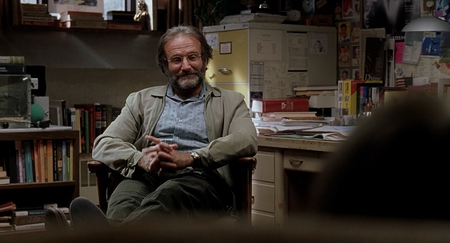
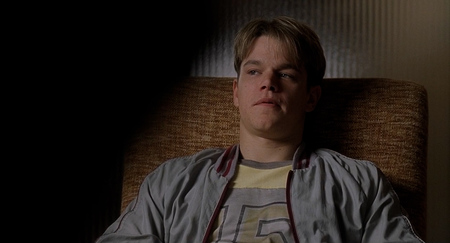
«Good Will Hunting,» directed by Gus Van Sant (1997)
«Good Will Hunting,» dir. Gus Van Sant (1997)
Cool Tones
Cool tones appear in the film in contrast to warm ones. These are grayer, bluer, or simply harsher hues that reflect Will’s heavy reality and the necessity of making a choice—to live an ordinary life with the people he loves, or to fully immerse himself in science and abandon his personal life. The light becomes sharper, sometimes almost unpleasantly harsh to the eye.
«Good Will Hunting,» directed by Gus Van Sant (1997)
«Good Will Hunting» dir. Gus Van Sant (1997)
Emotionally cool tones convey closedness, tension, and internal defense. Through color, the director and cinematographer literally expose the protagonist’s inner world and reveal a childhood trauma. In these moments, Will either attacks, makes a joke to change the subject, or completely shuts down. Here, color helps convey his alienation, distrust, and fear of abandonment.
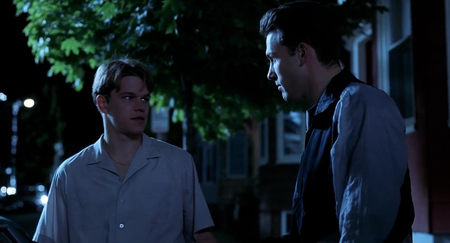
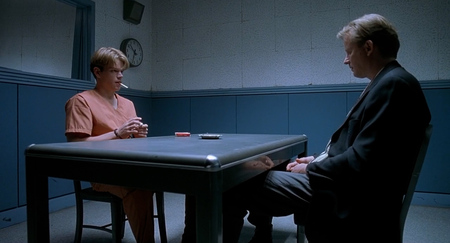
«Good Will Hunting,» directed by Gus Van Sant (1997)
«Good Will Hunting,» dir. Gus Van Sant (1997)
The cold colors are especially pronounced during Will’s first encounter with Sean, as the protagonist begins to dissect the painting and intrude upon the therapist’s personal life. As Will becomes increasingly aggressive, the lighting becomes harsher and colder. The same occurs in scenes where the protagonist feels pressure or attempts to maintain control. In these moments, the cold color intensifies the feeling of his internal armor and trauma.
«Good Will Hunting,» directed by Gus Van Sant (1997)