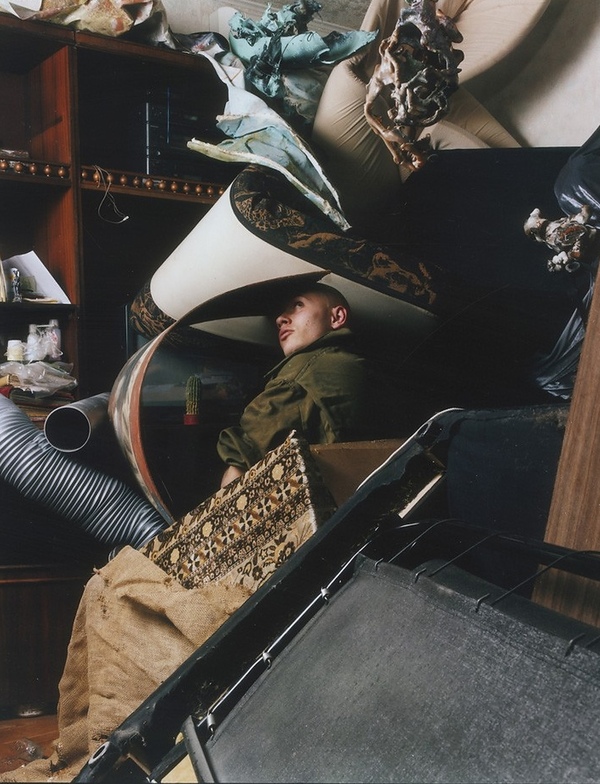
«Khalabuda» — a series of photographs by Sergei Sapozhnikov, created over a two-year period (2006–2008). The late 2000s are associated in my mind with glamour and fashion photography, as well as documentary work. «Khalabuda» aesthetically contrasts with the visual background and moves closer to the Russian cinema of «New Quiet» films and international contemporaries, because it is a photographic record of installations using objects, rather than a document of the era or a glossy image.
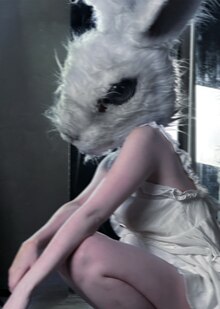
The subject of these photographs hides within recognizable Soviet interiors familiar to every Russian. The young man who co-authored the series and is a friend of Sapozhnikov is Albert Pogorelkin. Mattresses and plush toys consume him—a whirlwind of objects swirls around him. Domestic hoarding strikes me as a common problem among our Soviet parents and elders. Furthermore, the mass of objects carries a nostalgic and sentimental dimension.
Albert Pogorelkin adopts various positions between mattresses and closets, and hides behind curtains, as if playing hide-and-seek. However, beyond the reflection of post-Soviet childhood in the 90s, I see another image in this—a young man hiding from military service, since the Chechen campaigns were happening at the time, and conscription was a serious issue for young people. Thus, in the apartment, the protagonist is both a hostage and safe.
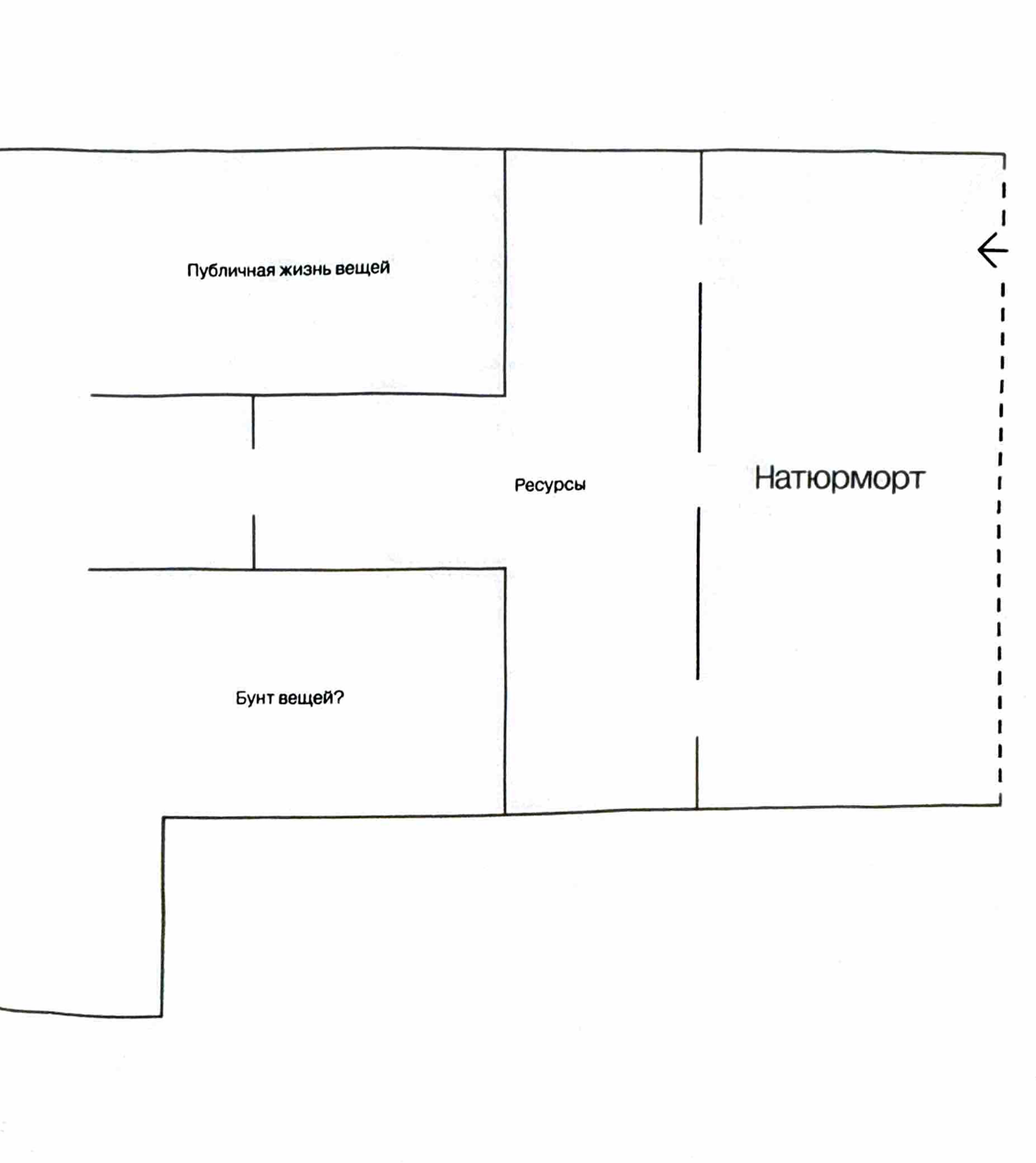
Exhibition Plan
«Khalabuda» is part of the «Still Life. A Revolt of Objects?» section. Several works from this series are exhibited at GES-2. Sapozhnikov is displayed alongside the Soviet photo series «Self-Defense and Self-Defense Courses from Objects.» Like Sapozhnikov’s work, this series depicts a person battling the objects in their apartment, but Sapozhnikov approaches the post-Soviet everyday life through a nostalgic lens, whereas Skersis and Zakharov portray the hero’s terror at the surrounding furniture.
In addition to the Sculpture exhibit, the section features video art by Alexandra Mitlyanskaya, in which jars dance a waltz, and Marta Rosler, who parodies a cooking show to demonstrate how innocuous kitchen items transform into dangerous tools. At the center is the total installation, «Haircut Time—The Dance of Old Age, ” by the collective „Flowers of Jongdoli.“ This piece unfolds the story of a fictional actress through objects—a high-heeled shoe taps every half hour, building a tension that affects the perception of all the surrounding items. A suffocating atmosphere is created, and the sensations embedded in the objects, as reflected by the artists in their work, transfer to the viewer.
After completing the entire section, the question mark icon, «Revolt of Things?», feels unnecessary, as the objects surrounding us are quite convincing in their subjectivity—they become full-fledged actors on par with humans, independently dancing, knocking, causing harm, eavesdropping, and squeezing a person in space.