CONCEPT
The project investigates the influence of digital visual culture on the perception of reality and the formation of human identity. Today, the internet is becoming not merely a source of information, but the environment through which we perceive the world, the people around us, and ourselves. Our identity is shaped not only by our personal experience but also by an endless stream of external images that we consume, remember, and unconsciously adopt. Photographs, social media, digital imagery, and visual aesthetics shape our perceptions of who we are and who we aspire to be. Gradually, the boundary between reality and its visual interpretation blurs—images cease simply to reflect reality and begin to influence its formation. In this context, escapism becomes less about fleeing into another reality and more about the possibility of reinterpreting and changing the existing through visual imagery. The project explores how artificially created images become part of our personal experience and self-perception. Through the interaction of the physical body with the changing digital environment, the project visualizes the process of human transformation under the influence of the surrounding visual flow. The project asks: how much of our self-perception is genuinely ours if it is formed from images created by others?
IDEA AND PHILOSOPHICAL FRAMEWORK
Central Concept This project investigates how digital imagery shapes our perception of reality and our conception of self. We are constantly exposed to an immense volume of visual information daily, which gradually becomes integrated into our thought patterns, tastes, desires, and sense of self. A person does not merely consume images; they subconsciously construct an identity from them, creating an alternative, aestheticized version of themselves. The project’s core idea is to visualize this process—transforming the viewer’s physical likeness into a mutable digital form, upon which the stream of external images exerts influence. Escapism, in this context, is examined as a pathway to transcend familiar self-perception and exist within a reality shaped by visual culture.
Philosophical Framework The project’s philosophical foundation is postmodernism, specifically Jean Baudrillard’s concept of simulacra and hyperreality. According to this concept, images and signs do not merely reflect reality; they have the capacity to construct an autonomous reality where the distinction between the original and its representation becomes increasingly blurred. This idea is further supplemented by the notion of fragmented identity: in contemporary visual culture, a person’s image is assembled from a multitude of borrowed aesthetics, cultural codes, and digital representations. The project also addresses the phenomenon of escapism, viewing the digital environment not as a complete antithesis to physical reality, but as its continuation—a space allowing individuals to experiment with their own identity. The core philosophical paradox lies in the fact that the individual creates their own digital persona while simultaneously being shaped by their surroundings.
REFERENCES
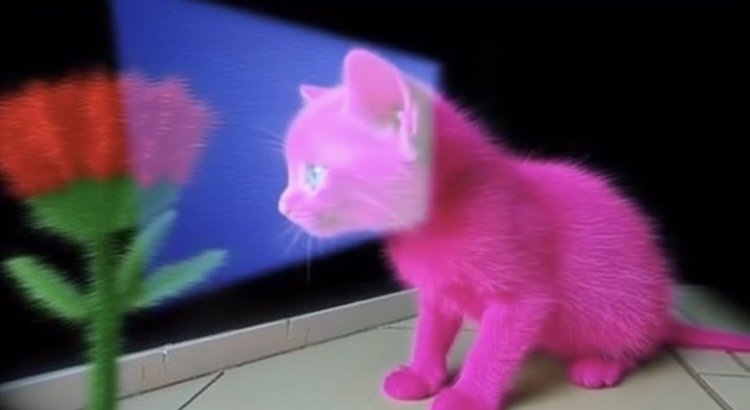
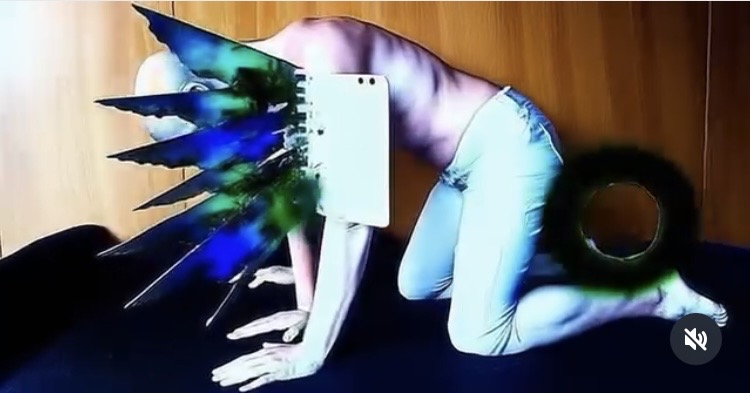
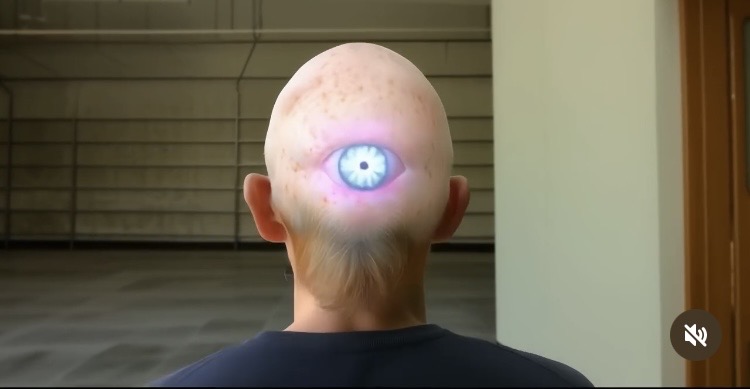
@recursive
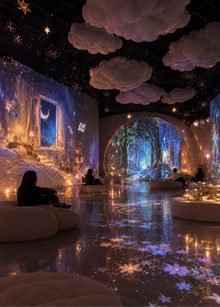
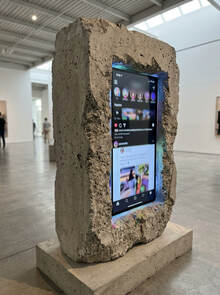
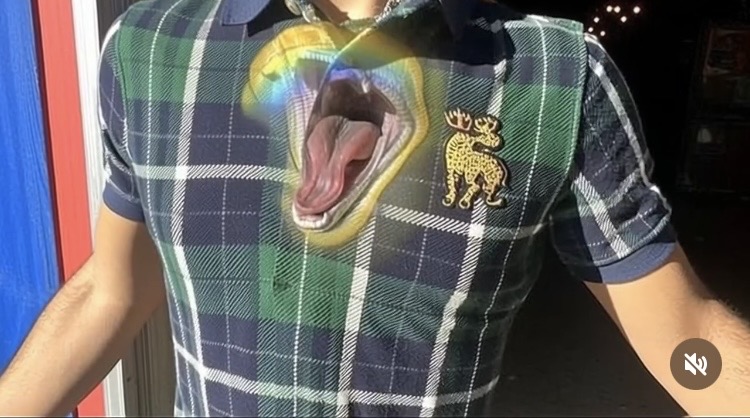
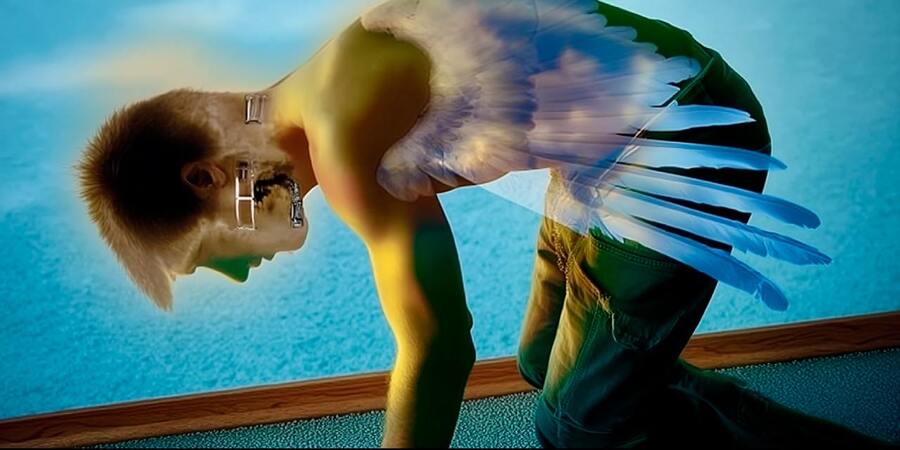
The blending of physical reality with digital objects and artificially created images.
The transformation of familiar bodies and spaces through visual distortion.
The aesthetics of internet culture, where real and virtual elements coexist simultaneously.
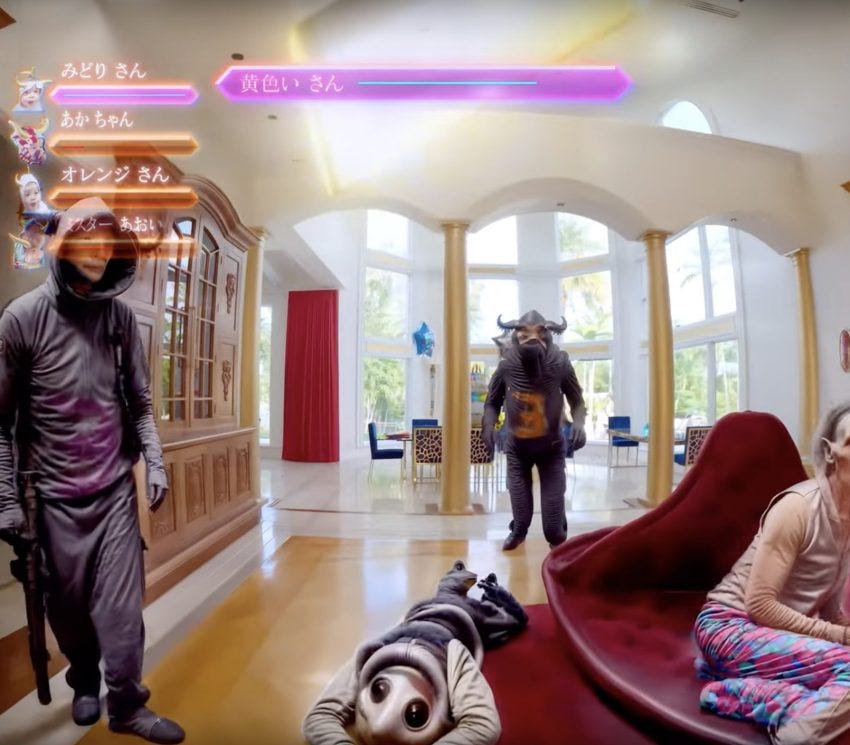
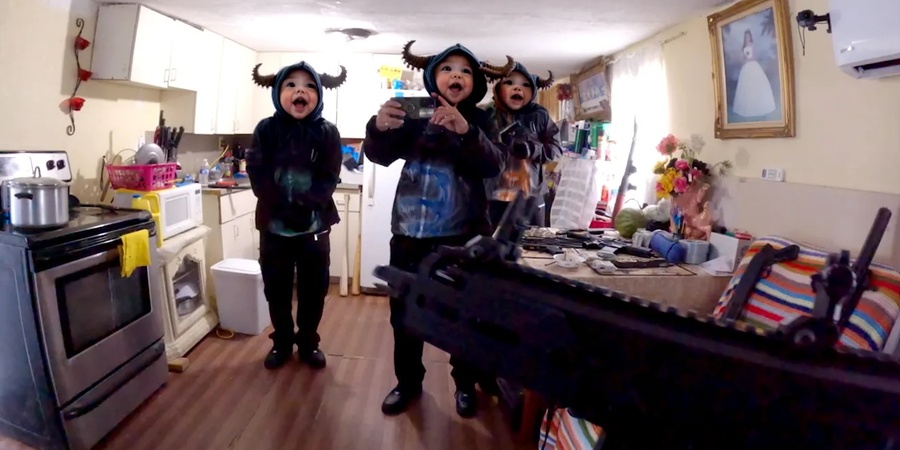
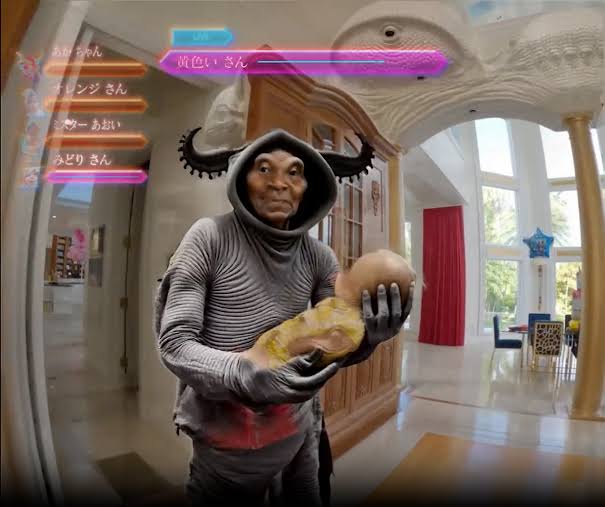
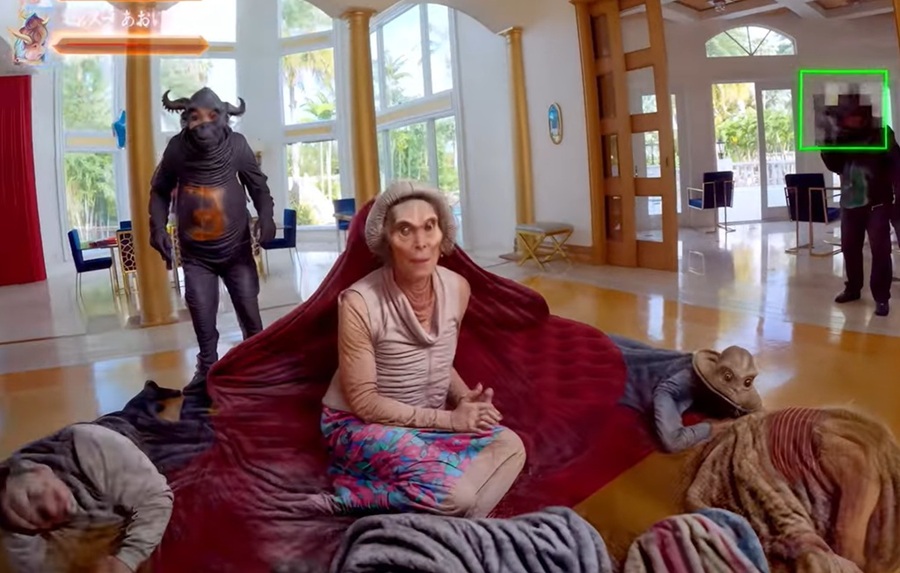
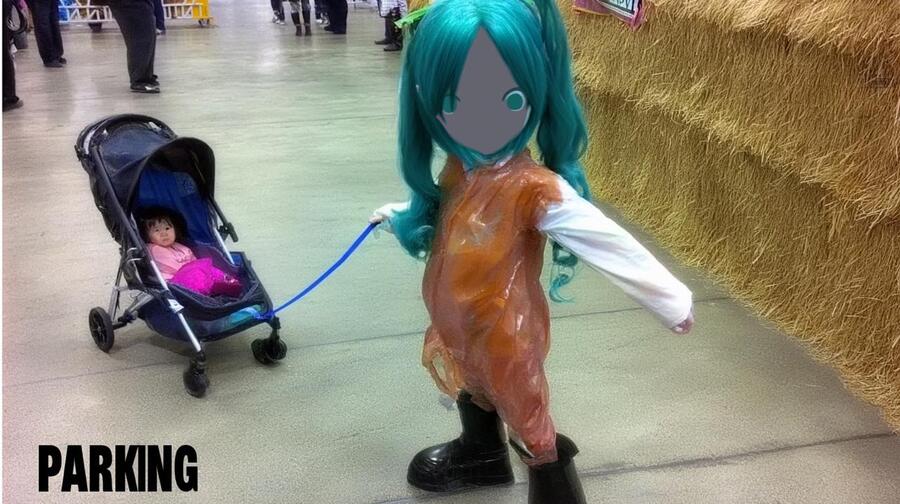
Baby Invasion (2024)
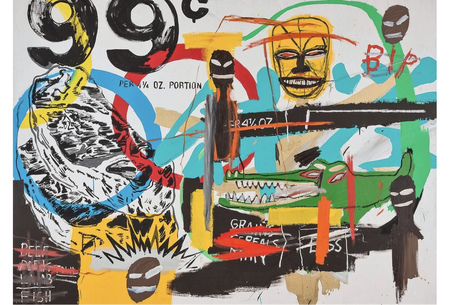
Blurring the boundaries between cinema, video games, and digital reality.Utilizing digital masks and avatars to alter human identity.The sense of presence within an artificially constructed reality.
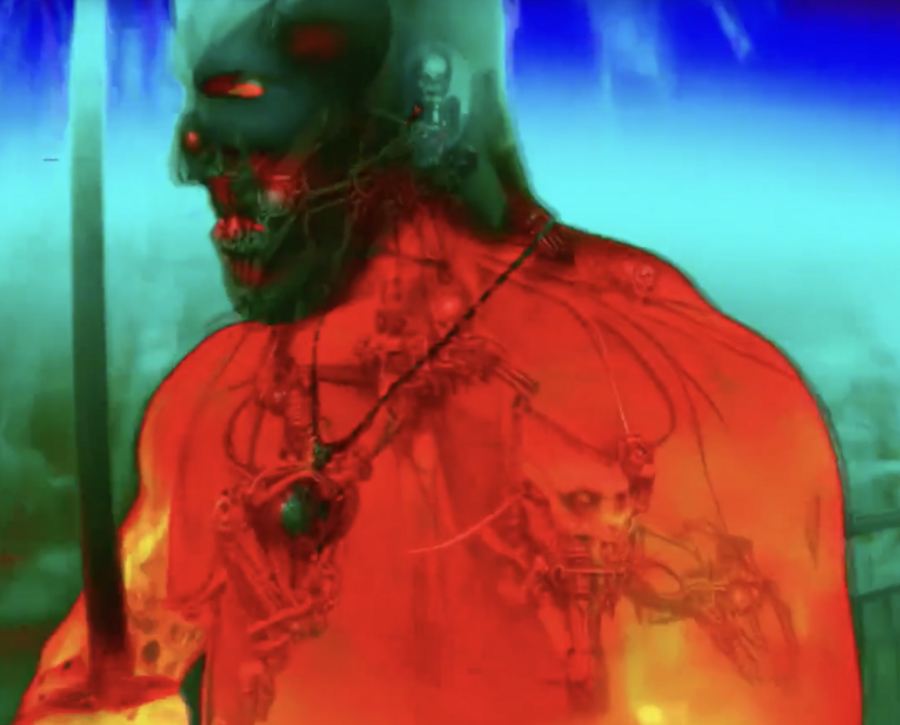
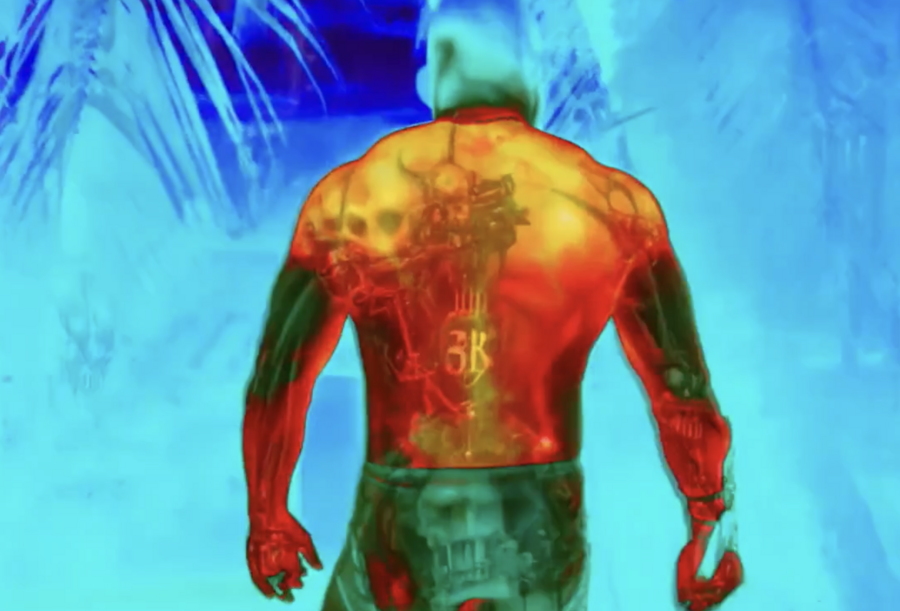
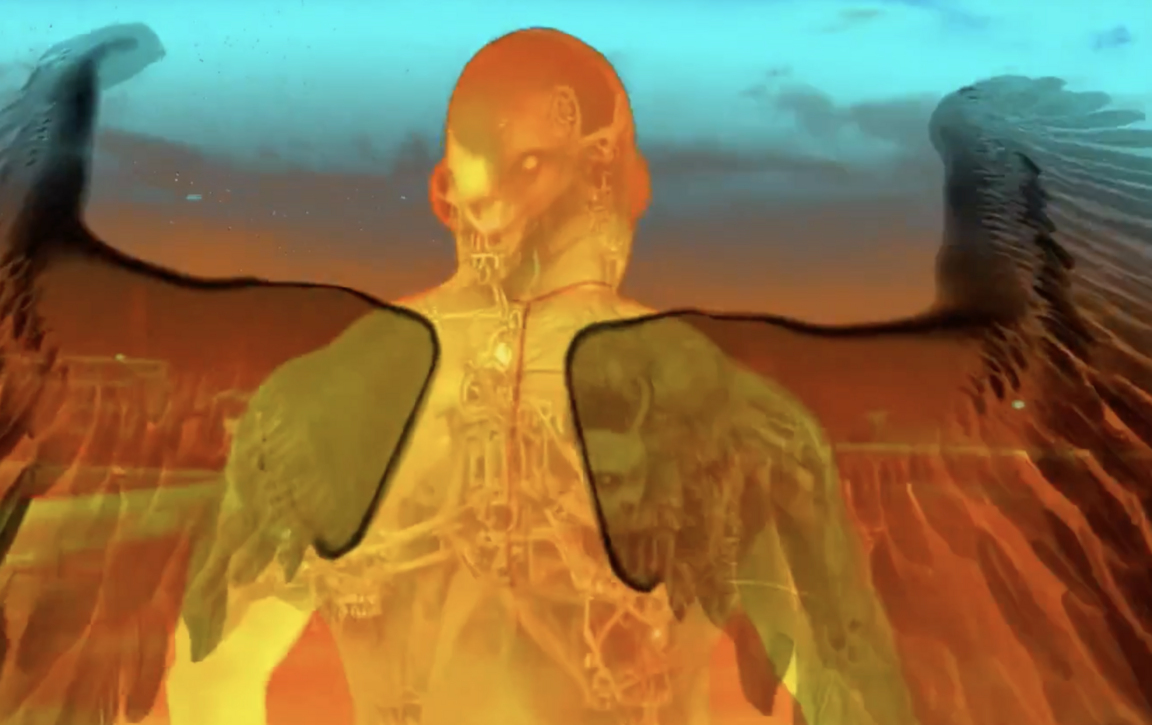
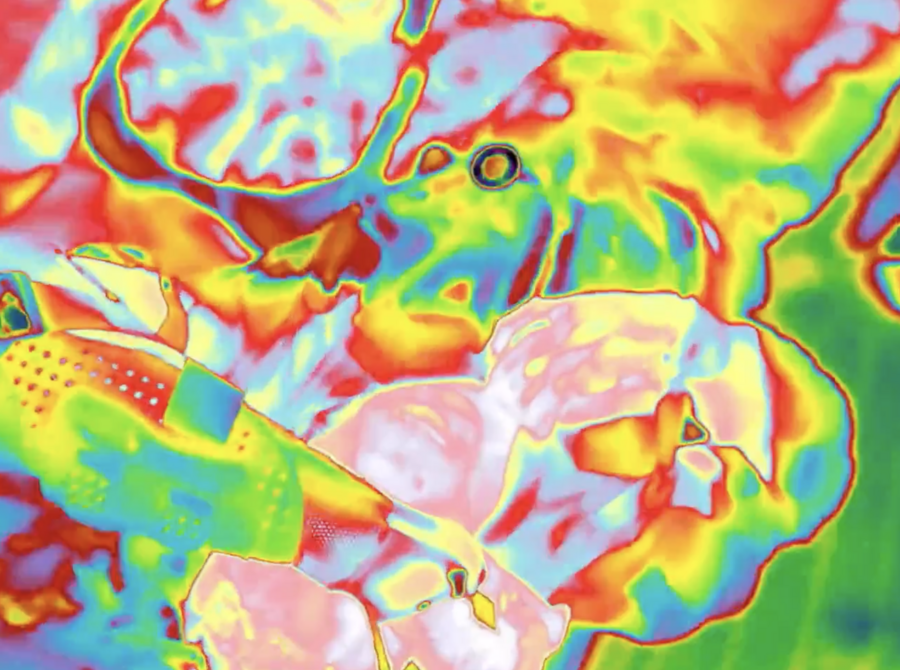
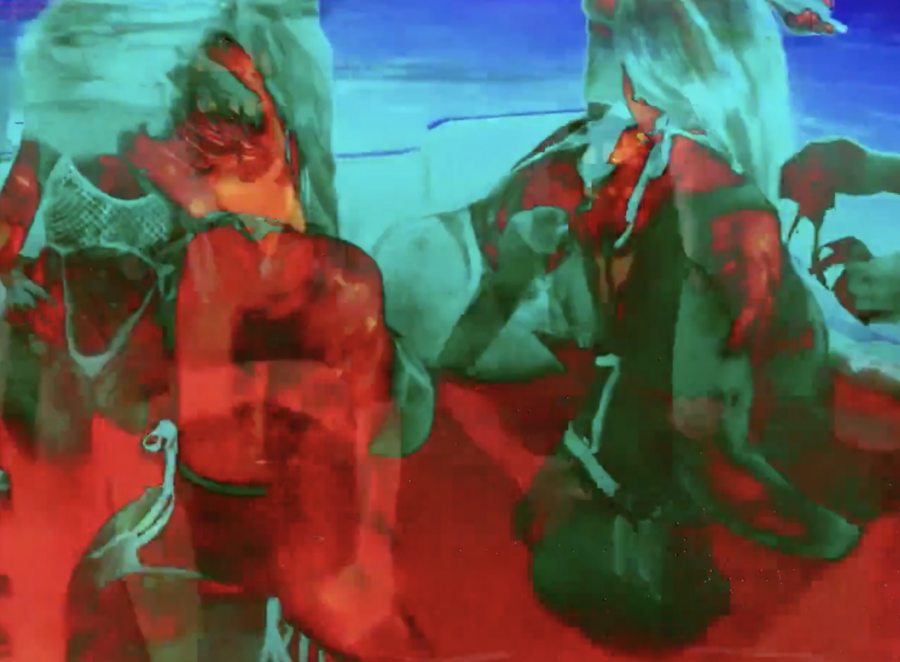
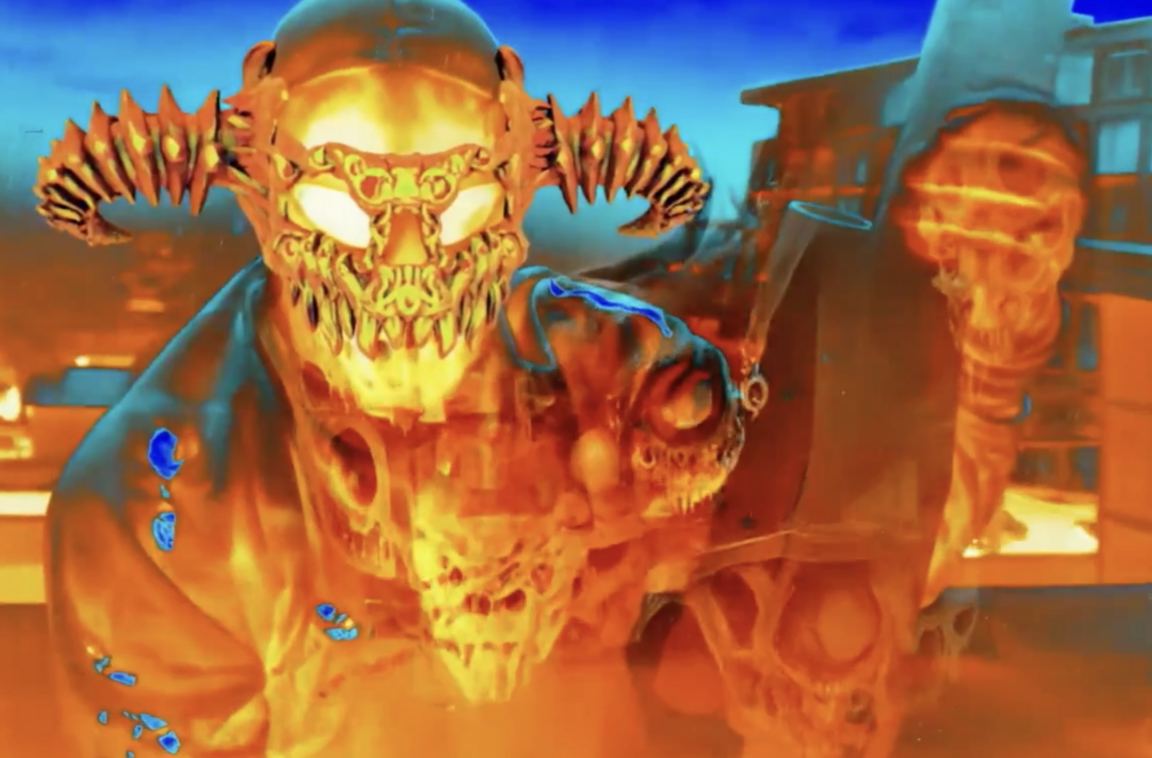
Aggro Drift (2023)
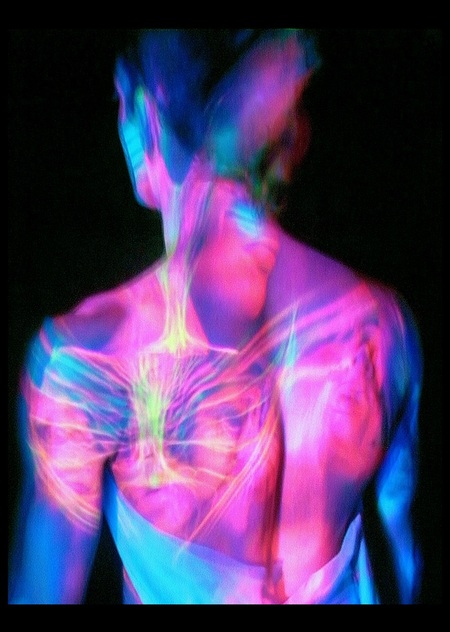
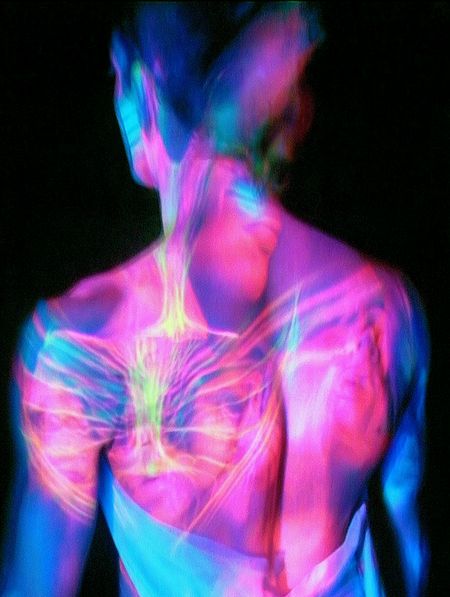
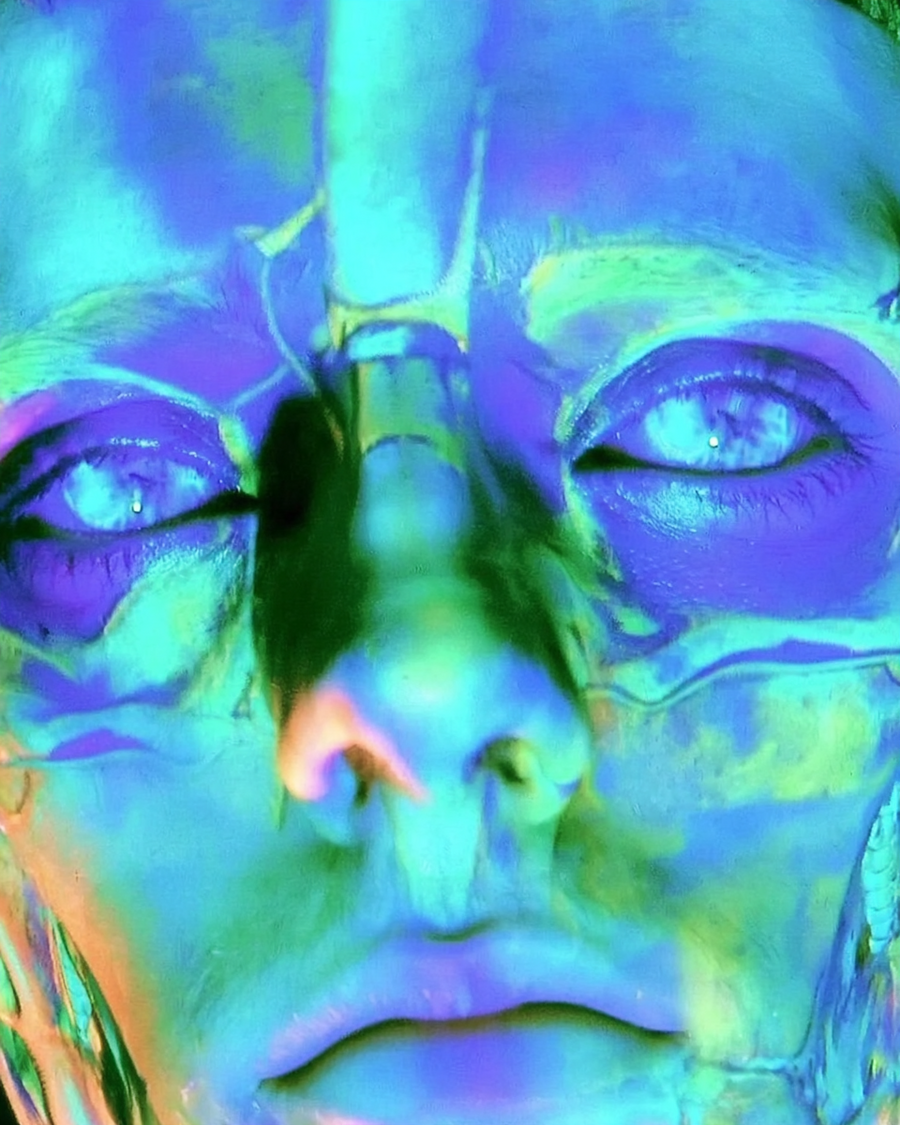
Utilizing thermographic aesthetics and artificial color rendition to alter conventional human perception.Overlaying digital textures, graphics, and visual effects onto real bodies.Creating an alternative way of seeing reality, where recognizable forms acquire unfamiliar materiality.
VISUAL WORKS IN PROGRESS
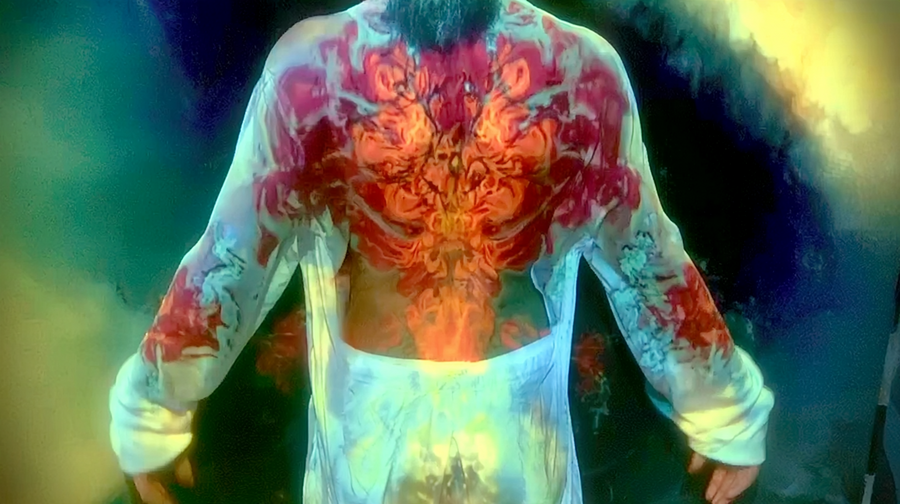
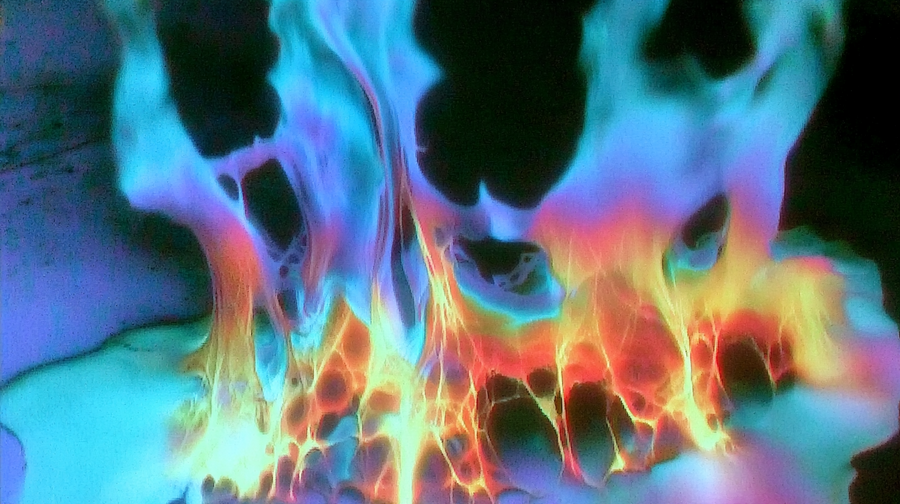
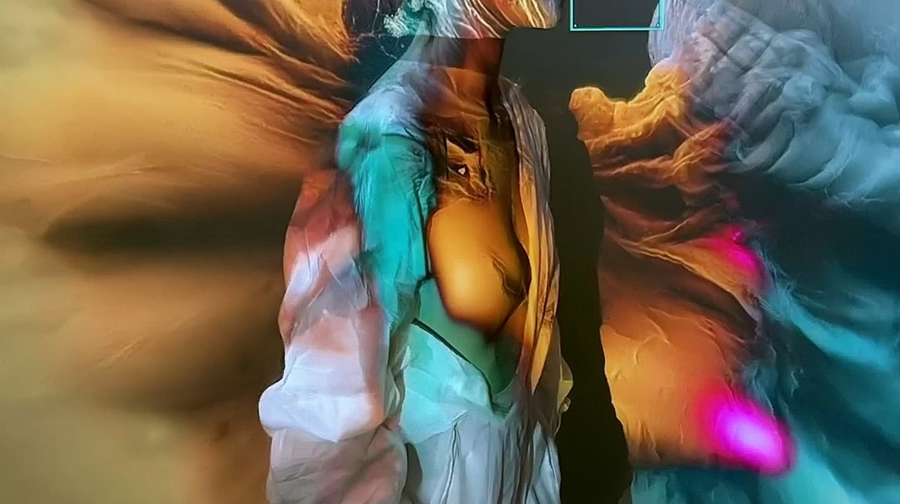
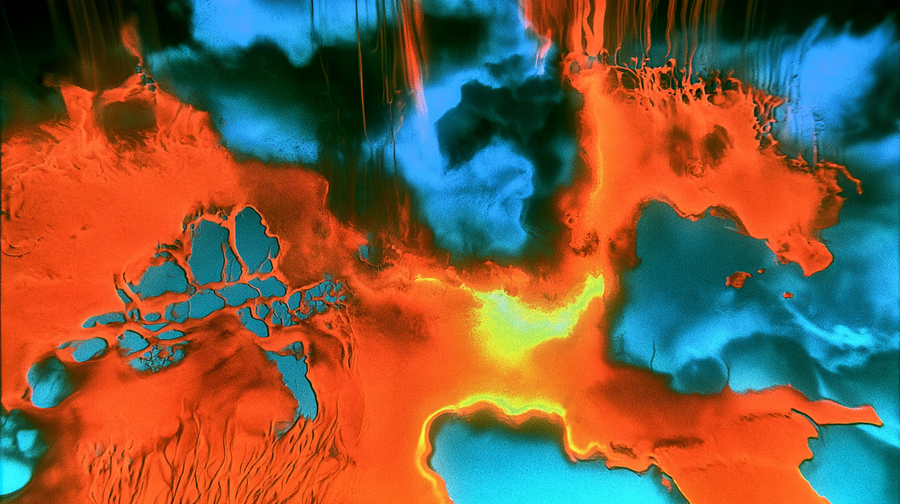
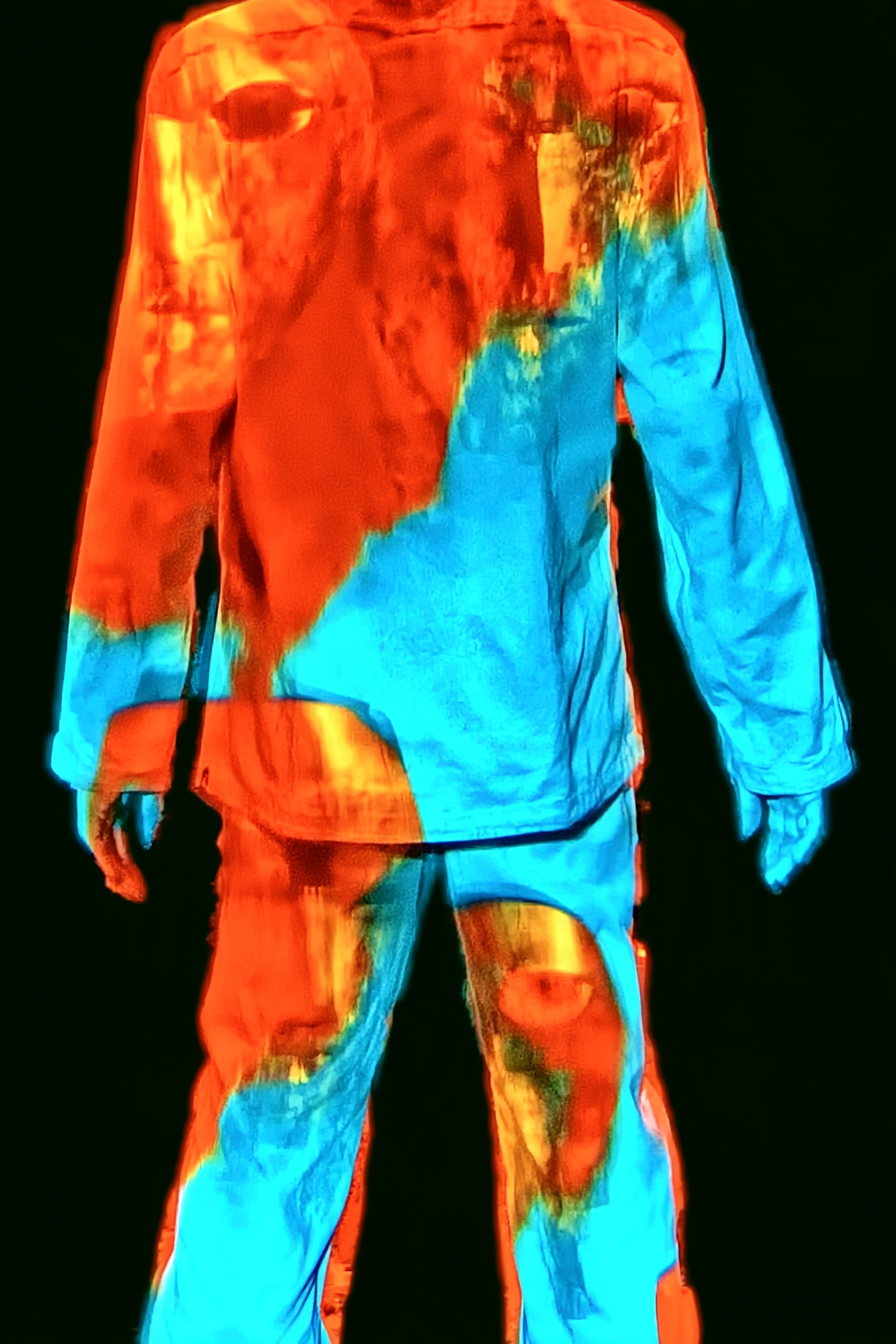
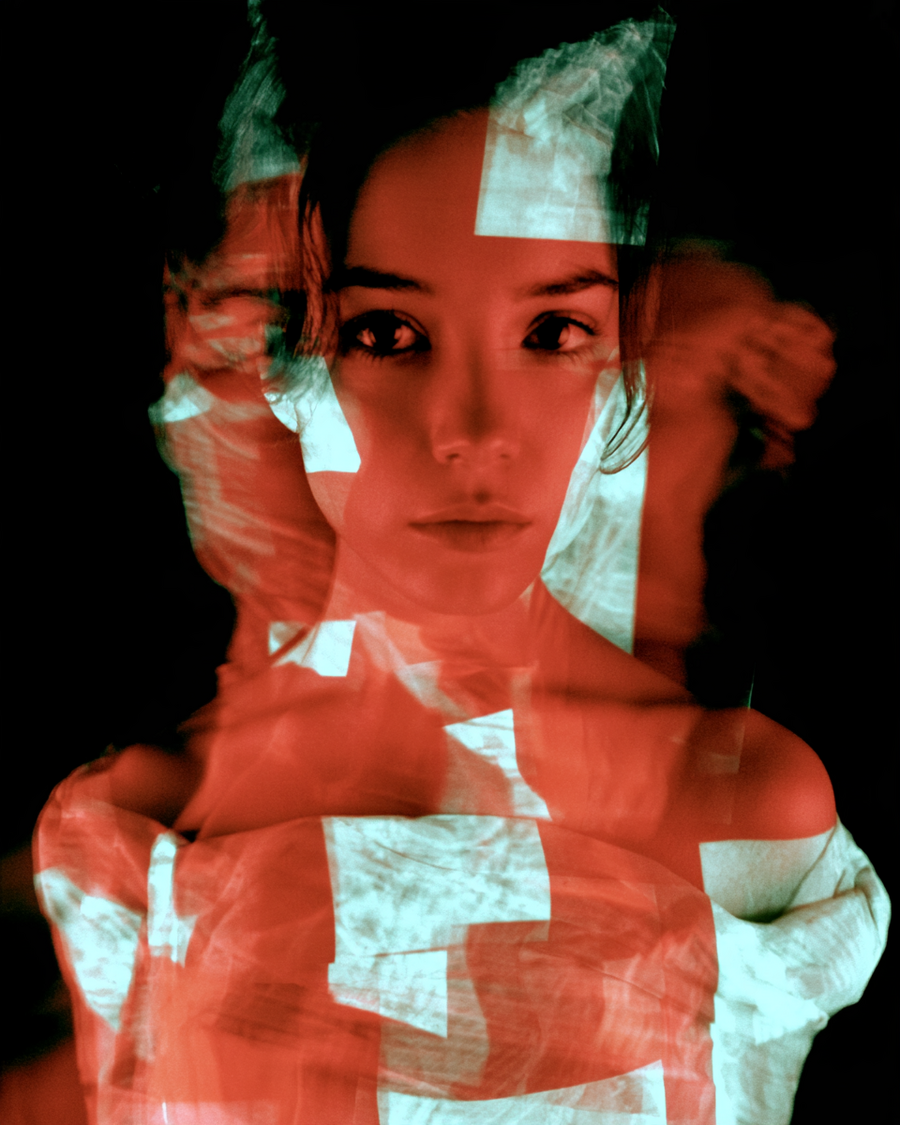
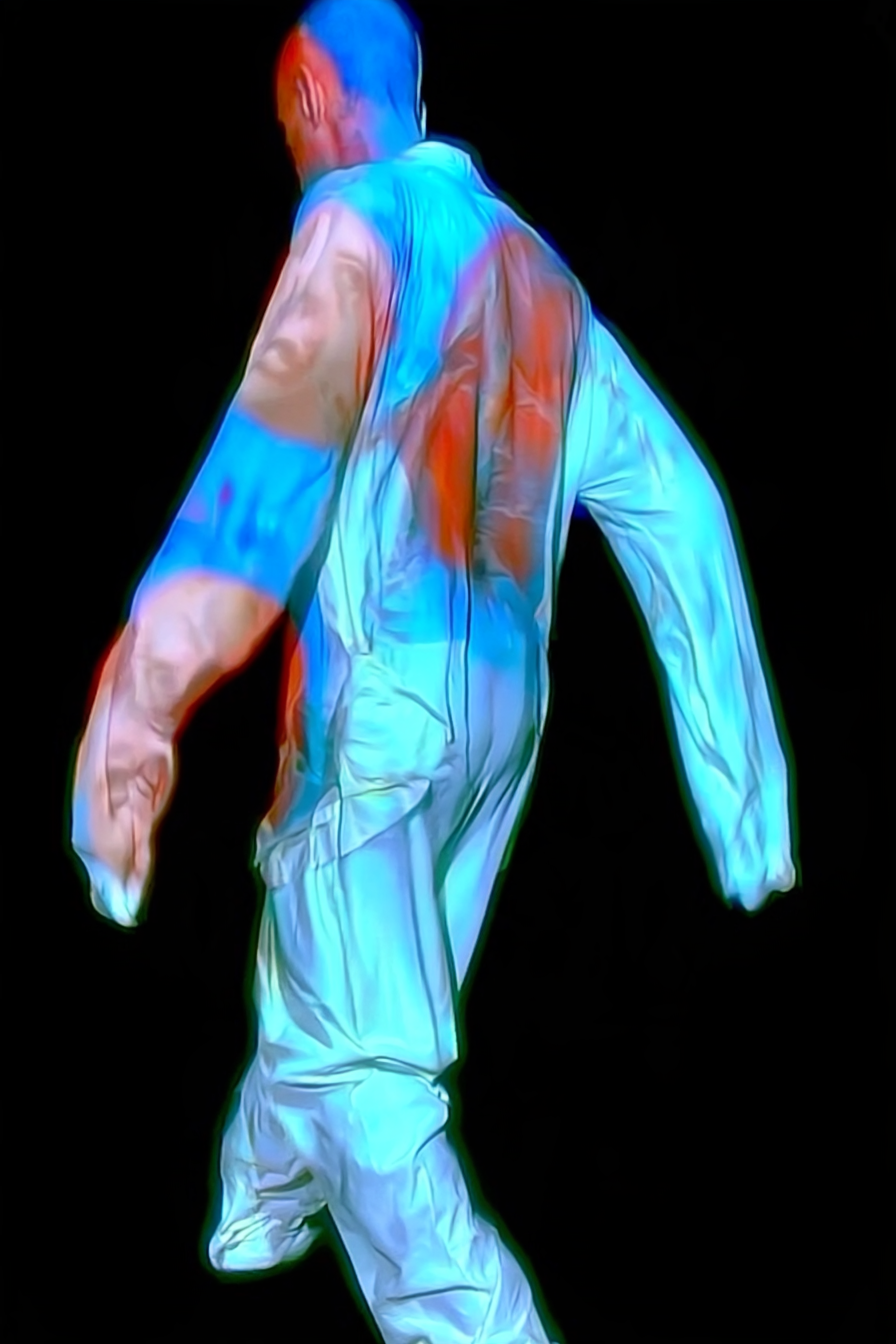
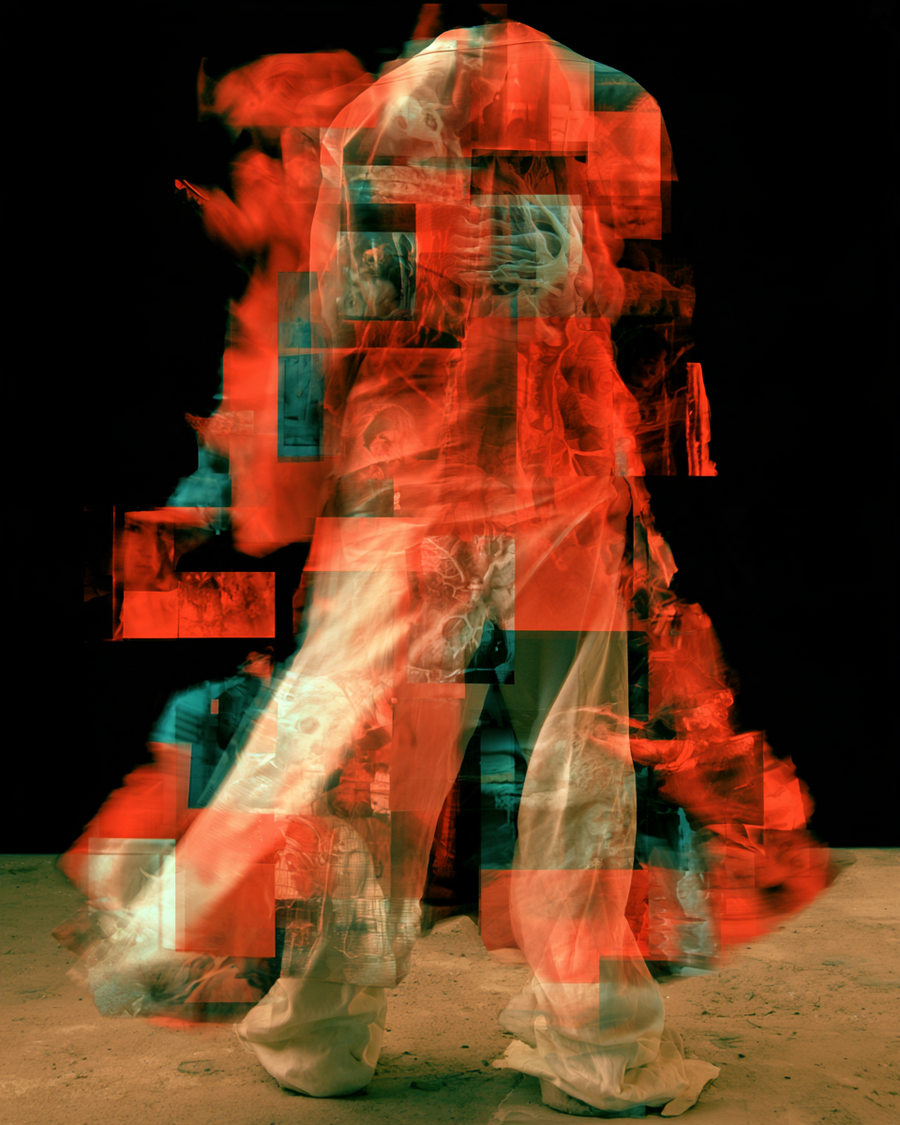
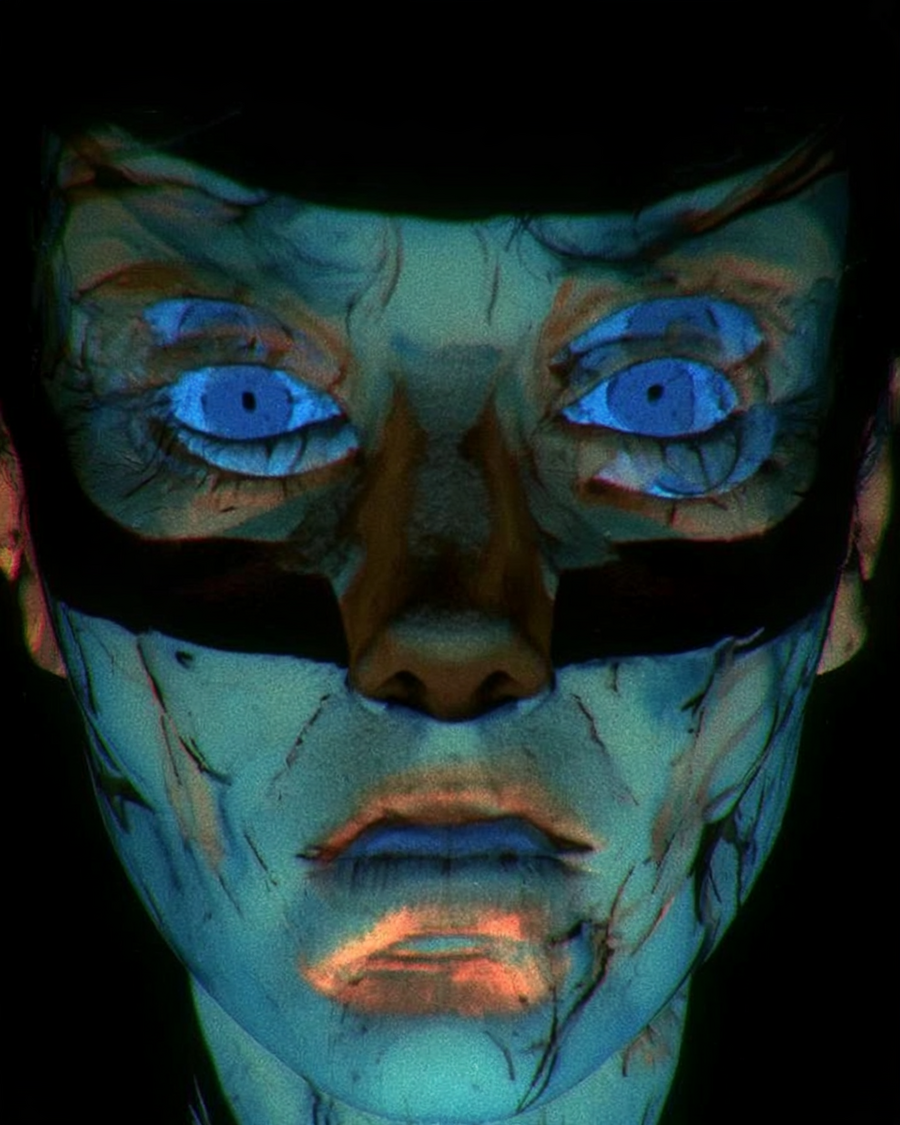
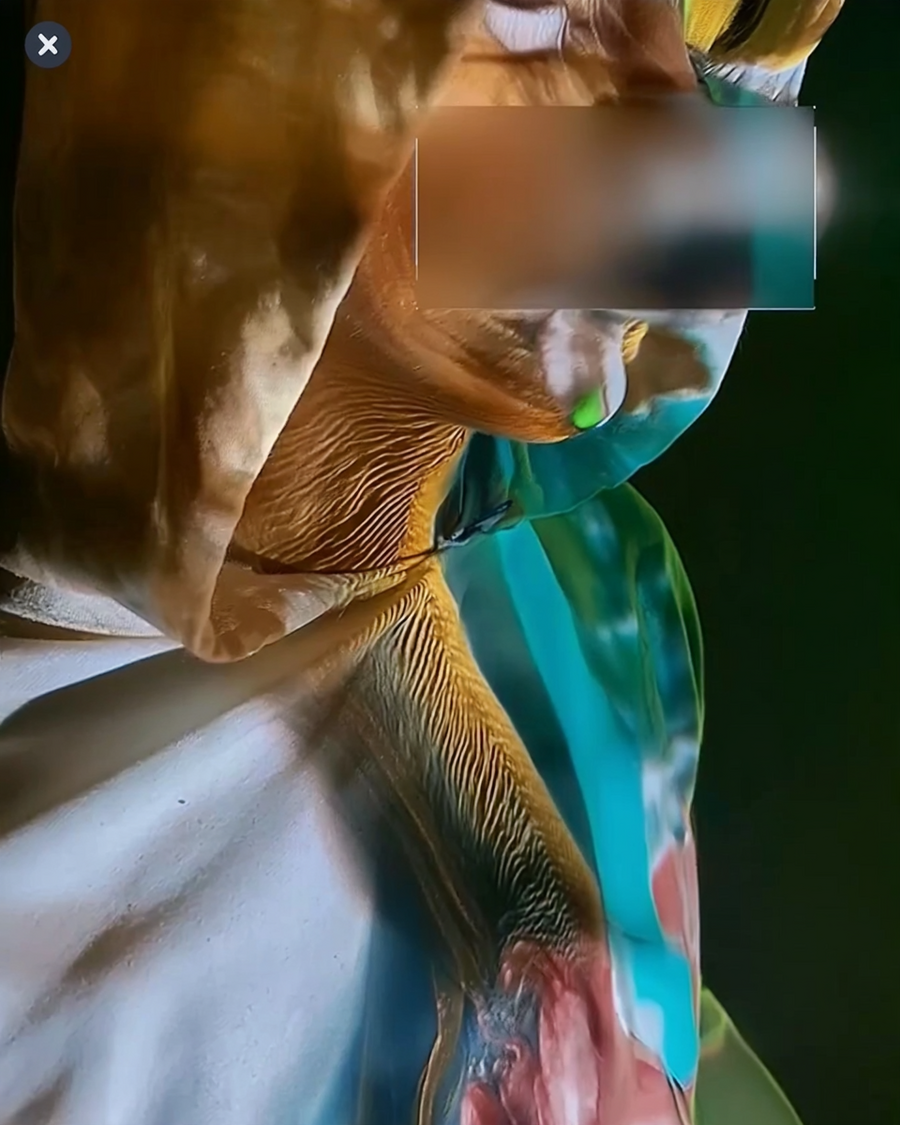
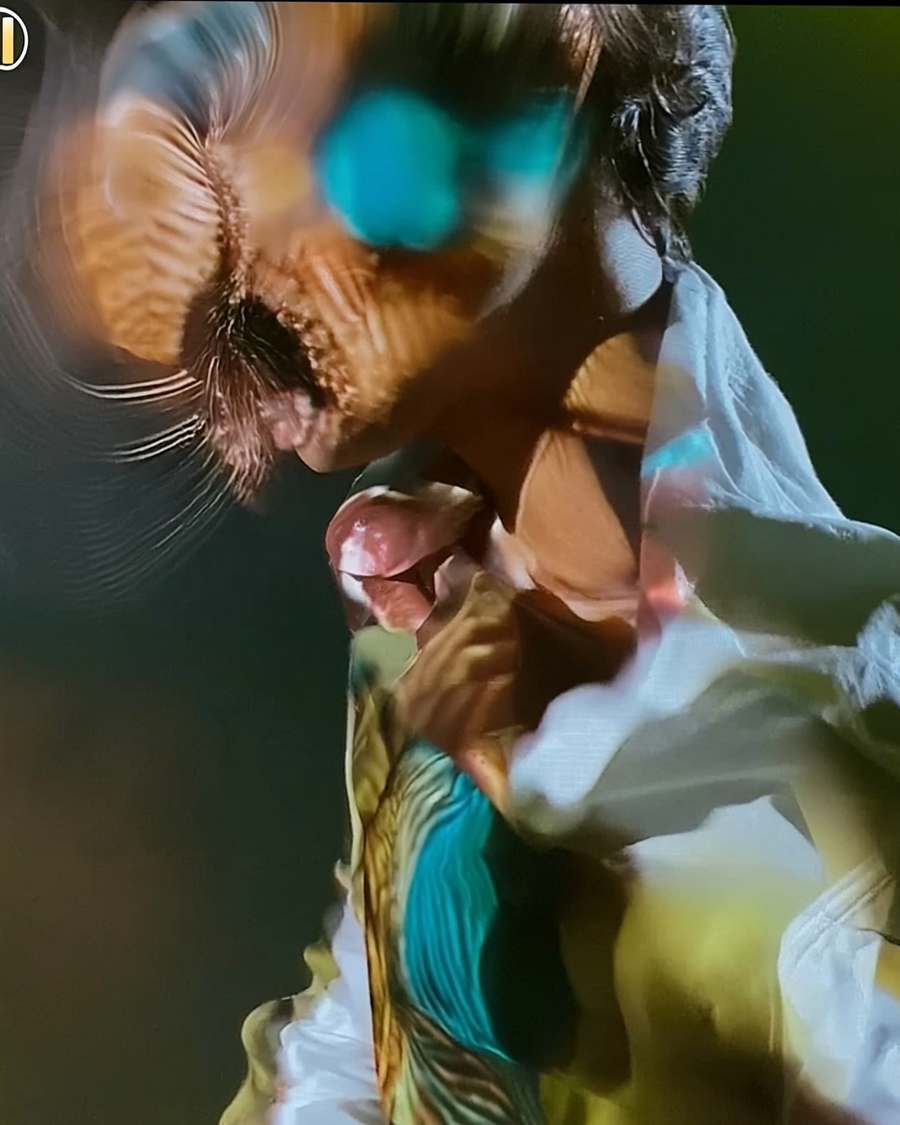
SPACE SKETCHES
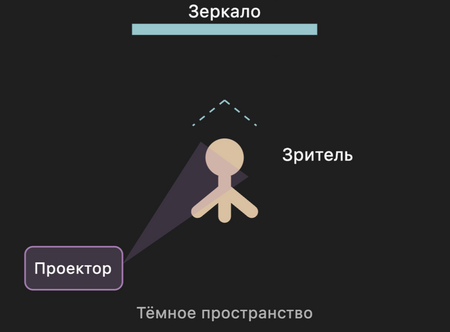
The installation comprises a completely darkened space spanning approximately 16 square meters, featuring matte black walls. At the center is an interactive zone designed for a single visitor, opposite which is placed a large mirror. A ceiling projector and a depth camera enable the superimposition of digital imagery directly onto the human body and track the visitor’s movements. The participant can move freely within the designated area, observing the transformation of their own image in the mirror. The sole primary source of artistic light is the video projection, which creates an immersive effect within an ever-changing visual reality.
AUDIENCE INTERACTION
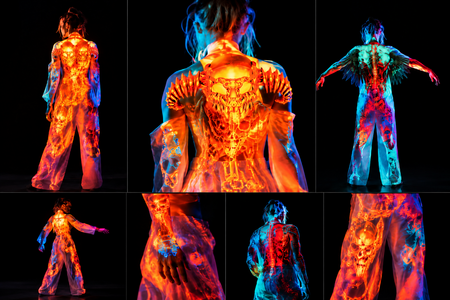
One Visitor · Loop approx. 3 minutes The viewer enters a dark space and observes themselves in a mirror. The projection transforms their body and clothing into a surface for digital imagery. 00:00–00:15 PRESENCE The camera detects the person in the active zone and launches the cycle. Colored spots and digital textures gradually appear on the body. 00:15–01:00 ALTER / DISTORTION Saturated colors and organic textures alter the perception of appearance. The viewer moves, raises their arms, and turns. The system adjusts the projection area according to the body’s position.
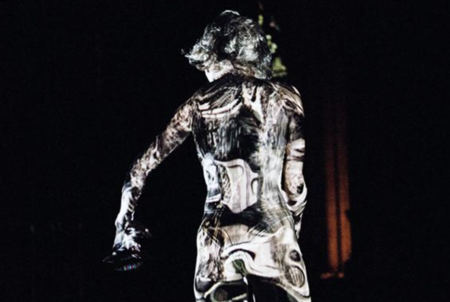
01:00–01:50 ABSORB / ACQUISITION Fragments of other images, digital masks, and abstract forms combine into a multi-layered image. This stage reveals the formation of identity through borrowed visual imagery. 01:50–02:45 ESCAPE / DISSOLUTION Images blend and lose their recognizability. Layering and visual disintegration create a sense of moving beyond a familiar self-image.
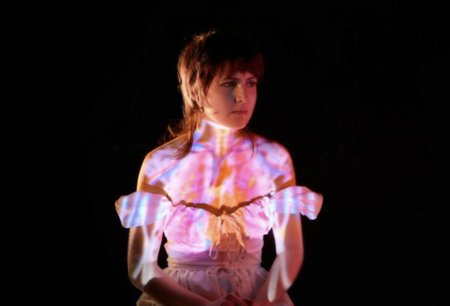
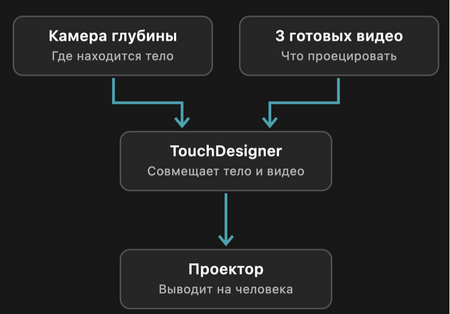
02:45–03:00 COMPLETION The projection fades smoothly. After the visitor exits, the system returns to standby mode. If the visitor leaves the active zone prematurely, the cycle smoothly interrupts and resets. INTERACTION PRINCIPLE The viewer freely explores their image through movement and reflection, without commands or an interface. Three video states are pre-prepared. TouchDesigner switches between them, processes the camera data, and adjusts the projection.
APPROXIMATE TECH SPECS
- Space • A darkened room measuring approximately 16 sq. meters (4 × 4 m). • Ceiling height of 3 meters or more. • Matte black walls, floor, and ceiling. • A 2 × 2 meter interaction zone for one visitor. • A large mirror opposite the participant.
- Equipment • One Full HD video projector. • One depth camera for human motion tracking. • One computer with a discrete graphics card. • One large mirror (approximately 2 × 2 m). • Two acoustic speakers. • Mounts for the projector and camera. • Cables, extension cords, and necessary adapters.
- Software • TouchDesigner—for controlling the interactive installation. • Automatic tracking of visitor position and movement. • Projection mapping onto the human body. • Automatic video switching and audio synchronization. • Automatic startup and completion of the interactive cycle.
- Lighting • Maximum darkening of the space. • The primary source of artistic light—video projection. • Minimal accent lighting at the entrances and exits. • Safe projector placement, accounting for reflections from the mirror.
- Mediation and Support • One mediator or attendant to manage visitor interaction. • One technical specialist for equipment installation, setup, and calibration. • The installation must operate autonomously without constant operator control.