The material was prepared based on articles and the dissertation by Dazhina, comments and publications from the journal Dialogues of Art featuring Lyudmila Andreeva, analysis of inventory records of received numbers, the research book by Valery Turchin, analysis of admissions based on open materials, calculations of temporal coincidences, media publications, and work with the archives of the State Central Exhibition Hall (Gtsi) and MMOMA.
— People say you don’t actually have a collection that could serve as the foundation for a modern art museum. At the very least, no one has seen it yet. Can you show it to us right now to disprove the rumors?
— Which museum displays exhibits in advance?
Name just one instance in the world! That is the mystery of art critics!
Back in the distant 1970s, the Ministry of Culture and the Union of Artists of the USSR pondered the creation of a modern art museum. But what exactly constituted a modern art museum within the Soviet Russian culture? There was no clearly formulated answer to turn that idea into a reality, so the concept was set aside for some time.The issue was raised again in the 1990s, and this time there was an answer provided by Zurab Konstantinovich Tsereteli—a monumental artist, sculptor, and president of the Russian Academy of Arts.With support from the Moscow government, and in collaboration with the Russian Academy of Arts (RAH), the Museum of Modern Art began to take shape at 25 Petrovka Street, in the old Gubin manor.
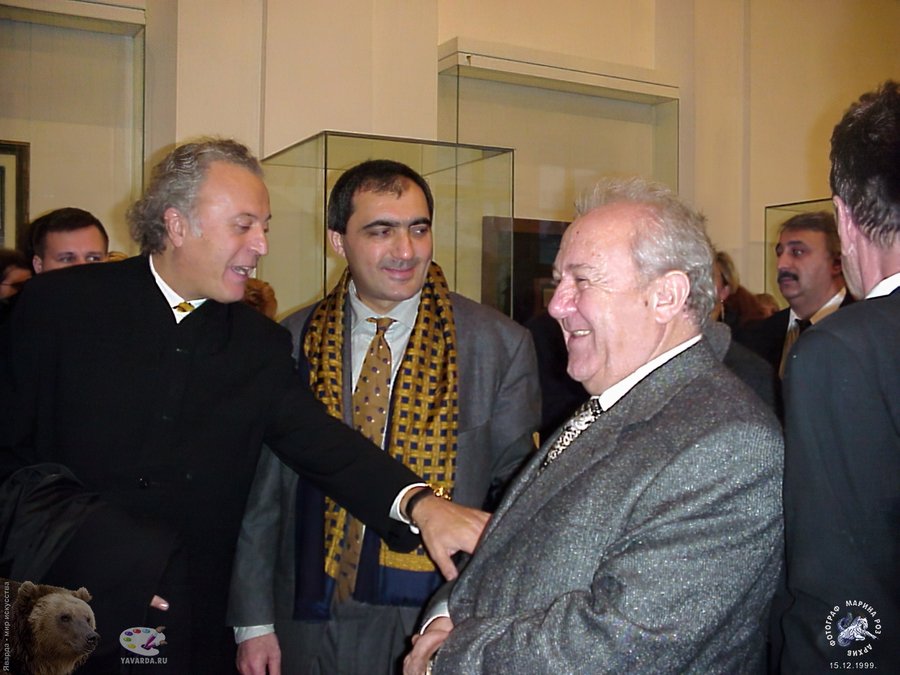
As Valery Turchin once said, a dream was realized with the energy characteristic of Zurab Tsereteli.
Zurab Konstantinovich, his conceptual and physical creator, formed a complete vision for the Museum of Modern Art—one that considered European trends in other museums while honoring Russian tradition—and embarked on creating the first modern art museum in Russia.
What should such a museum be, and what should its collection comprise?
In 1999, the museum took a bold step—to tell and show the entire beauty of the Russian Avant-garde. The art of the 20th century in its fullness, featuring the main representatives of this wonderful and bygone era. The large building of the former Gubin estate transforms into a grand space, born from the work of Zurab Tsereteli and his team.The museum invites visitors, high-ranking officials, artists, curators, and art historians to see a new, vibrant institutional discourse within the walls of the Moscow Museum of Modern Art. Chagall, Kandinsky, Larionov, Goncharova, Roer, and Brancusi are all exhibited here. Boldly and precisely.However, the opening was not only built upon Tsereteli’s own contribution—but also on the support of the exhibition by other institutions and their works. There was much public debate about why the museum presented not only its private collection but also works from other collections and other museums. And here we will focus—specifically on the debates.Because they created the central question: what is the museum’s strategy for presenting its collection to the public?Zurab Konstantinovich says in Valery Turchin’s book:
I wanted all Russian museums to be involved in creating this museum.
Scale. That is what greeted visitors upon entering the museum—its scale. Let’s look at what lay behind that scale and try to understand the museum’s trajectory from 1999 to 2002.
1999 ON THE ROAD TO THE INCOMBANK ACQUISITION
2002
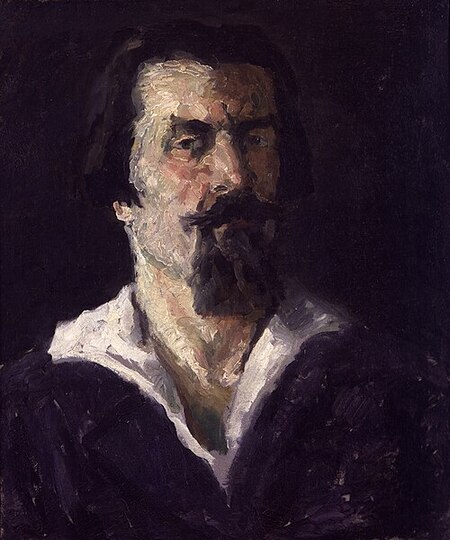
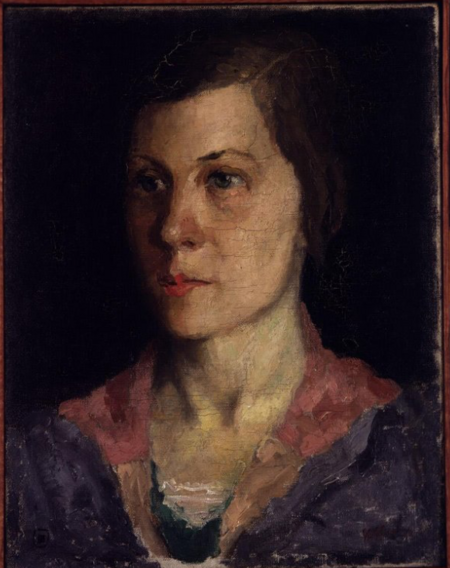
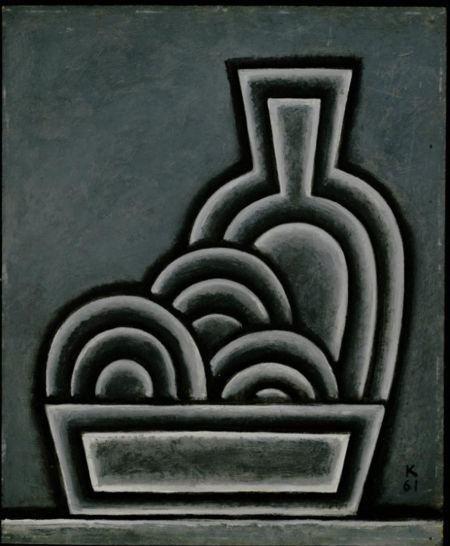
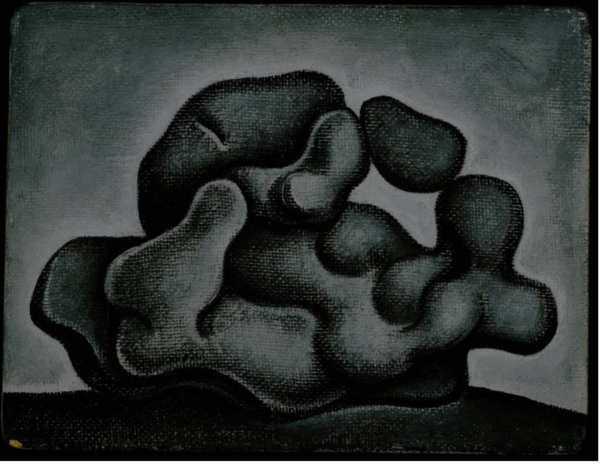
In 1999, the museum opened with a fanfare. On the walls of the former Gubin estate, which had been whitewashed and prepared for the new museum, works by Marc Chagall, Picasso, Larionov, Goncharova, Burliuk, Izdebsky, Pirosmany, Arman, Tyshler, and many, many other representatives of the 20th-century era were displayed.
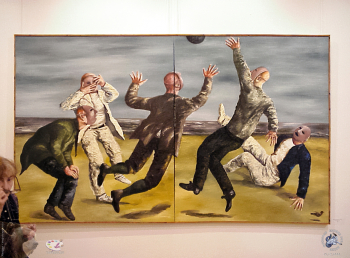
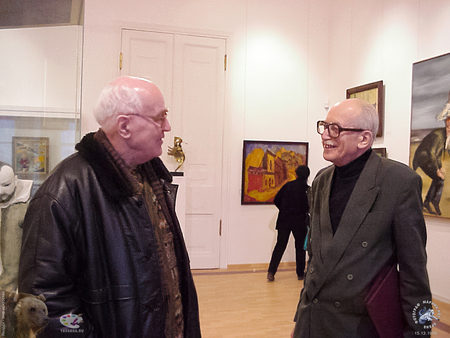
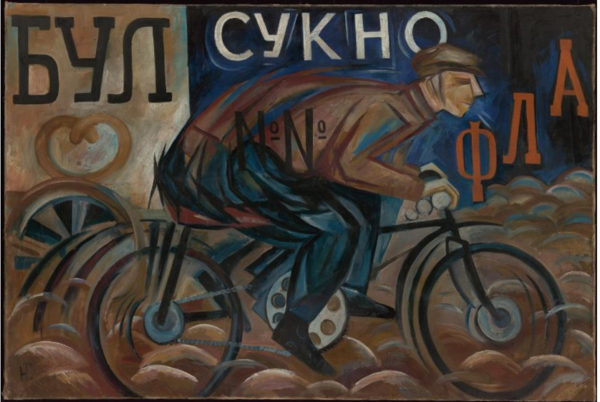
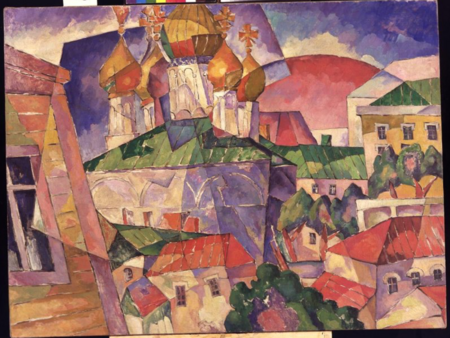
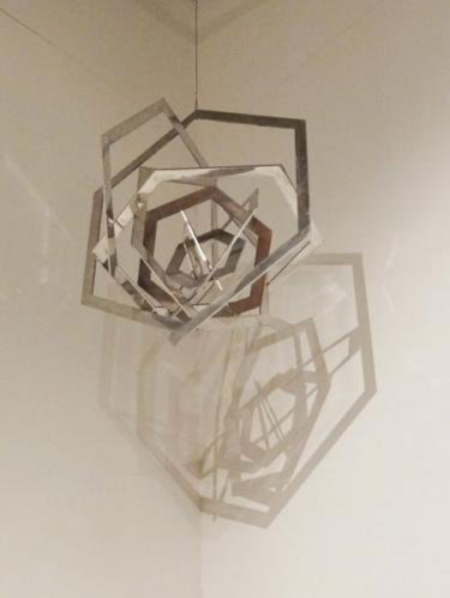
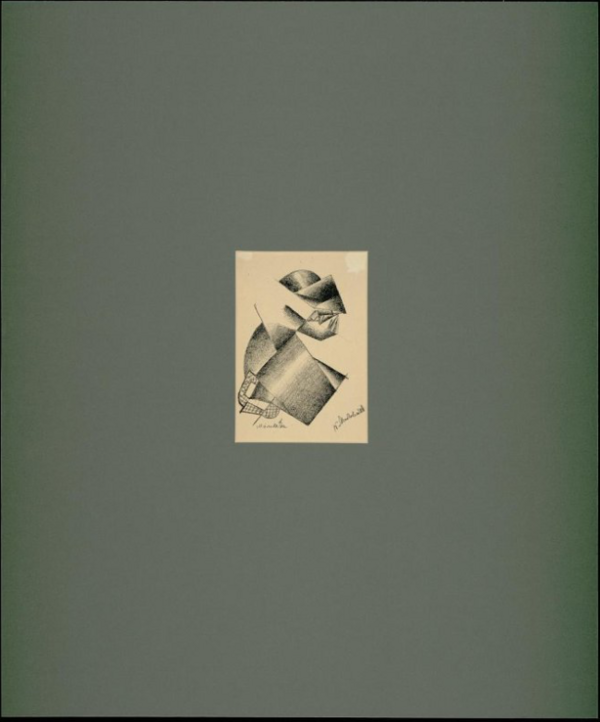
Zurab Konstantinovich’s collection truly encompassed a vast stratum of art representing the domestic avant-garde. Moreover, the internal makeup of the collection categorized the avant-garde not only by representatives of well-known movements such as Cubism, Futurism, Primitivism, and Modernism. It also included a body of artists who worked with Primitivism, Naivism, Rayonism, and Cubo-Futurism.
FROM PIROSMAN TO RODCHENKO
Бурлюк Давид Давидович Мужской портрет.
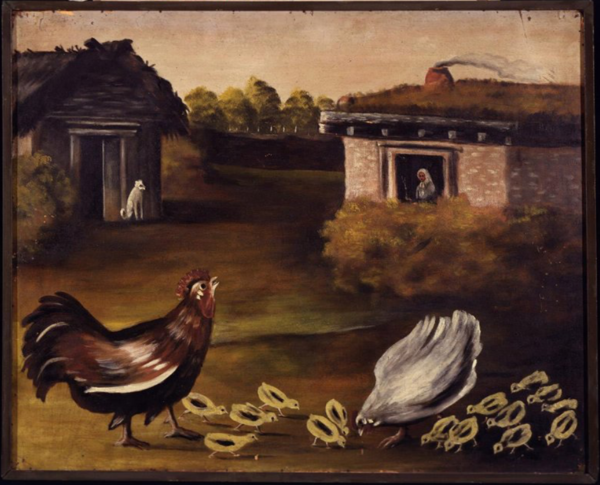
Пиросмани Николай Асланович Наседка с цыплятами.
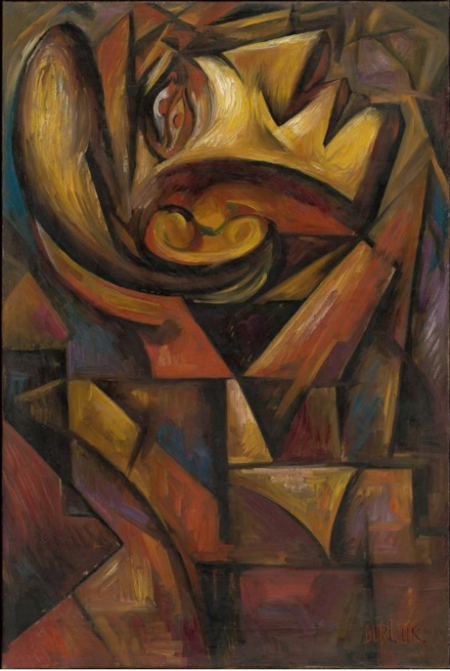
1940s, canvas, oil, 80×54 cm 1910s, cardboard, plywood, oil, 80,8×101.2 cm
TO WHAT SILENCE
THE SECOND HALF
INCOMBANK BANKRUPTCY
2002