⁽¹⁾ Concept
Japanese video art developed along a trajectory distinct from those in Western Europe and America. The widespread adoption of video technology in Japan was delayed due to the high cost of equipment and limited availability of portable devices. Although the Portapak video camera became available in 1967 and served as a vital tool for independent artists in the U.S. and Europe, institutional interest in video art and a sustained artistic community in Japan did not form until the late 1970s. Nevertheless, the 1960s were the pivotal period in shaping the cultural environment from which Japanese video art later emerged: student protests, the crisis of post-war identity, the re-examination of art’s role, and the search for new modes of artistic expression created a demand for media capable of capturing not only external reality but also internal psychological states. Video and experimental cinema, which existed as deeply intertwined media at the time, were perceived not as tools for representation, but as forms of inquiry into perception, time, and memory.
Star and Propeller 2000
In the 1970s, minimalism began playing a significant role in Japanese visual culture, emphasizing understatement, imperfection, and ephemerality. During this period, the materiality of the medium itself became a subject of artistic reflection: the camera was no longer perceived as a transparent window into reality, and artists grew interested in the defects of the image—grain, light flicker, the physical presence of film. It is within this artistic environment that the work of Isao Yamada, also known by the pseudonym Yamavica, was formed.
«When I first shot a film with Yumekichi Minatoe, our key word was 'atmosphere.' The worldview I want to express first and foremost is 'a phenomenon that seems to exist, but doesn’t'”—said Yamada.
Isao Yamada occupies a space between the tradition of experimental film and the practices of video art. Growing up in the milieu of theatrical avant-garde and starting to work with 8 mm film, the director developed his own visual system—the «Yamavicascope.» Within this poetics, the technical parameters of the image carry meaning to the same degree as the narrative content. His short films exist at the intersection of documentary and dreamlike experience: the visual imagery remains fluid and multi-layered, and the emotional atmosphere proves more vital than linear storytelling. The boundary nature of his medium and the interdisciplinarity of Japanese visual culture create an environment in which Yamada intensifies focus on micro-movements, random gestures, and subtle shifts in light.
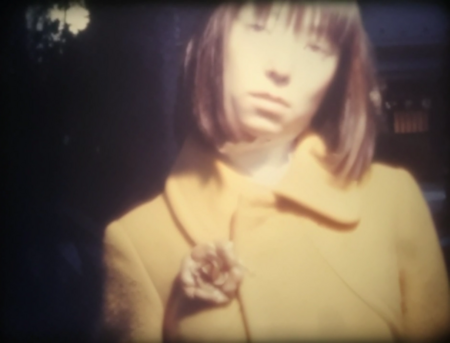
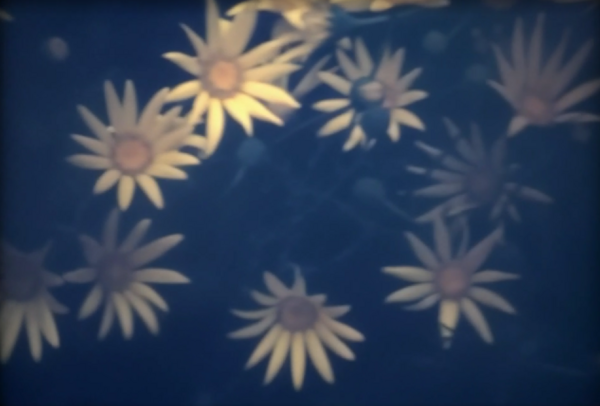
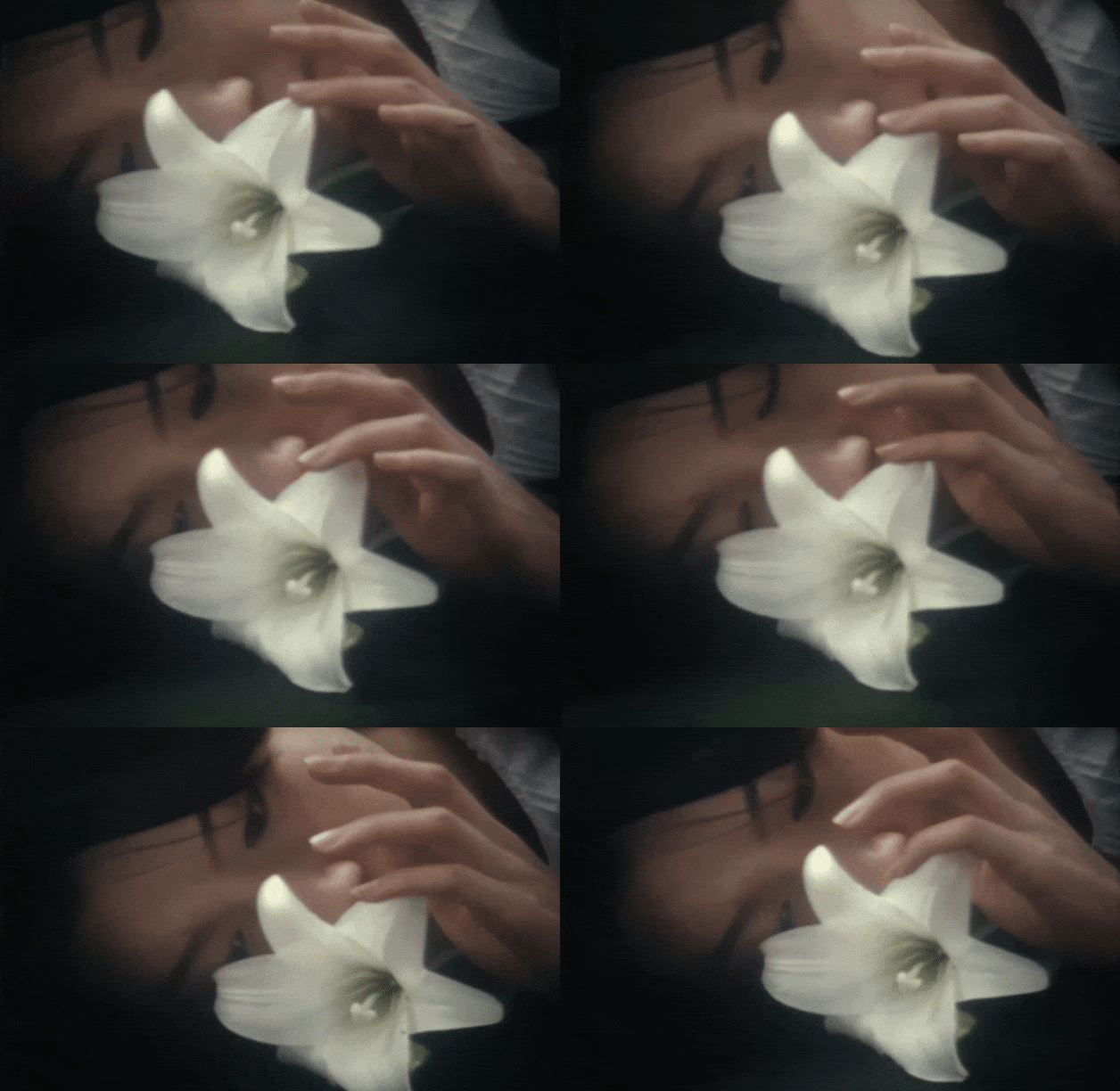
Winter Flower (2003)
The research hypothesis is that the melancholic effect in Yamada’s films arises not from the narrative motivation or thematic content of the works, but is primarily constructed on a formal level—through micro-gestures, minute details, specific light manipulation, and editing shifts between shots. The research material consists of eight short films by Isao Yamada, created between 1987 and 2008—from Lynx Reel to Winter Has a Dream. The selection of these works is based on their chronological representativeness, genre homogeneity, and the feasibility of frame-by-frame analysis.
⁽²⁾ Nerve in Detail
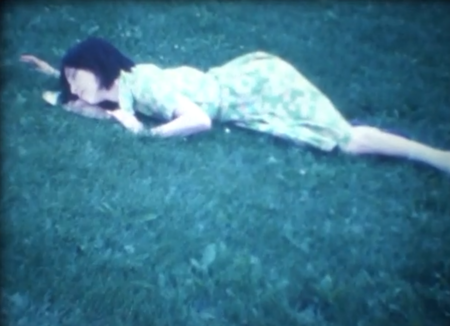
This chapter analyzes the principle of the micro-gesture and micro-detail—what Yamada calls the «nerve penetrating the detail.» In his films, the event is not the action itself, but its minimal trace: a millimeter turn of the head, a hand frozen in mid-air, a falling leaf, a scratch on the film.
Lynx Reel 1987
Crystal 1988
«When I look at various forms of expression, persuasiveness is the key for me to how deeply the nerve penetrates the „details, ” even if they are invisible.“
Orpheus (2001)
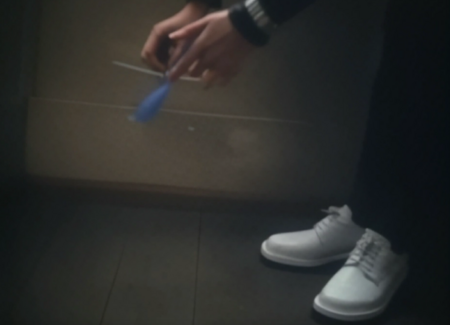
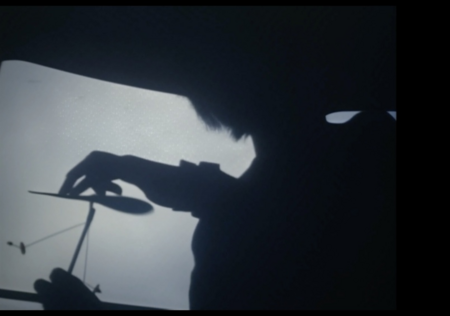
The director shifts the focus from action to the subject’s physical engagement with the world. For example, in the film «A Star and a Propeller» (2000), the barely perceptible rotation of a toy propeller in a finger replaces active narrative, transforming into a meditative exploration of the mechanics of childhood memory.
Star and Propeller 2000
lynx reel 1987
«Mutual support should be shown not through theory or words, but through gestures and actions.»
Crystal 1988
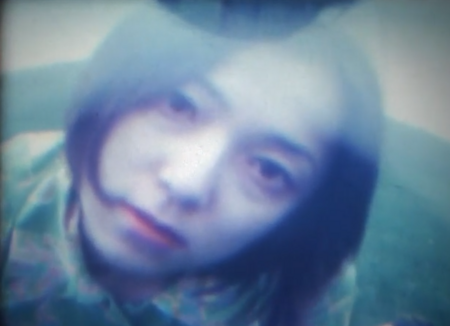
Through the reflections and granular texture of the 8 mm film, the space achieves an optical complexity. In the painting «Girl Orphee» (2001), the heroine’s face, doubled in the dark gloss of the floor, literally visualizes the concept of «the presence of absence.» The reflection blurs the clear boundary between the real physical body and its dreamlike double.
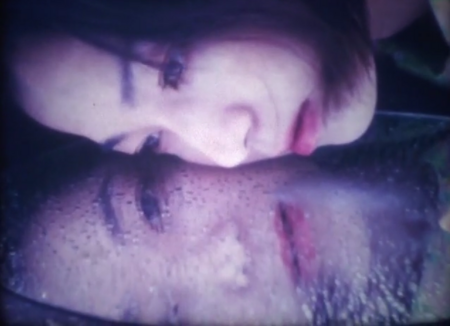
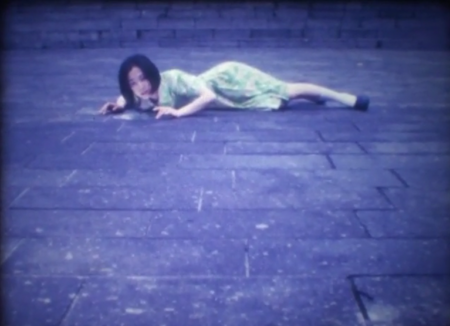
Orpheus (2001)
⁽³⁾ Light as Matter
This chapter examines Yamada’s work with light—not as a lighting tool, but as an autonomous material. For him, light does not explain form; it deconstructs it: highlights bleach faces to a stark white, shadows exist separately from the objects, and overexposure erases the boundary between the visible and the ephemeral.
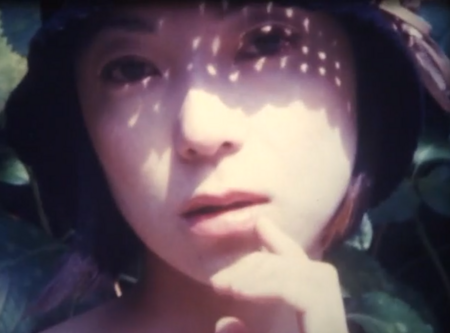
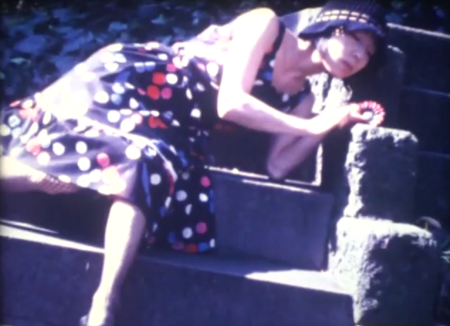
Feeling (2004)
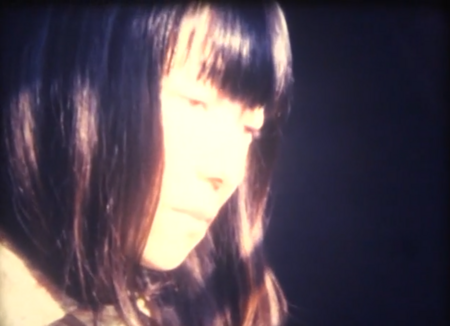
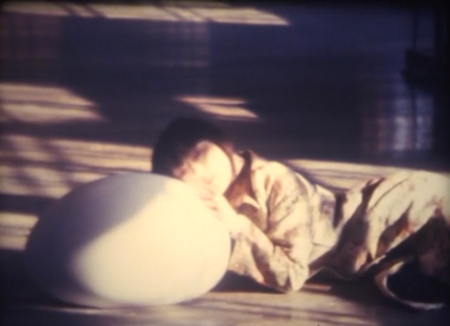
In Winter There Is a Dream (2008)
Inspiration from Chrysanthemums (2005)
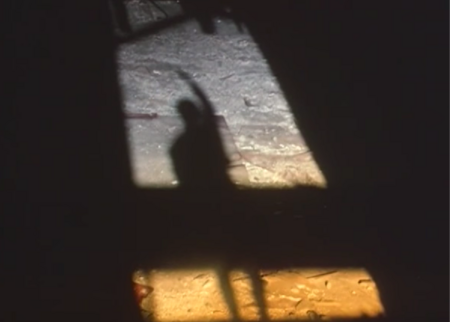
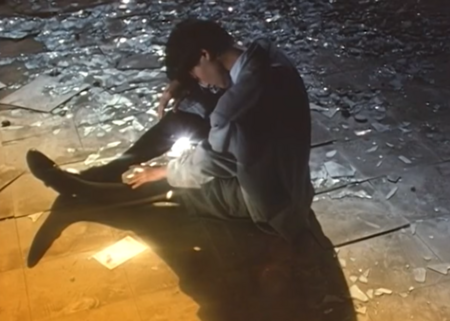
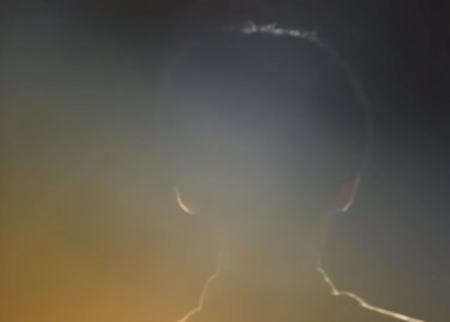
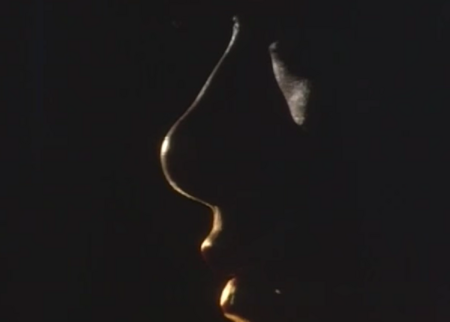
Crystal 1988
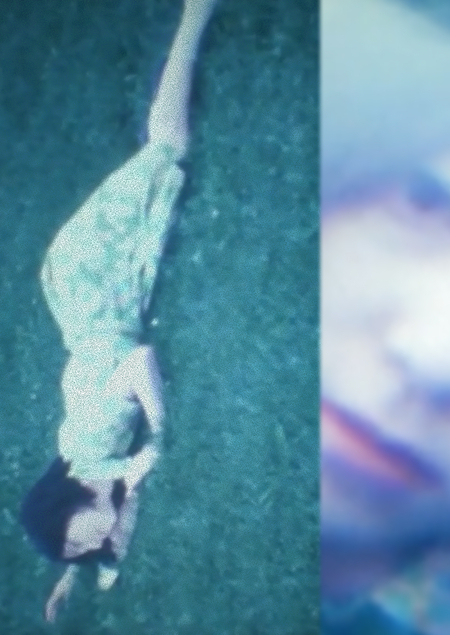
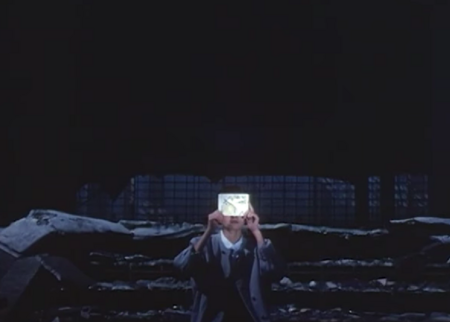
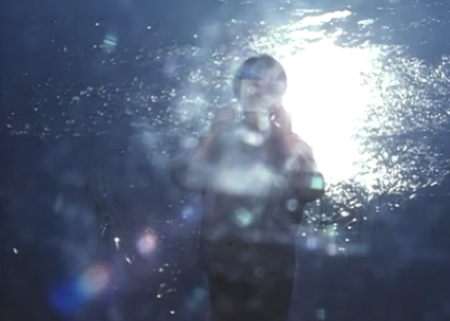
Yamada actively explores depersonalization through chiaroscuro. Instead of presenting a psychological portrait, he offers the viewer contemplation of an elusive form, utilizing contrasting silhouettes and deep shadows. This technique is clearly illustrated in his early film «Crystal» (1988), where the character figure, defined by a dark outline against a shimmering light, is stripped of quotidian specificity and becomes a pure medium of melancholy. Here, the shadow proves more tangible and expressive than the object itself.