(1)
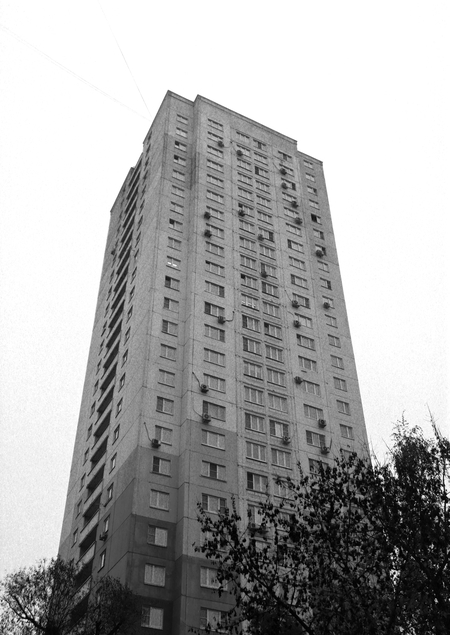
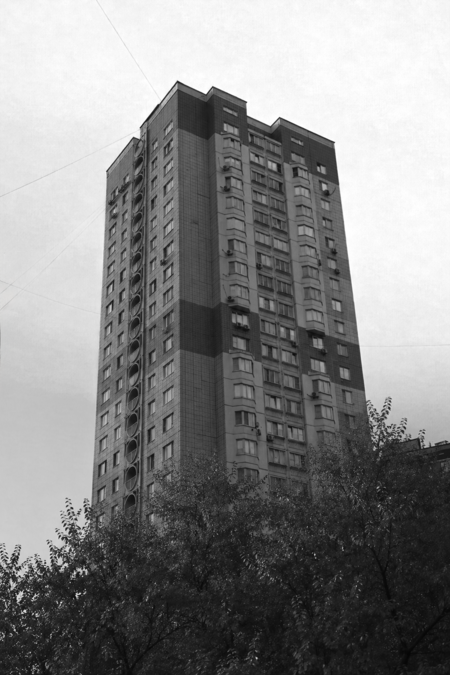
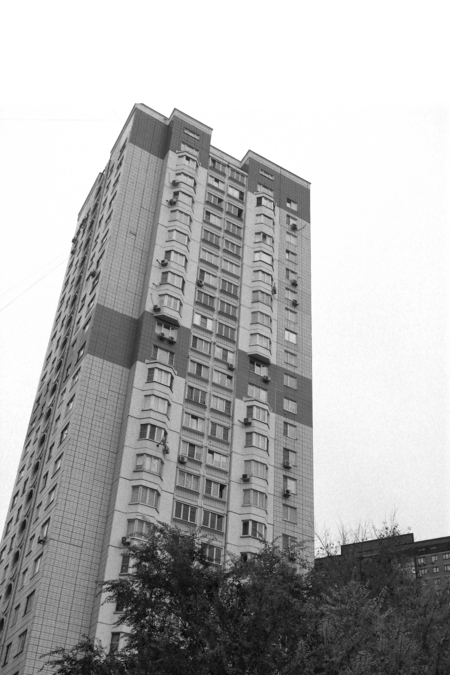
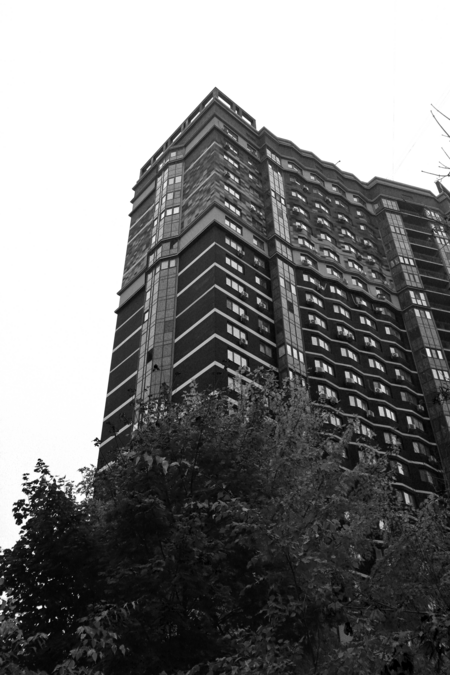
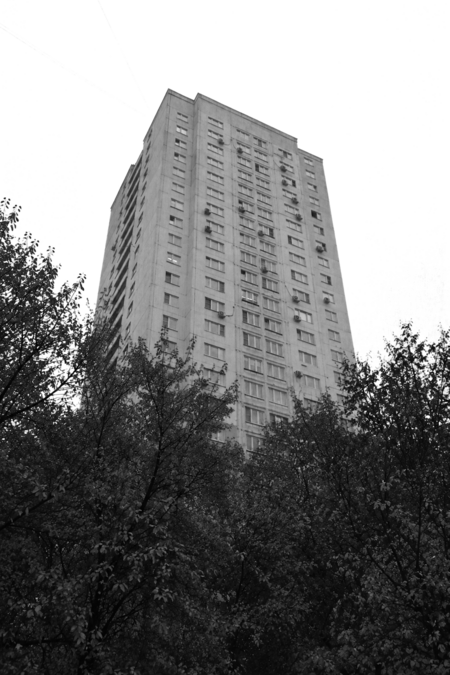
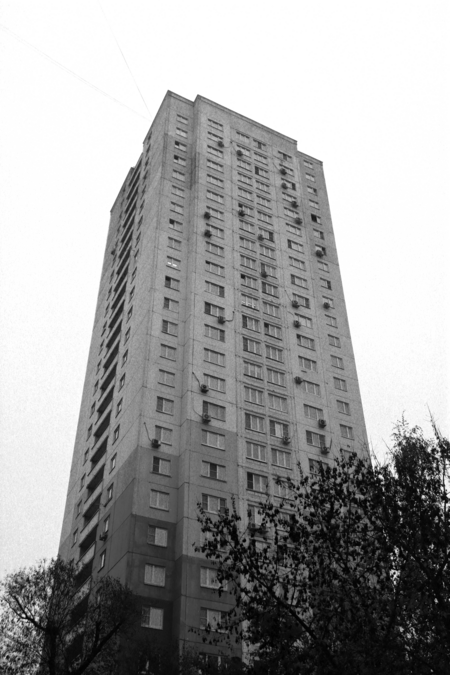
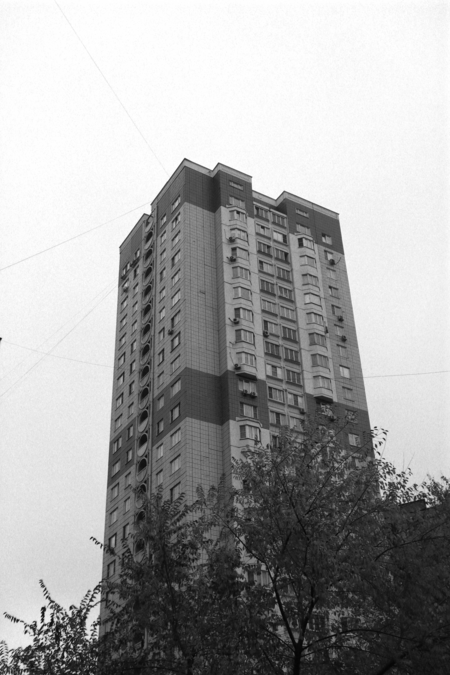
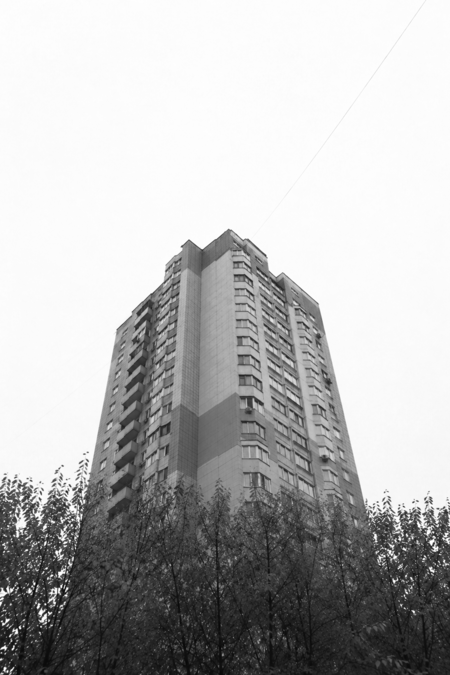
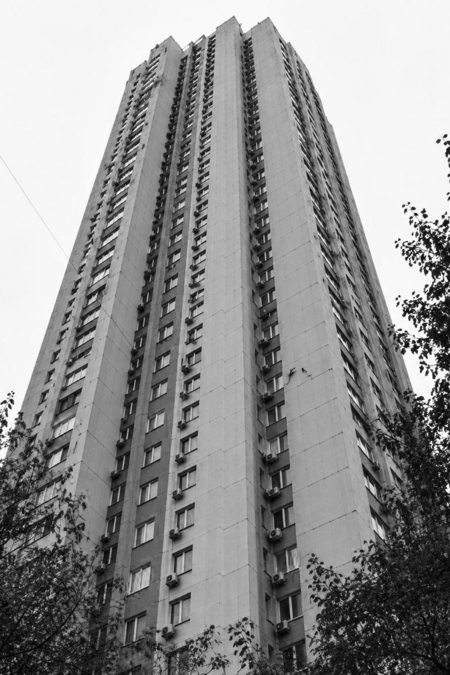
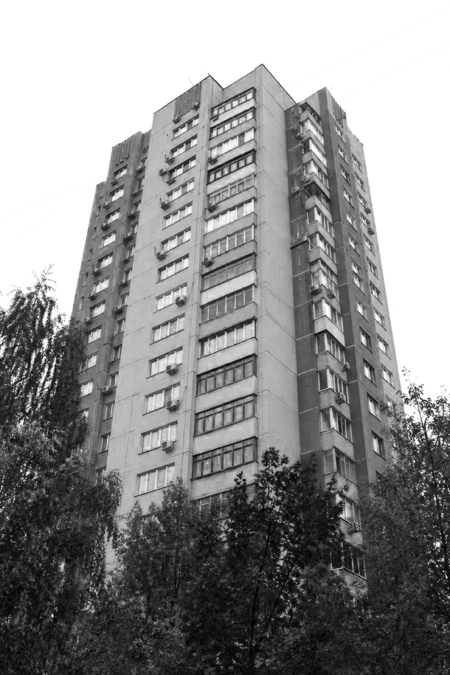
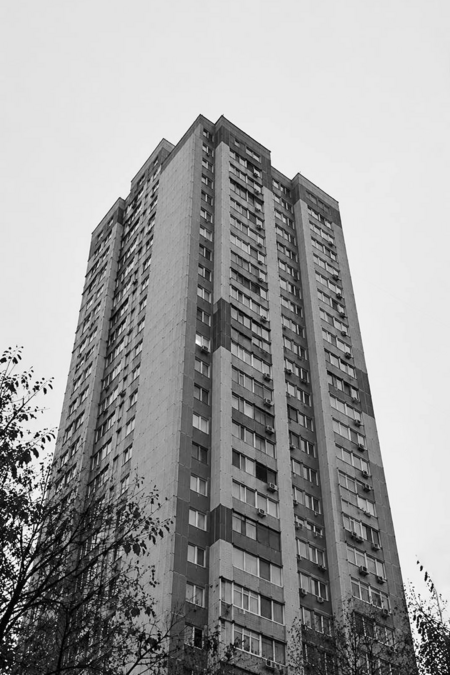
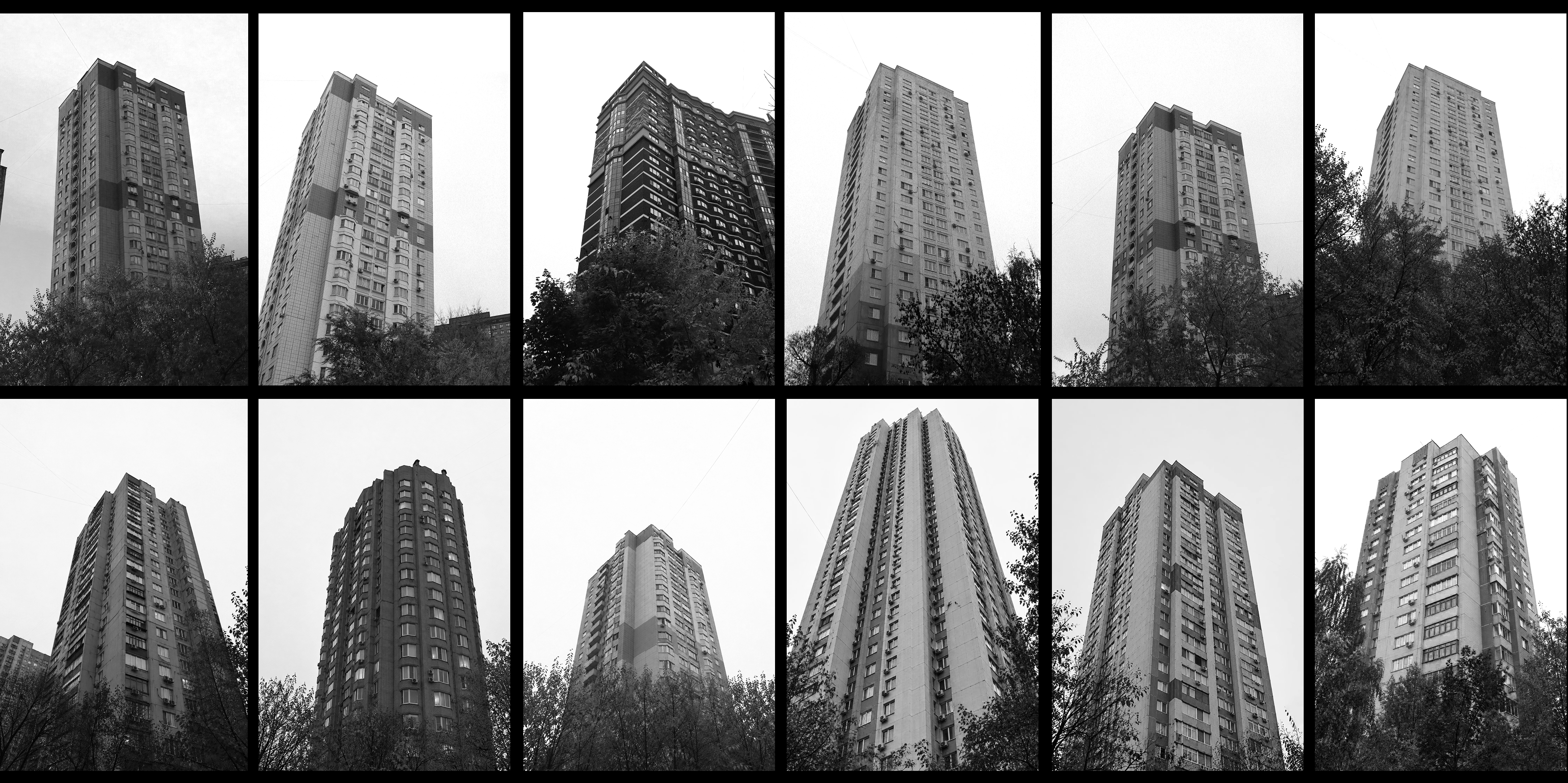
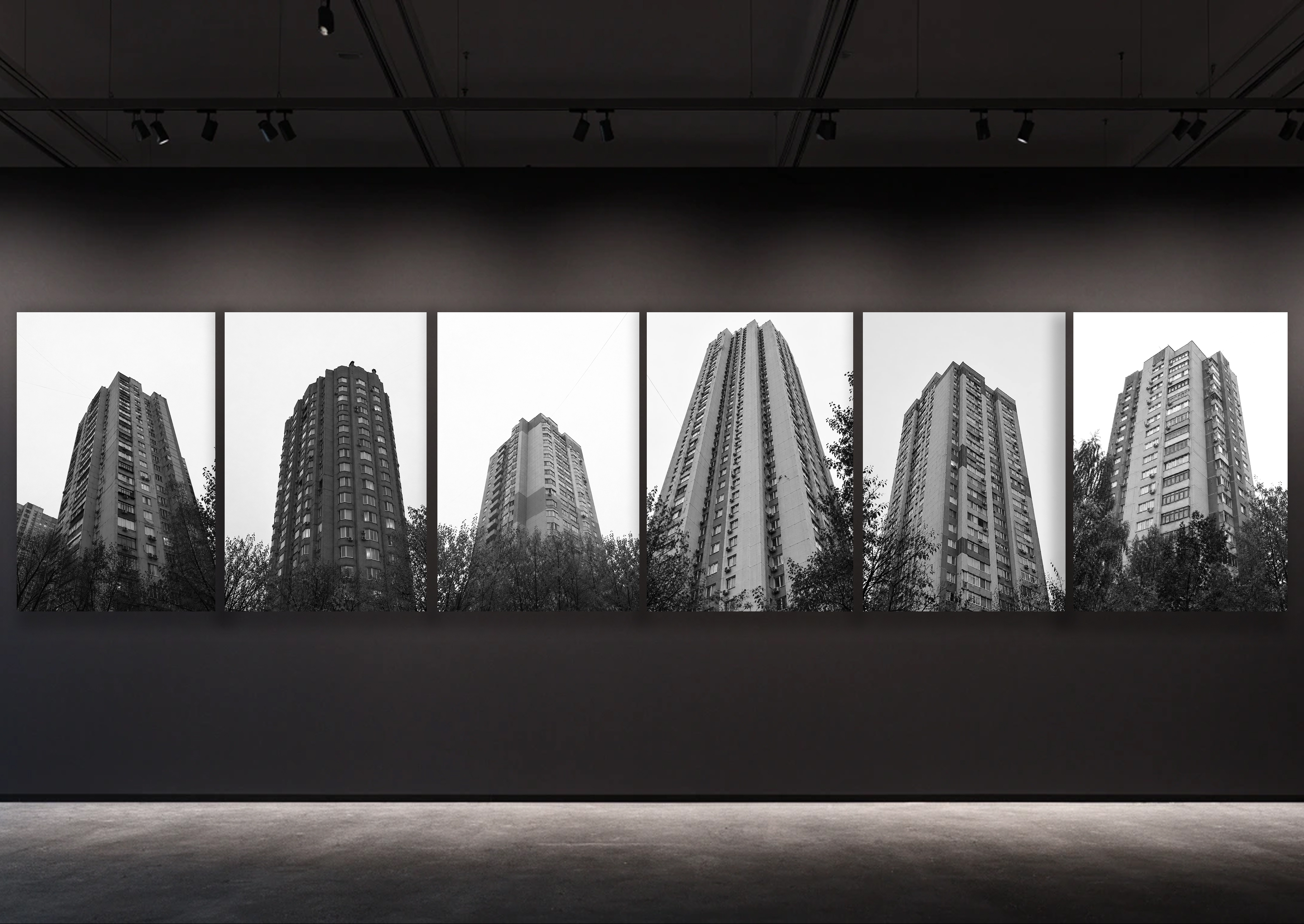
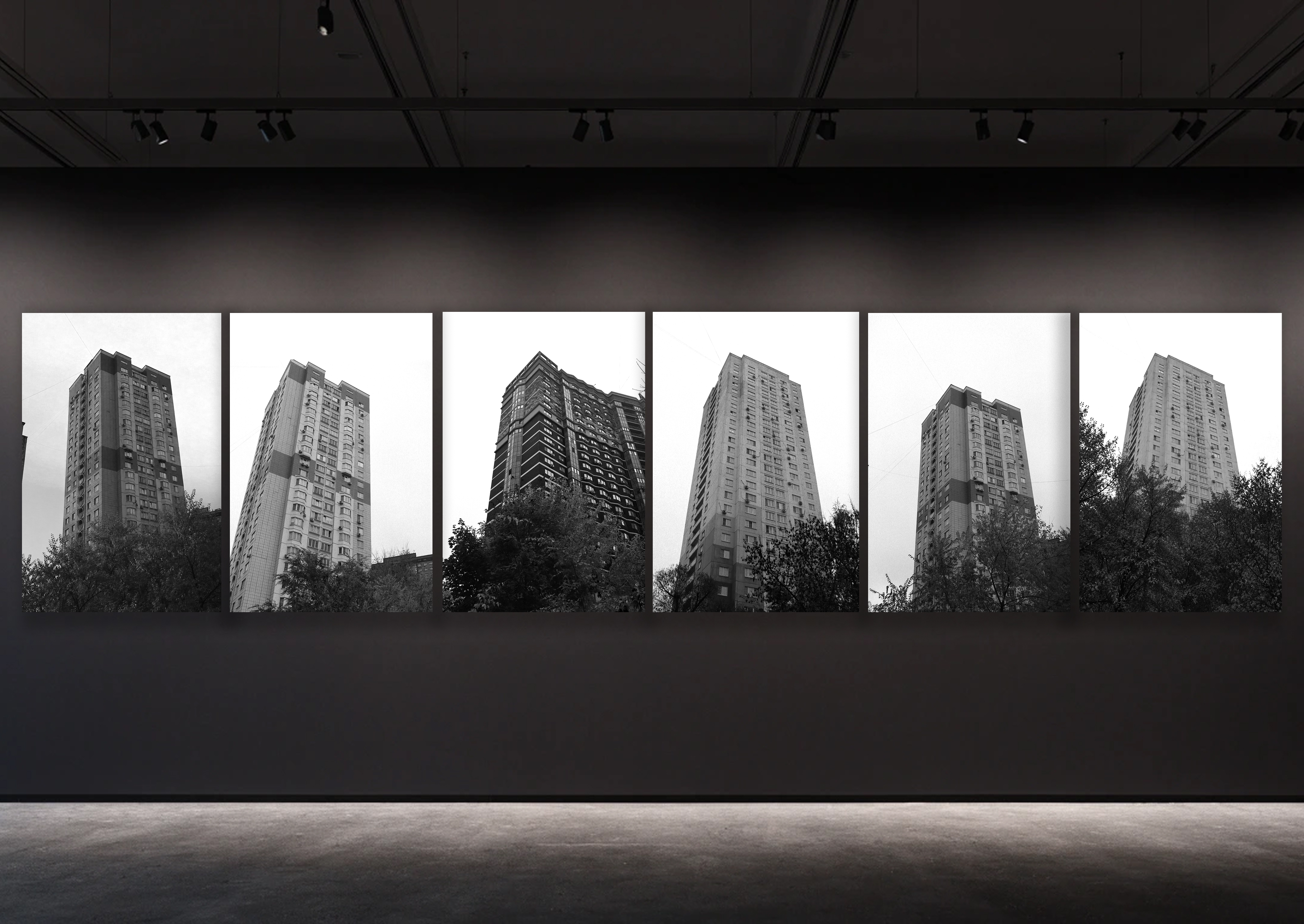
The urban environment is shaped at the intersection of the natural and the artificial. In this series, high-rise architecture is examined through vegetation that conceals its foundations, transforming it into a transitional point between the earth and the built environment. This evokes an image of a city where architecture is not so much opposed to nature as it visually grows from it.
(2)
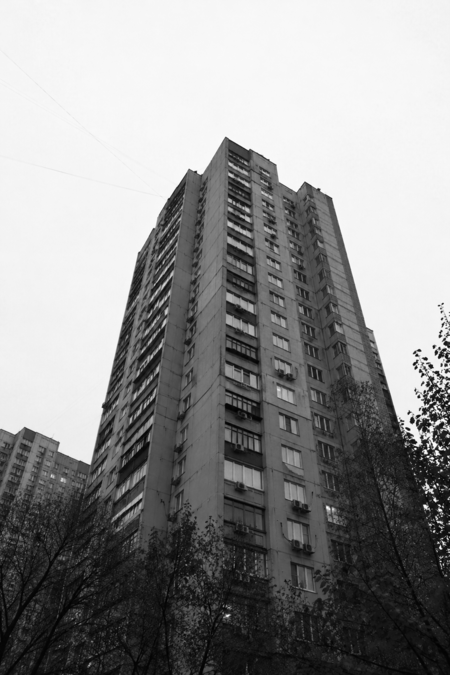
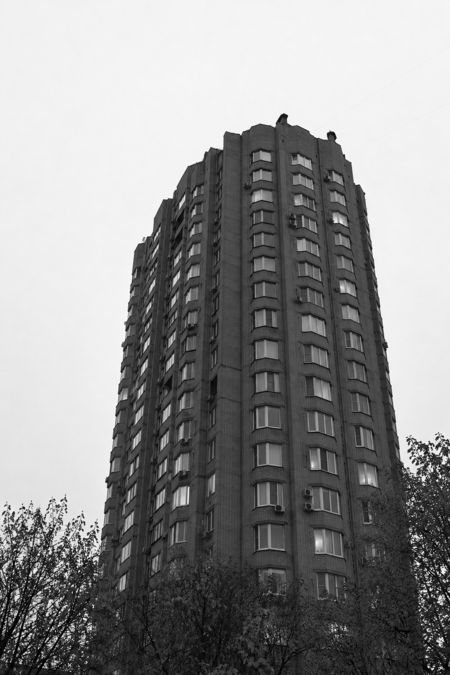
The vertical axis unites natural and architectural forms, creating a visual kinship between trees and high-rise buildings. Trunks and branches visually continue into the silhouettes of houses, blurring the boundary between the organic and the artificial. The urban landscape is perceived as a continuous movement from earth to sky, where diverse forms of growth become part of a unified composition.
(3)
The repetition of a low angle unites the photographs into a sequence of variations on a single image. The differences in the facades fade into the background, yielding to the overall composition: the vegetation, the building’s verticality, and the bright sky. The familiar urban fabric loses its specificity, and the architecture begins to be perceived as an extension of the surrounding landscape, blurring the visual boundary between the natural and the artificial.
(4)
«…You can only see what you are ready to see—what reflects your consciousness at this time, ” says George Tice.