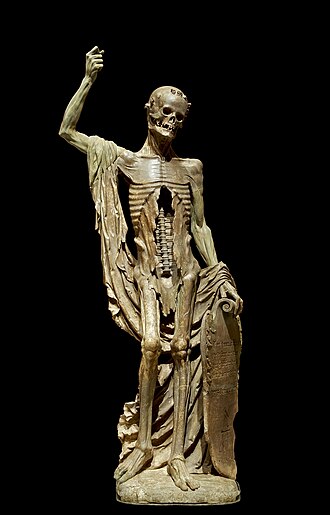
Death is a universal phenomenon that befalls everyone, regardless of social status or position. Throughout history, death has been feared, respected, and naturally, avoided. Yet, in the face of inevitable reality, death signifies the completion of the life cycle. However, not every culture or era has held this view. For my visual study, I chose the theme of funerary rituals and tombstones, spanning from Egypt to the Middle Ages. In this visual research, I attempt to understand how culture has evolved—specifically, how different peoples perceived death and the afterlife across various eras. The theme of death will always remain one of the most sensitive topics. In our modern time, it is often taboo or a subject people try to sidestep. However, it is a vital part of life that deserves contemplation, because it influences how we live. People from different cultures held this view, and thus, death was an integral part of their lives and a driving force for them to live. Therefore, my research seeks to present the theme of death not as something terrifying or dreadful, but as a subject that demands conversation and reflection. Because the sooner we accept our mortality, the sooner we begin to truly live.
The study is divided into four chronological blocks: 1) Primitive and archaic forms (totems and kurgan mounds); 2) Ancient Egypt (sarcophagi and masks as a magical shield); 3) Antiquity (Greek and Roman stelae as a dialogue with the past); 4) The Middle Ages (recumbent figures/effigies and Christian symbolism). This division allows for a clear illustration of the evolution of visual language.
BLOCK 1: PRIMORDIAL
Megaliths are ancient structures or massive stone blocks and monoliths erected in prehistoric times (primarily during the Neolithic, Chalcolithic, and Bronze Ages) without the use of binding mortar.
First photo: Stonehenge—a UNESCO World Heritage site.
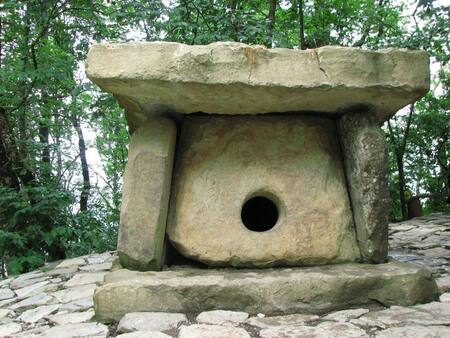
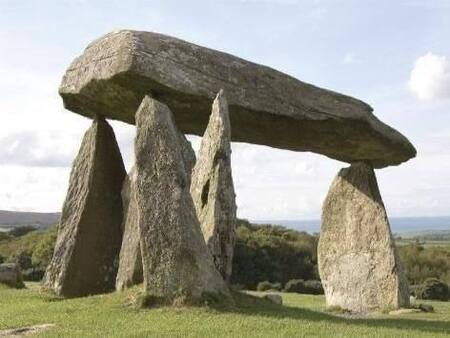
Dolmens are ancient megalithic structures built from enormous stone slabs or blocks weighing several tens of tons.
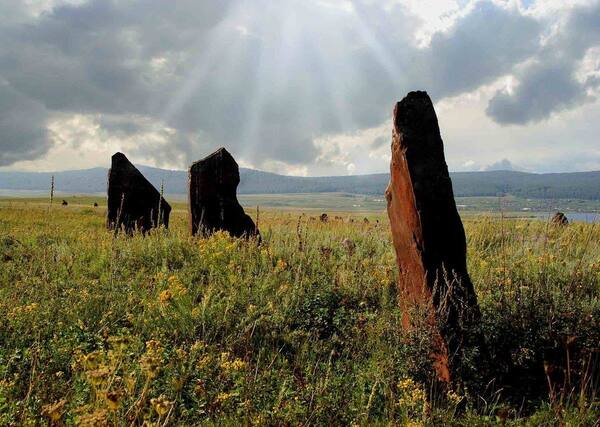
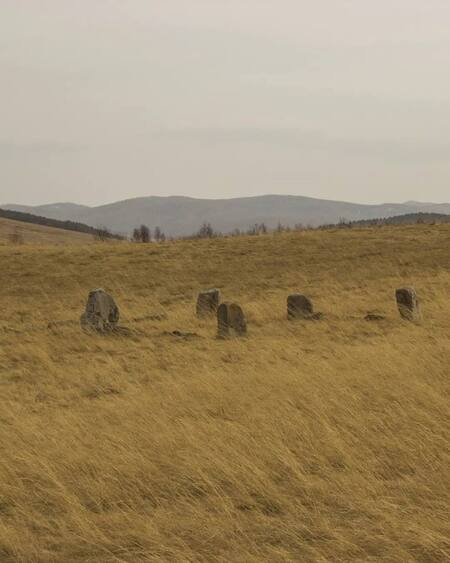
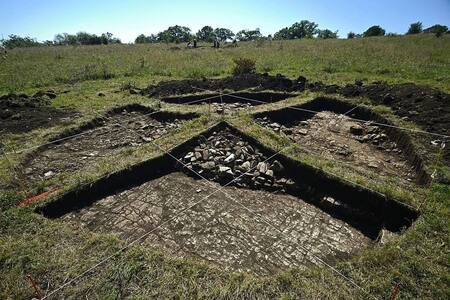
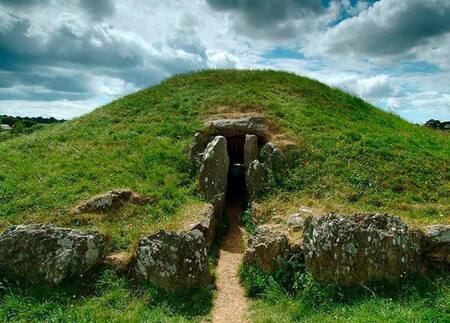
Ancient burial mounds are man-made earthen or stone mounds erected over burials, which served as tombs, ritual sites, and symbols of status for ancient peoples.
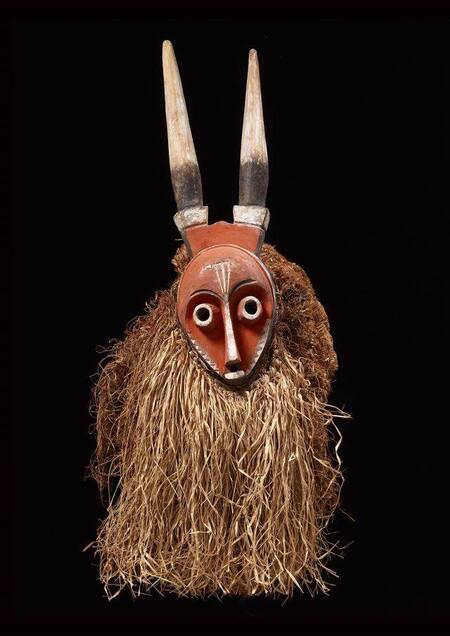
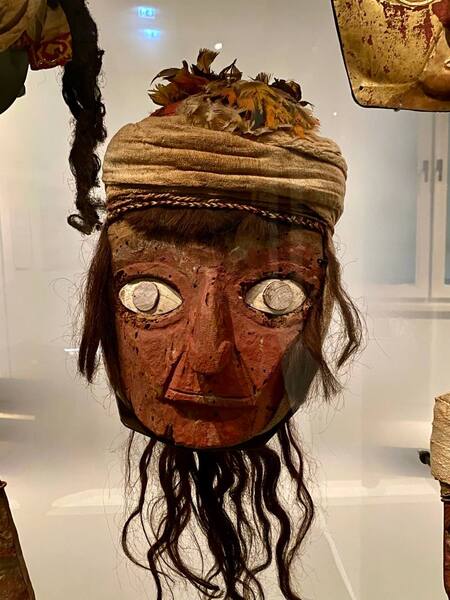
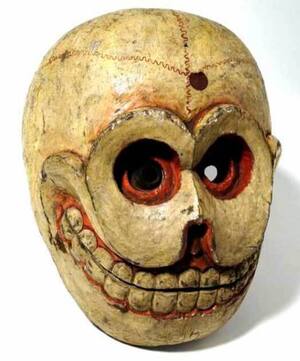
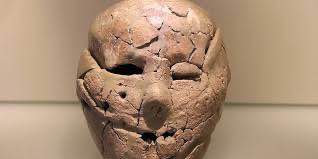
A funerary mask is a traditional piece of decorative and applied art (made of metal, gold, wood, plaster, clay, or stone) that ancient cultures placed on the face or skull of the deceased before burial.
BLOCK 1
CONCLUSION: Death as a collective ritual, the absence of an individual persona.
BLOCK 2: ANCIENT EGYPT
Pharaohs' sarcophagi in Ancient Egypt served as the «house for the soul» and a protective casing for the mummy. They varied in materials, shape, and construction (often taking the form of a system of nested «matryoshka dolls»).
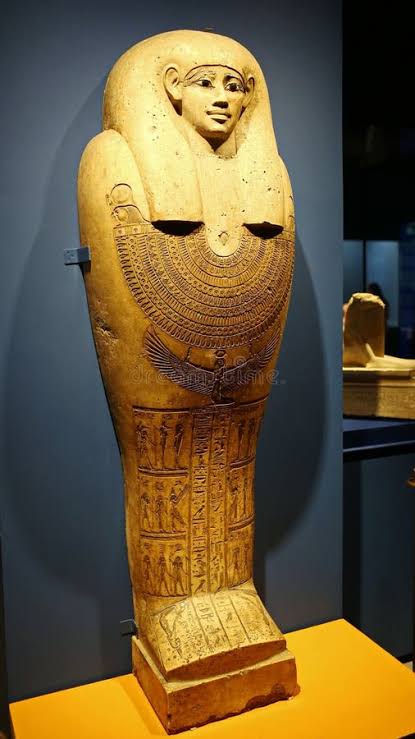
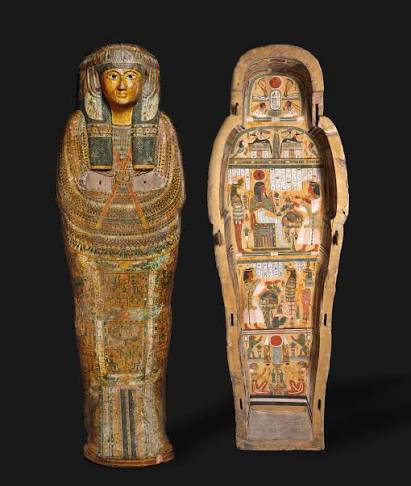
SECOND IMAGE: Stone sarcophagi are massive monolithic or composite stone coffins (made of granite, marble, basalt, or limestone) used to bury nobility and rulers in Ancient Egypt. FIRST IMAGE: Wooden anthropoid sarcophagi are burial containers shaped like the human body, which were widely used in Ancient Egypt.
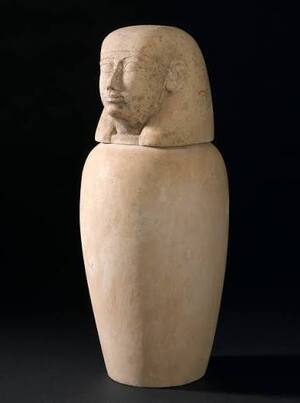
FIRST IMAGE: Canopic jars are ancient ritual vessels (lidded jars) in which the internal organs removed from the bodies of the deceased during mummification were stored. The name derives from the ancient Egyptian city of Canopis, where the balm for these vessels was made.
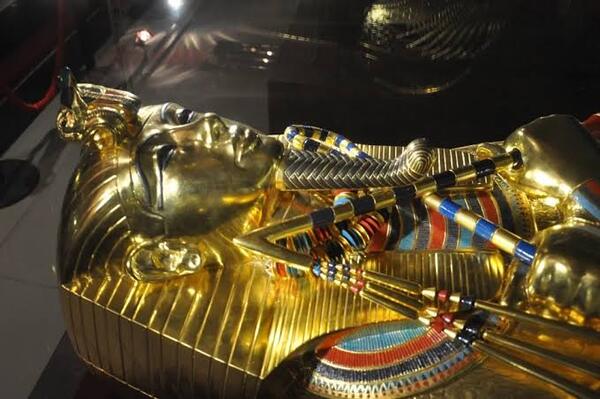
SECOND IMAGE: Gold and gilded sarcophagi represent the pinnacle of the ritual art and jewelry craftsmanship of ancient civilizations, created for pharaohs, kings, priests, and nobility. They were regarded not merely as burial containers, but as an eternal «home» and a divine shell for the deceased’s soul.
FAMOUS PHARAOHS AND SARCOPHAGI
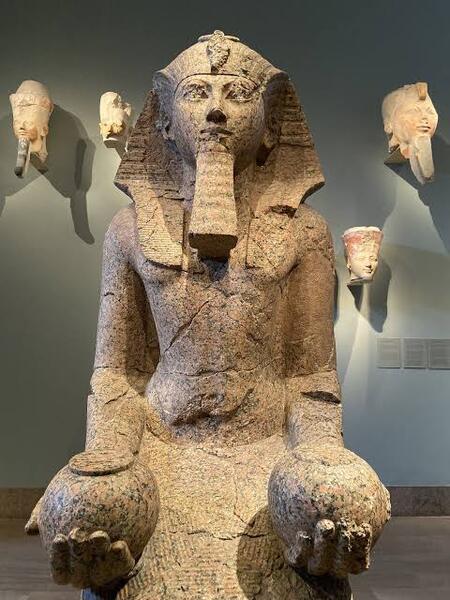
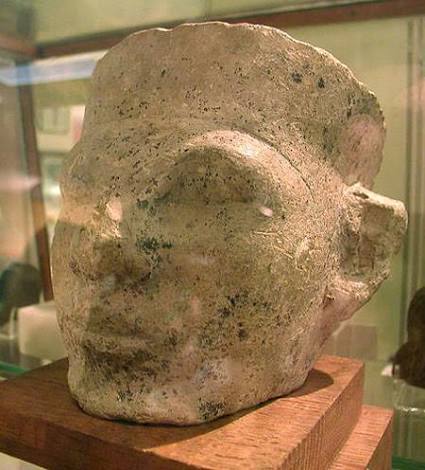
SECOND IMAGE: Narmer (c. 3150–3100 BCE) — the first Pharaoh to unify Upper and Lower Egypt into a single state.
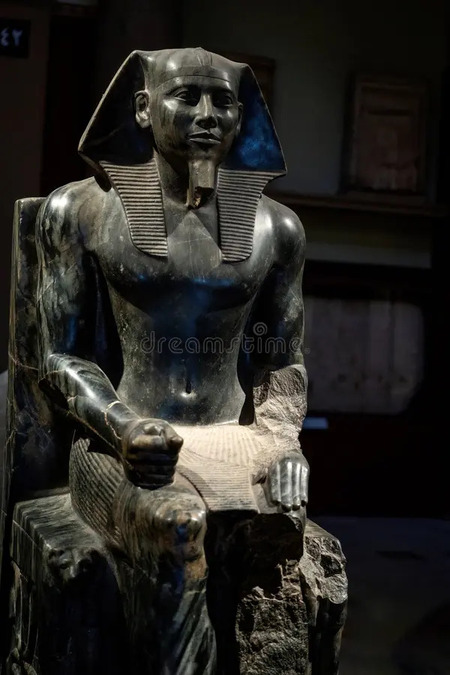
FIRST IMAGE: Khufu / Cheops (c. 2589–2566 BCE) — the builder of the Great Pyramid of Giza, the largest of the Seven Wonders of the Ancient World.
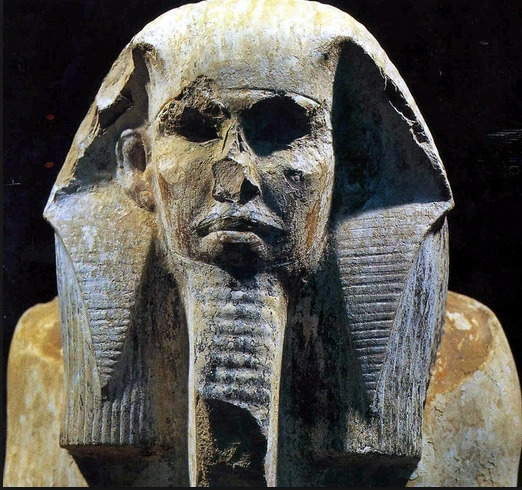
Second image: Djoser (c. 2630–2611 BCE)—the ruler under whom the first step pyramid in Saqqara was built (architect Imhotep)
FIRST IMAGE: Thutmose III (c. 1458–1425 BCE)—a great military commander who expanded the borders of the Egyptian Empire to its greatest extent (dubbed the «Napoleon of Ancient Egypt»)
• Tutankhamun (c. 1332–1323 BCE) — famous for his nearly intact tomb in the Valley of the Kings, filled with treasures. • Ramesses II the Great
FUNERARY MASKS (EGYPT)
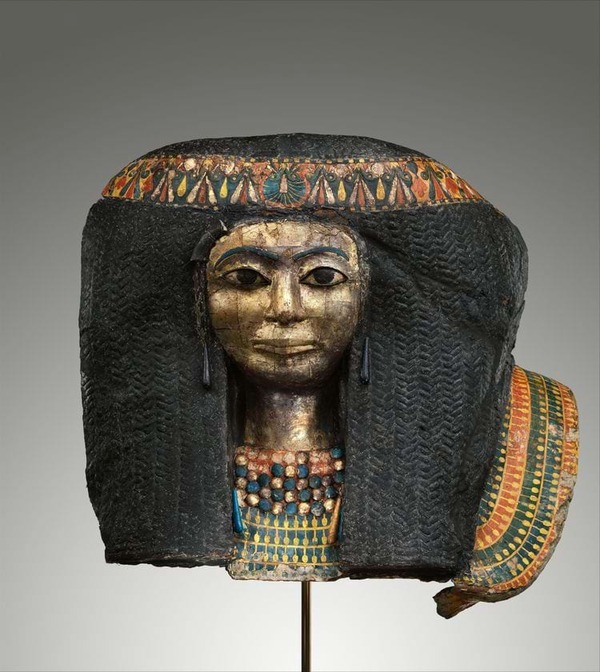
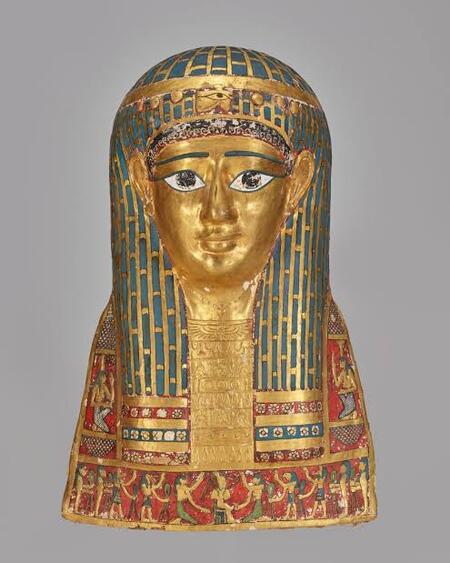
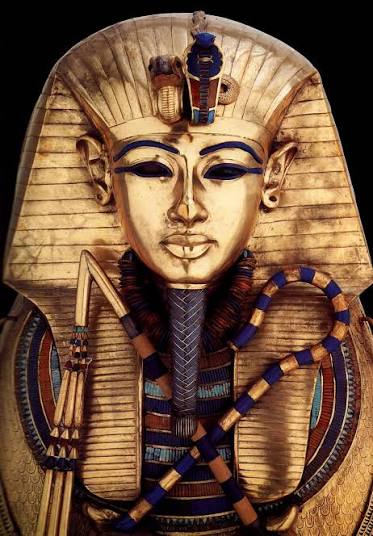
Tutankhamun Mask. c. 1323 BCE and 1334 BCE.
STATUES OF GODS
Anubis (Egyptian Inpu or Anpu) is one of the most famous gods of ancient Egyptian mythology—the patron of the afterlife, mummification, and guide of souls.