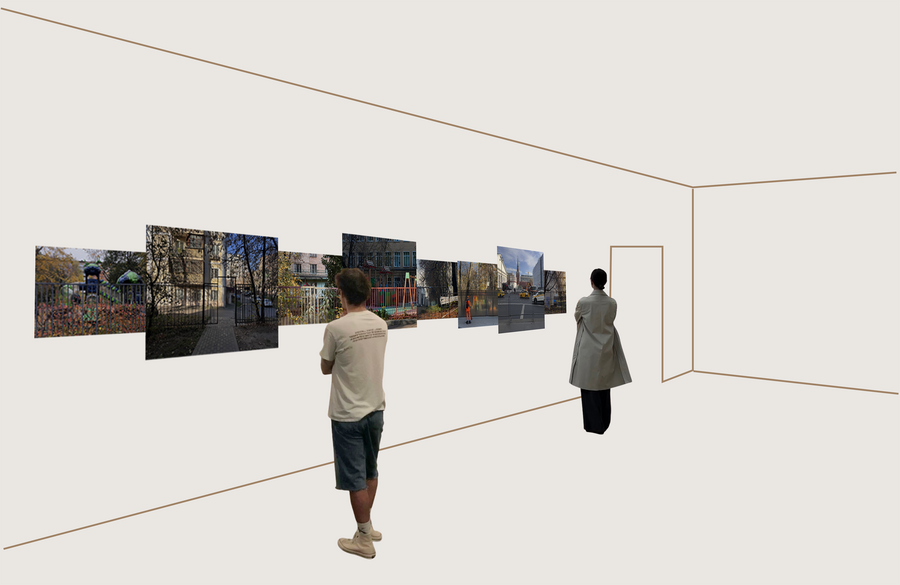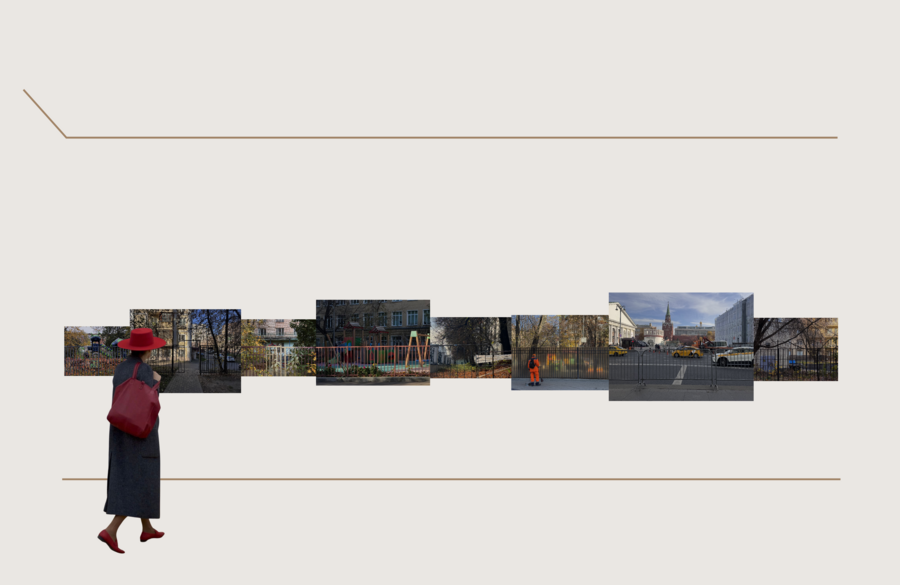
«You Can’t Go There»
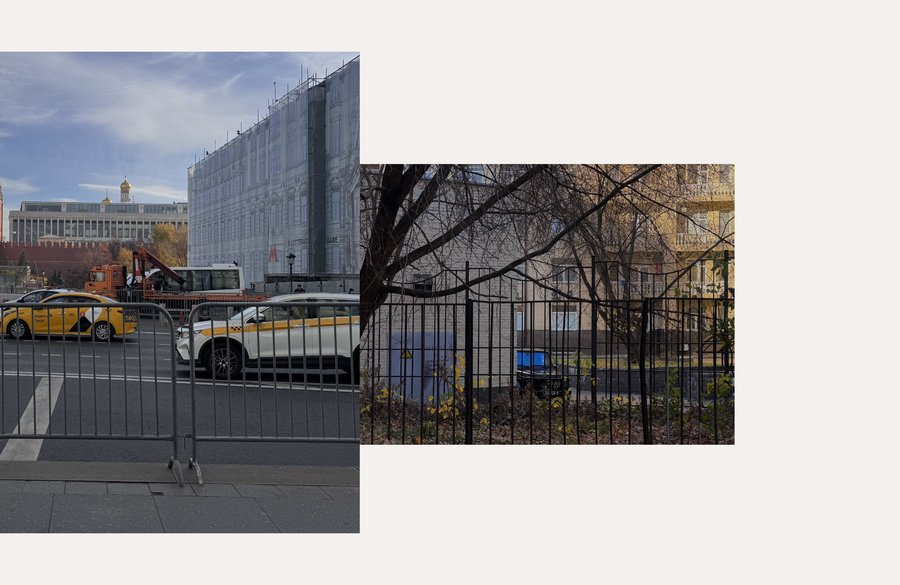
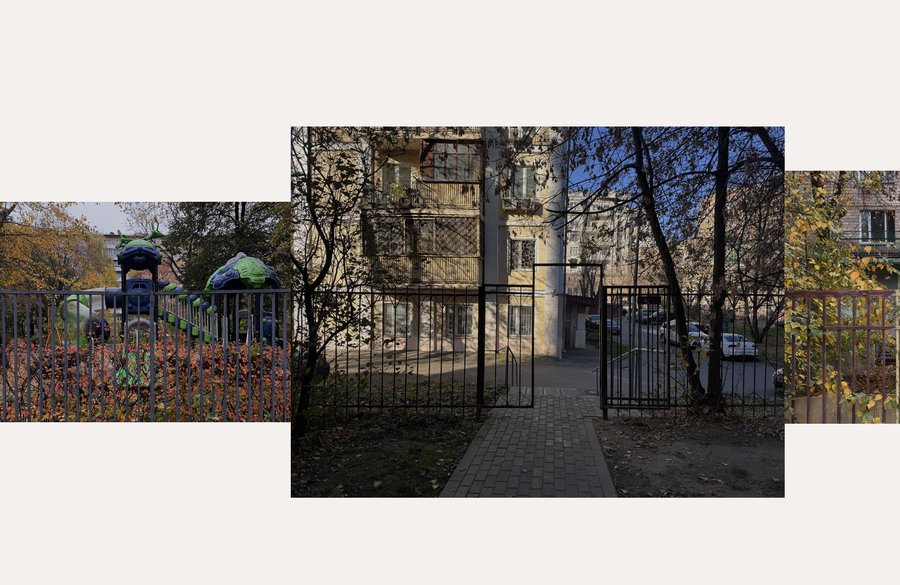
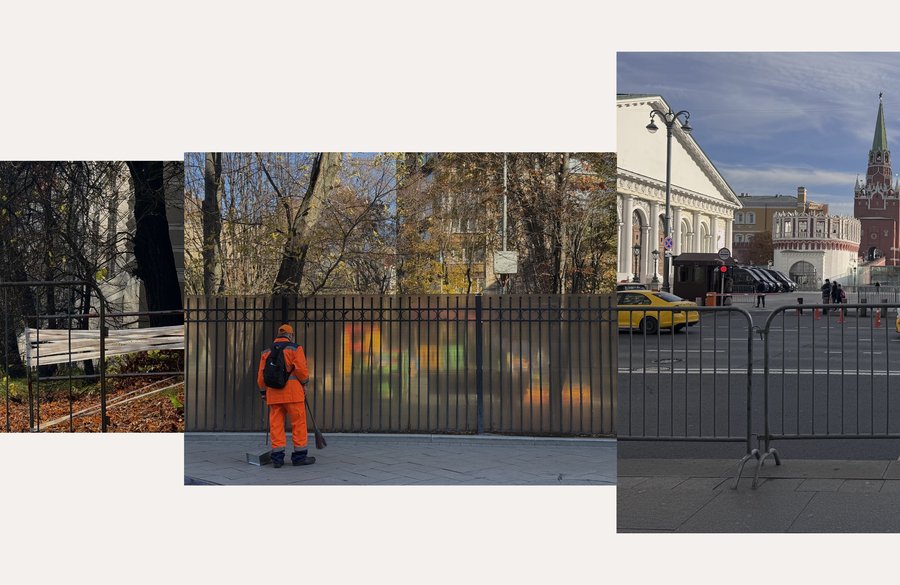
A fence is an architectural element that performs a practical function: to divide and enclose an area, making it private. However, often this boundary turns out to be conventional. How often, while walking through the city with a navigator leading you through an unfamiliar, fenced-off courtyard—even if the gate is open—do you instinctively wonder if you are truly allowed to enter, or if there might be another way?
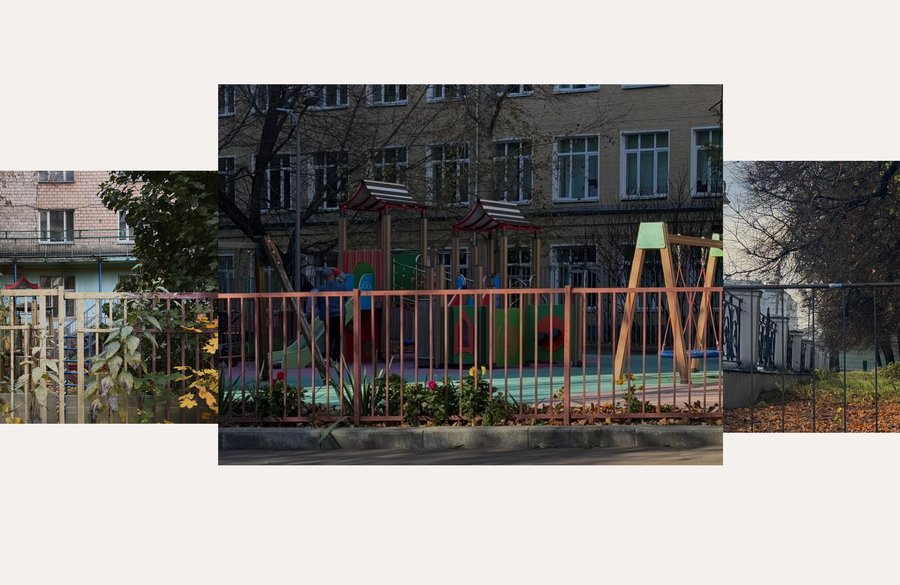
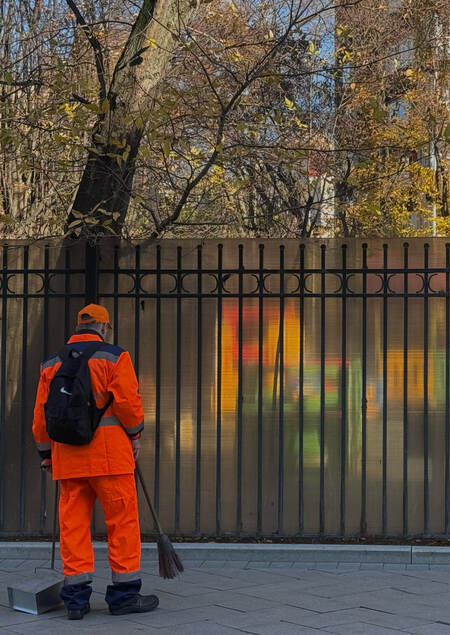
In this series of photographs, I am interested in the fence not as a structure, but as the habit that grows around it. We perform a small, almost automatic ritual: when approaching a barrier, we assess and decide whether to go through or walk around it. Even if there is no gate—just a low picket fence—we still read it as a boundary. In such cases, the fence physically blocks nothing, yet we still sense an invisible frontier.
I pay particular attention to playgrounds, as much of this pattern begins there. A child on a playground does not cross the fence not because they are unable to, but because they are told they cannot go beyond it.
The photo series «You Can’t Go There» explores how architecture can subtly infiltrate our daily routines.